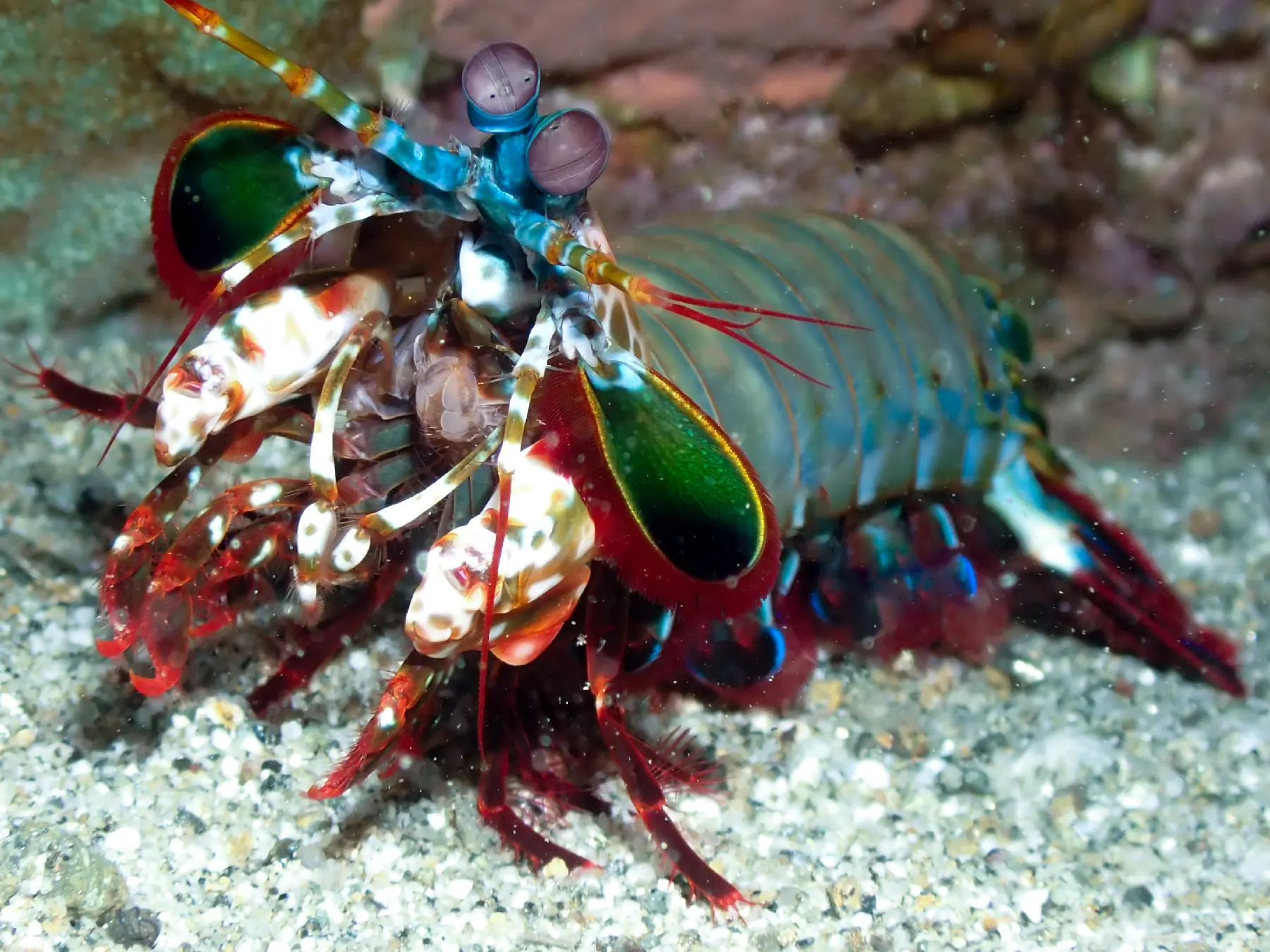
Mantis shrimp
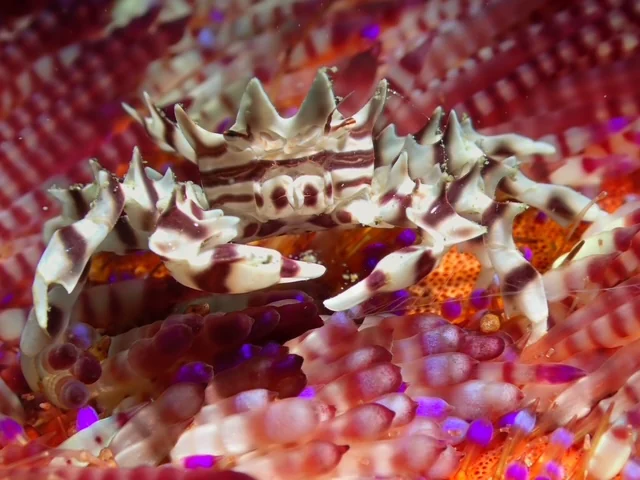
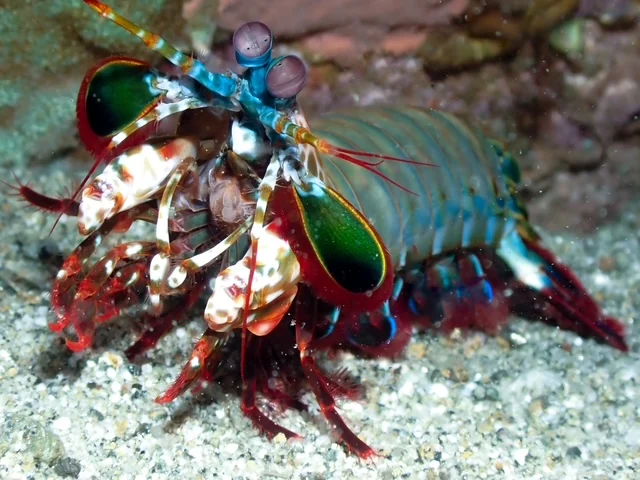
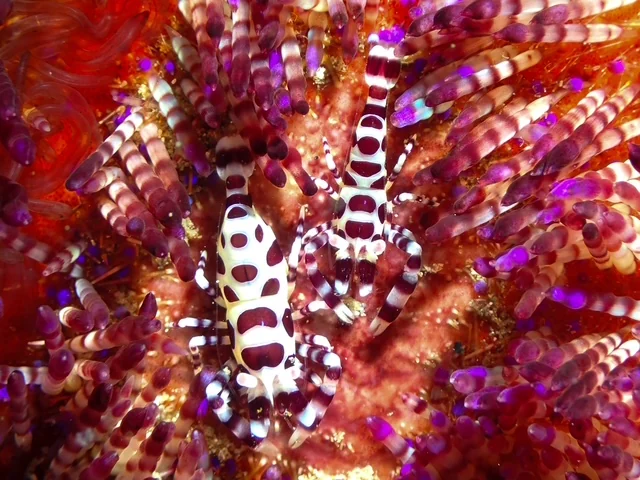
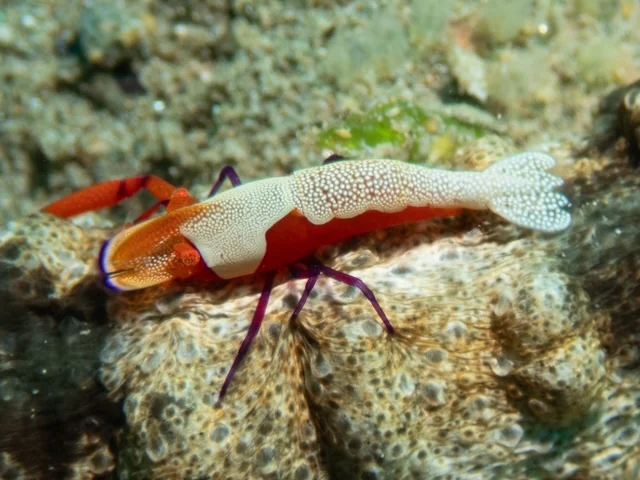
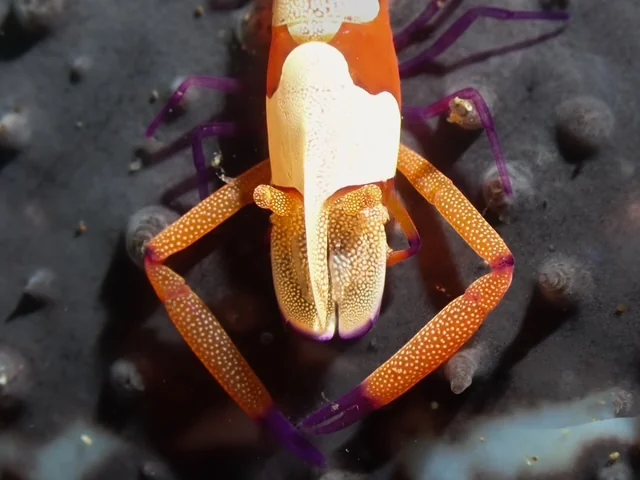
Alert and full of attitude, mantis shrimp are perfect Ambon subjects. They reward careful, patient photography and punish rushed movement.
Destination
The second part of our Raja Ampat trip, shifting the focus from big scenery and manta rays to the strange, detailed and addictive world of underwater macro critters.
Ambon is a destination made for slow, careful diving. For MacroDivers, it is about nudibranchs, frogfish, mantis shrimp and the small subjects that reward patient eyes and good buoyancy.
Part Two of the Journey
Ambon was the second part of our Raja Ampat trip and gave the journey a different rhythm. Raja Ampat delivered scale, reef colour and big encounters. Ambon brought the focus closer, with the kind of macro subjects that suit MacroDivers perfectly.
This page will grow as we add more photographs and dive notes from the trip. The early focus is on the critters that define Ambon for us: nudibranchs, frogfish, mantis shrimp and other small marine life hidden in the sand, rubble and reef.
Destination: Ambon, Indonesia
Travelled: December 2025
Tour Operator:
Dive Worldwide
Trip type: Dive Worldwide Critters and Kings dual
centre trip
Dive resort:
Spice Island Divers
Focus: Critters and macro photography
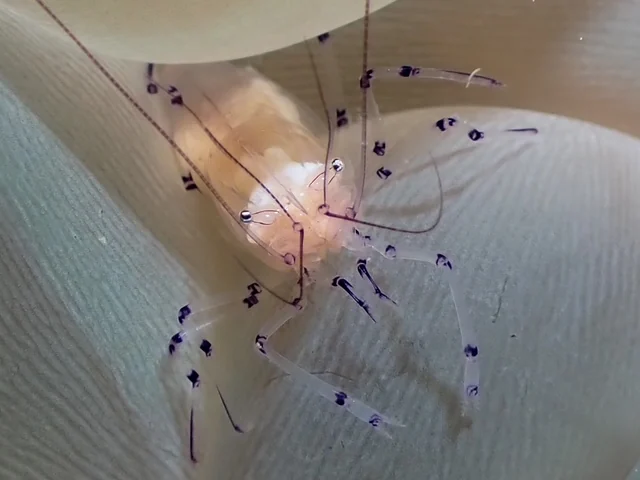
Key subjects: Nudibranchs, frogfish and mantis
shrimp
Style: Slow diving, close-focus photography and
careful observation
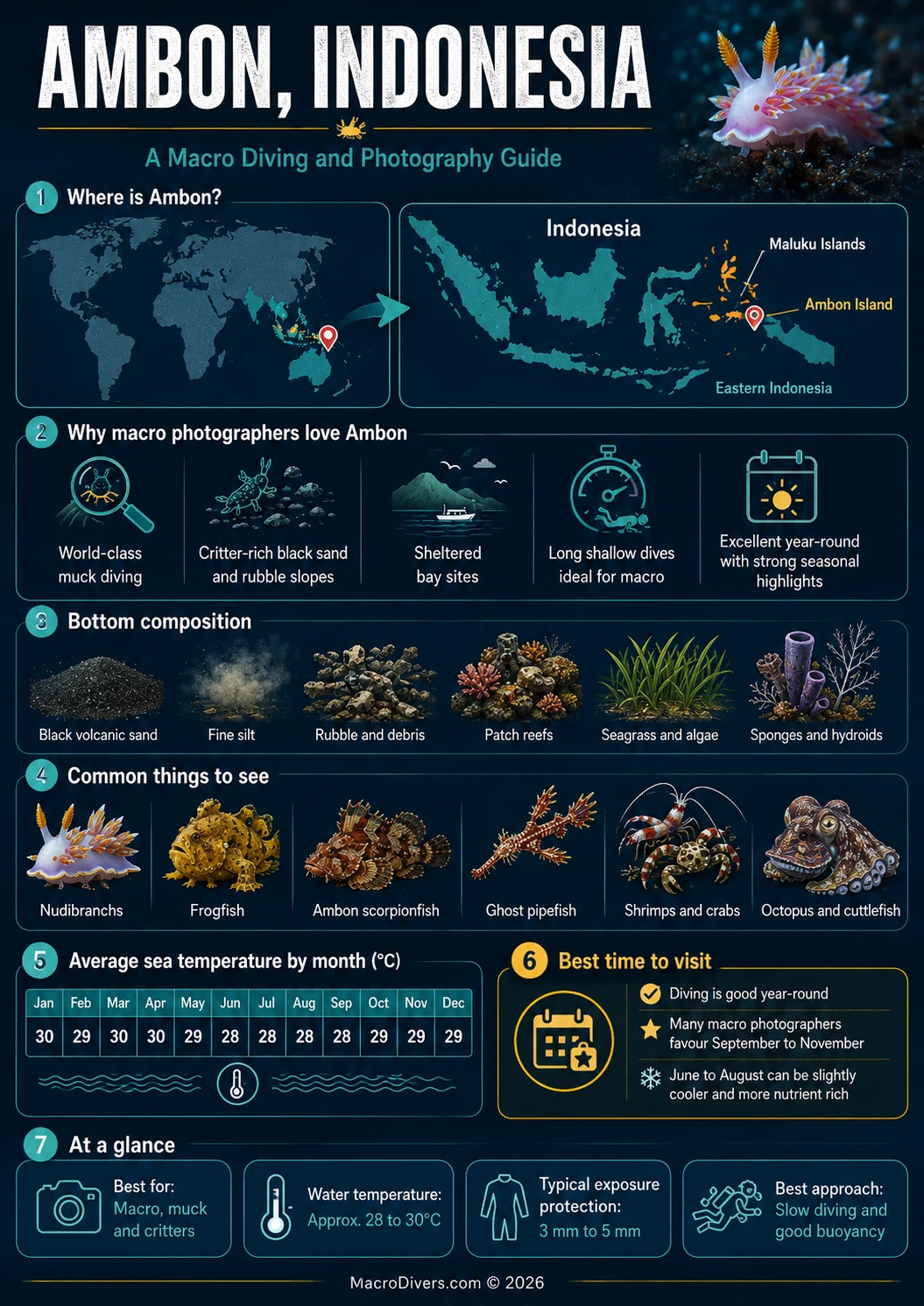
A quick visual guide to where Ambon is, why it is such a strong macro photography destination, what the bottom composition is like, what divers commonly see and when to visit.
Dive base
Ambon was based around a simple macro-diving rhythm: get close to the sites, dive slowly and let the guides help turn rubble, reef and sand into a productive photography day.
Dive resort: Spice Island Divers
Best suited to:
Macro photographers, nudibranch hunters and patient critter
spotters
Ambon Critters
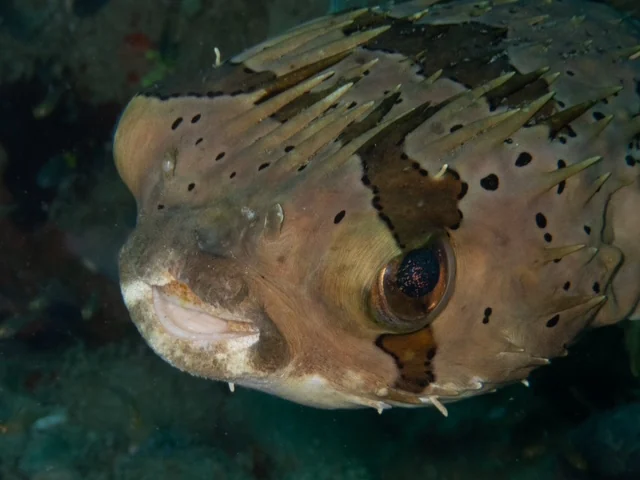
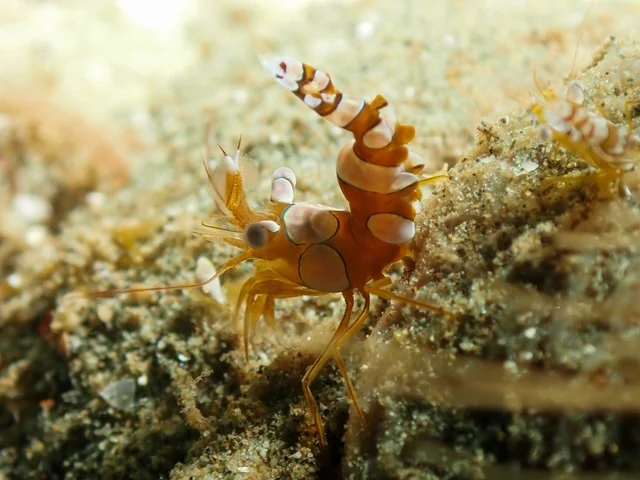
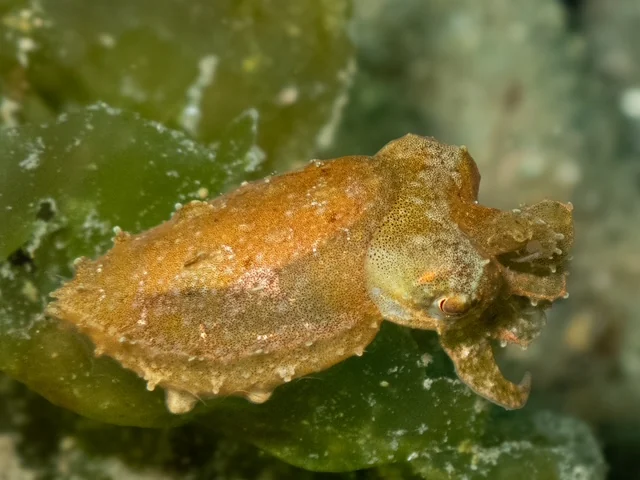
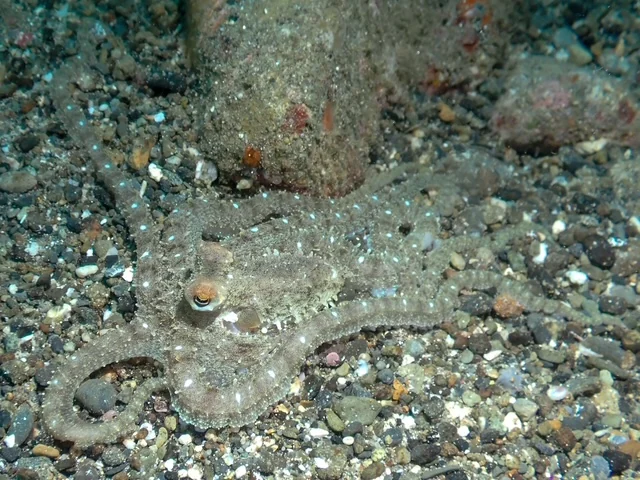
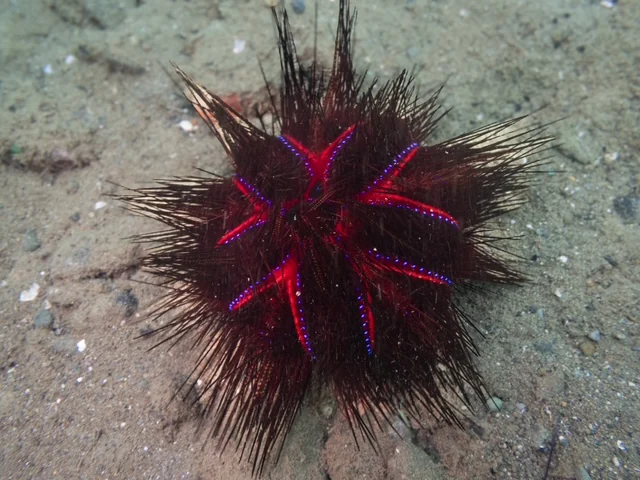
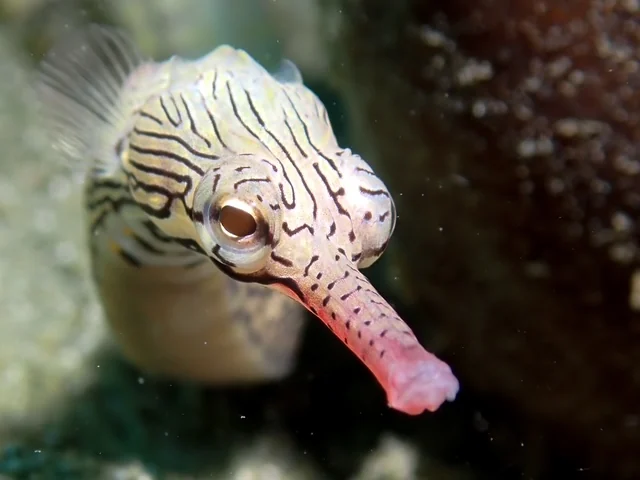
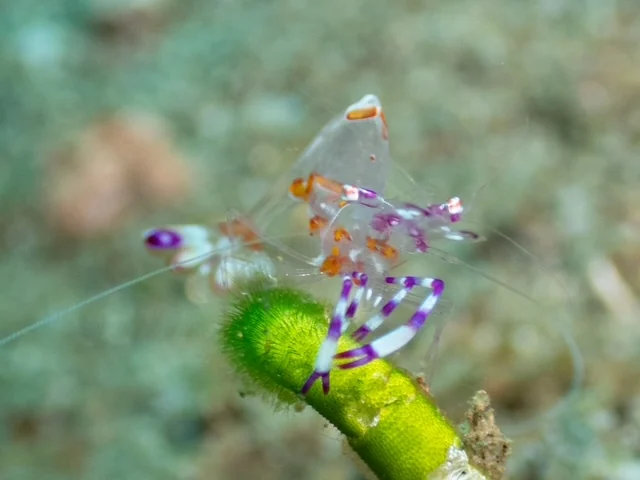
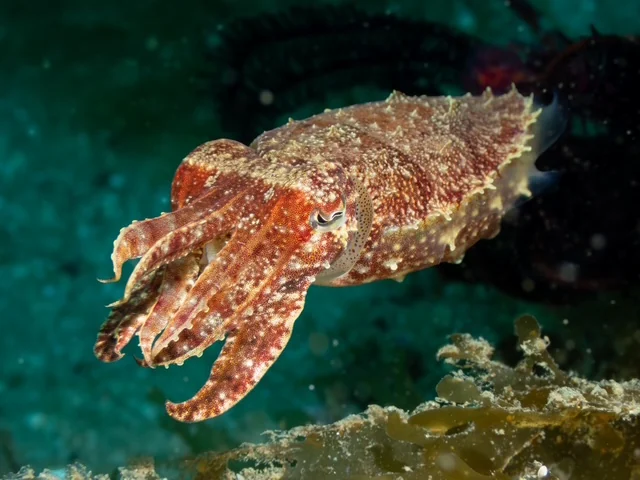
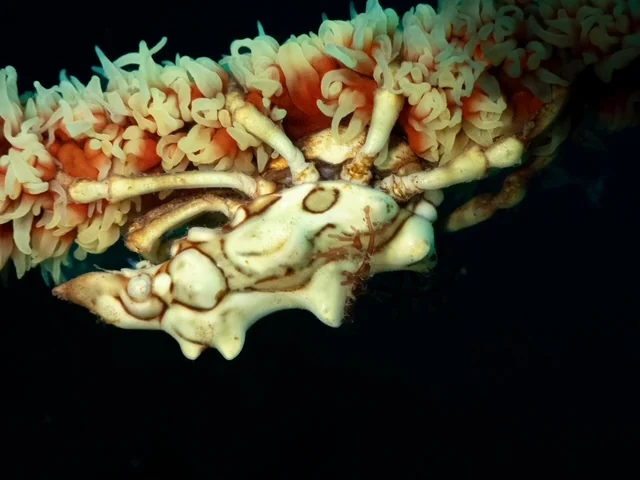
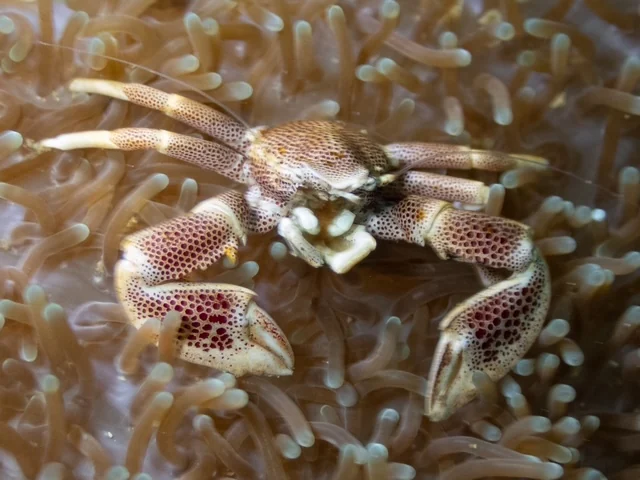
Ambon is exactly the kind of place where looking slowly matters. The subjects are often small, camouflaged or tucked into the reef, but when you find them, they have real character.
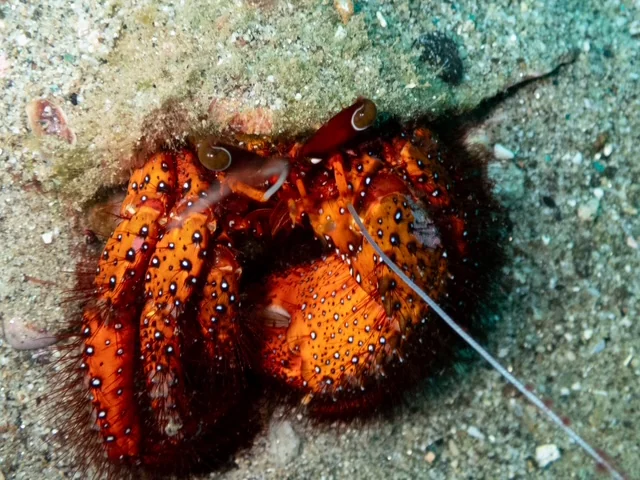
Alert and full of attitude, mantis shrimp are perfect Ambon subjects. They reward careful, patient photography and punish rushed movement.
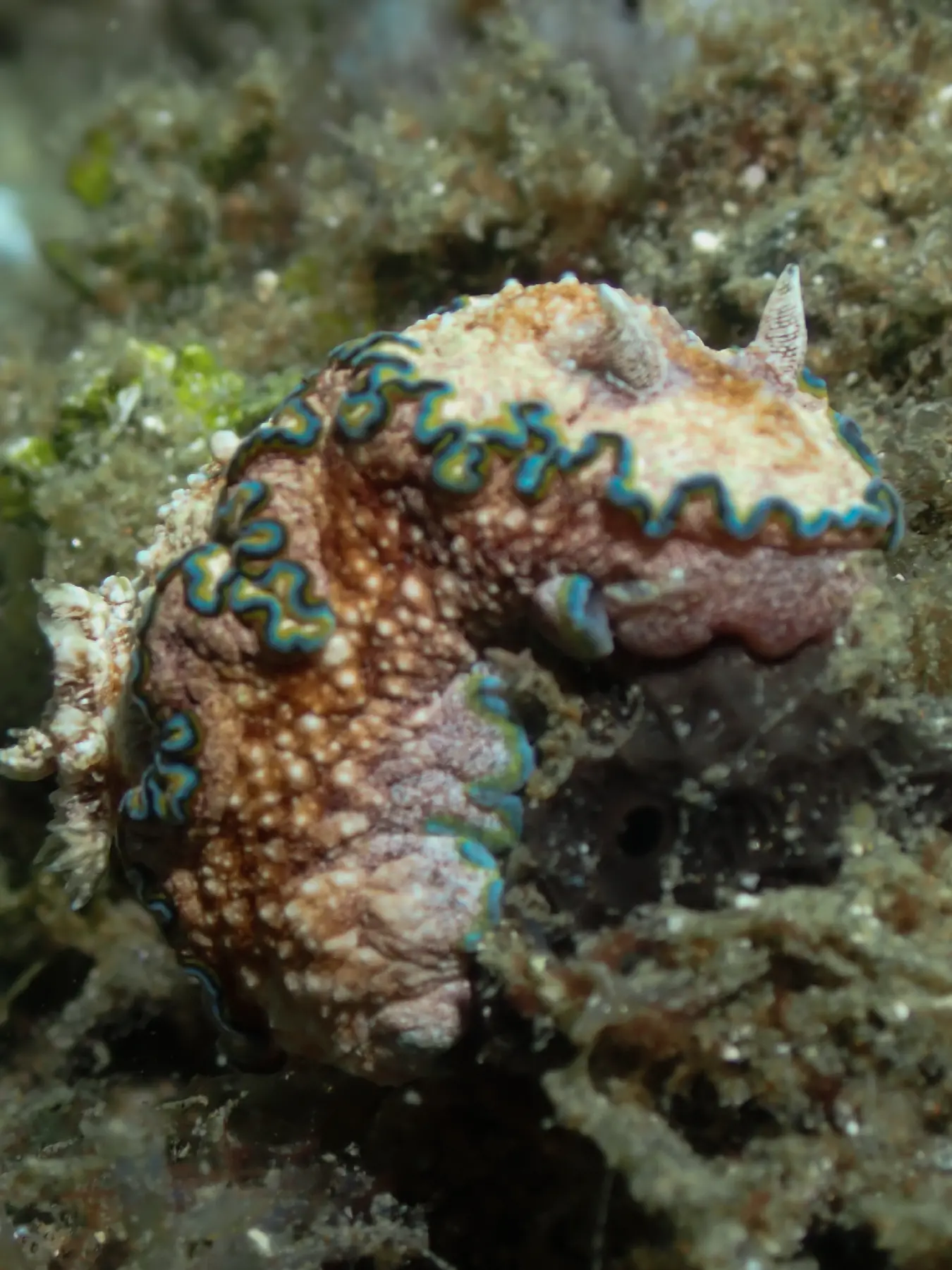
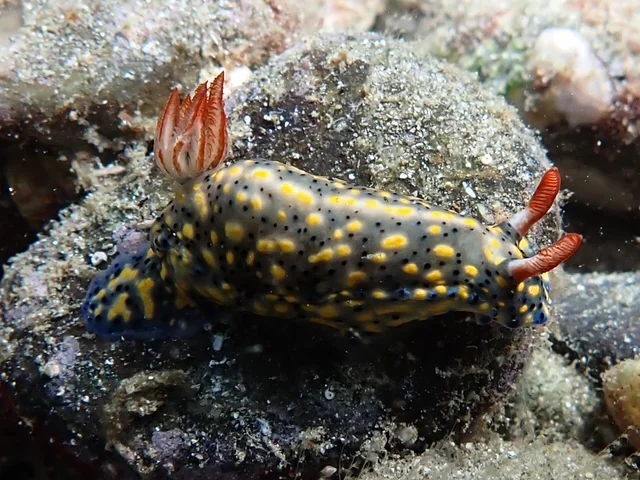
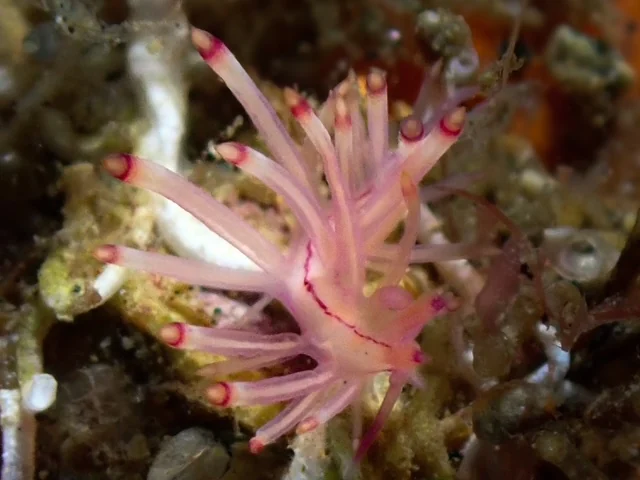
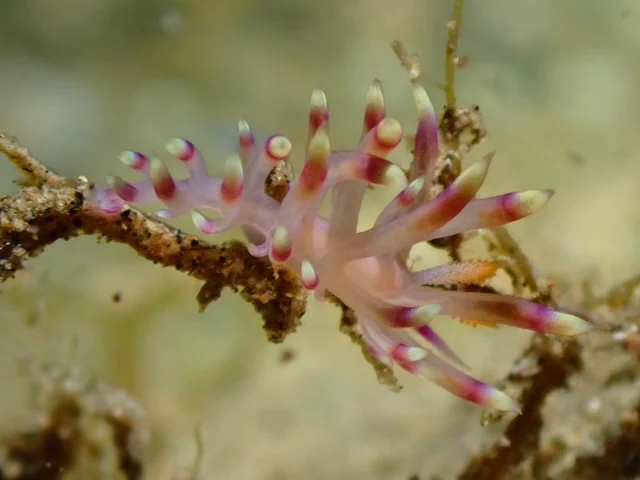
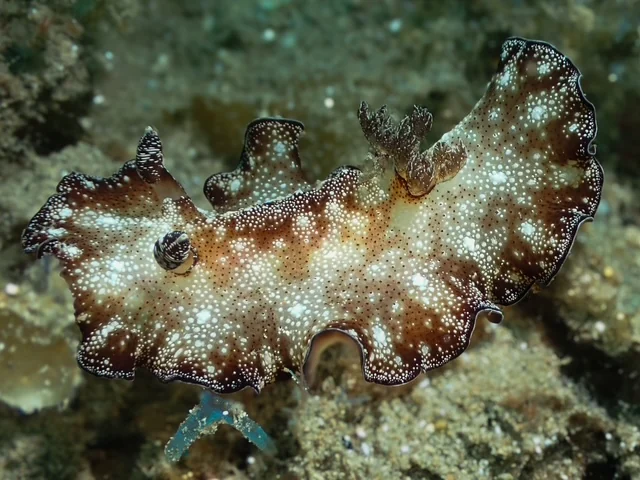
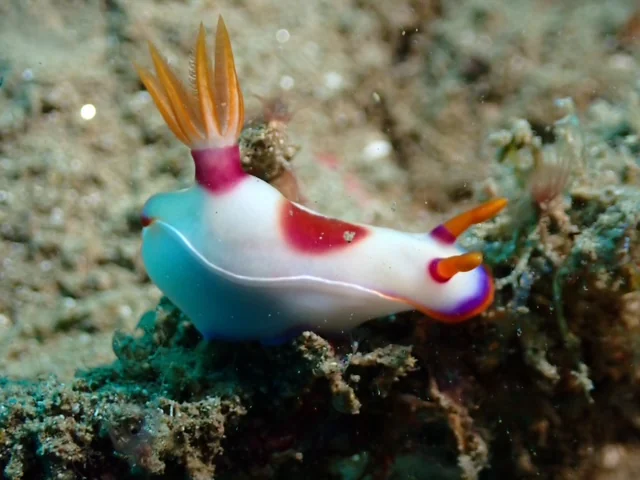
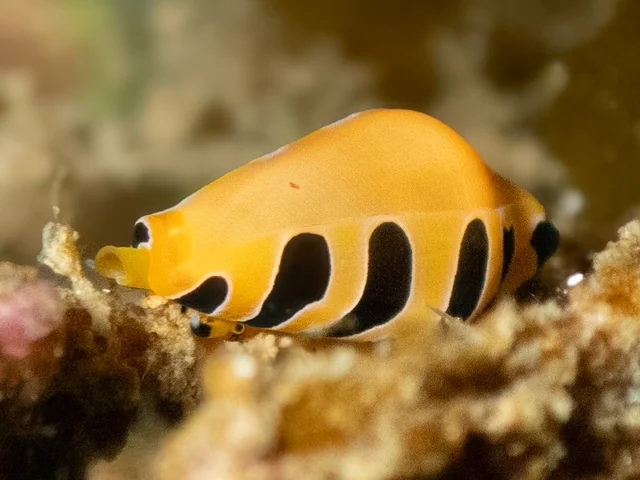
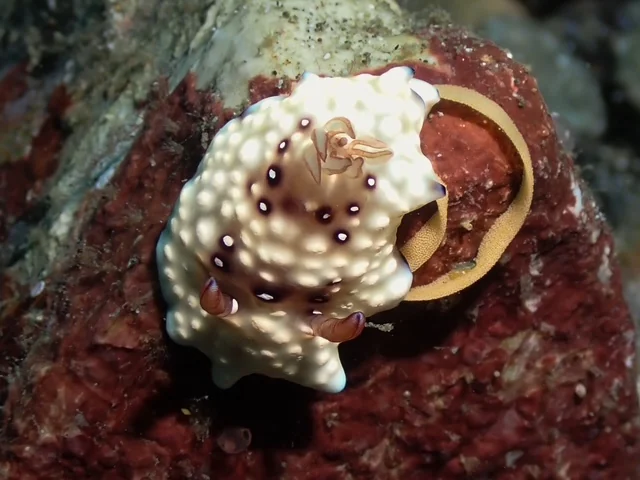
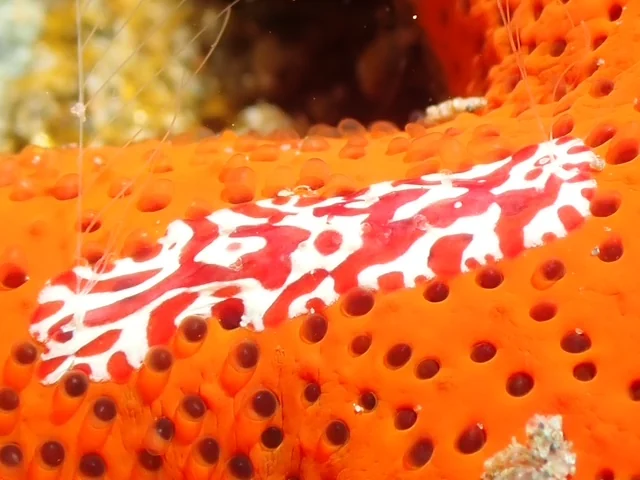
Ambon gives us the kind of nudibranch encounters that sit at the heart of MacroDivers: small, easy to miss and often much stranger than the first glance suggests.
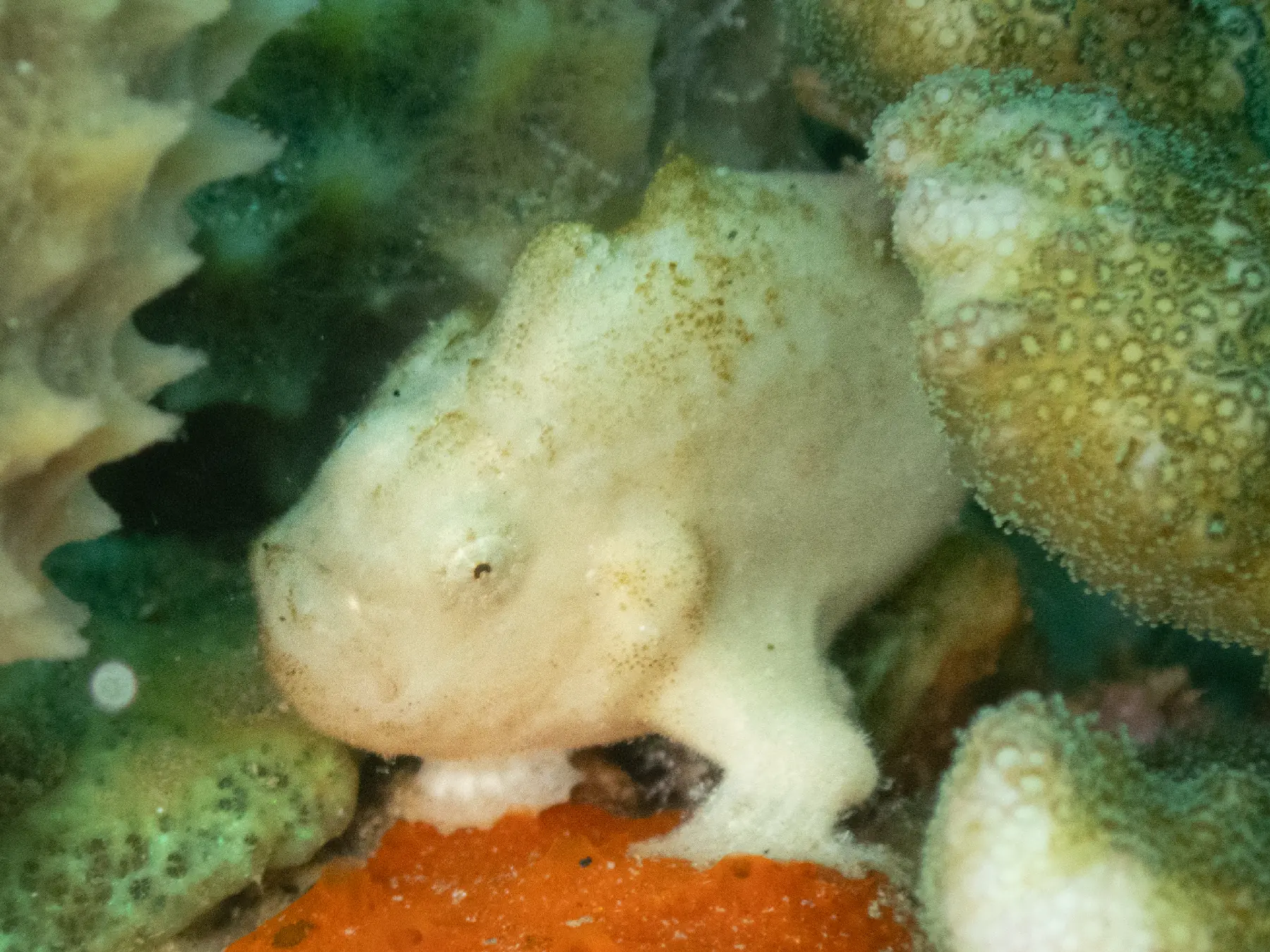
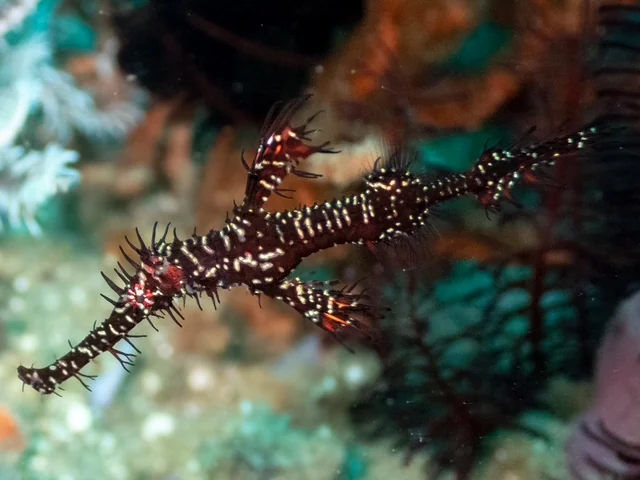
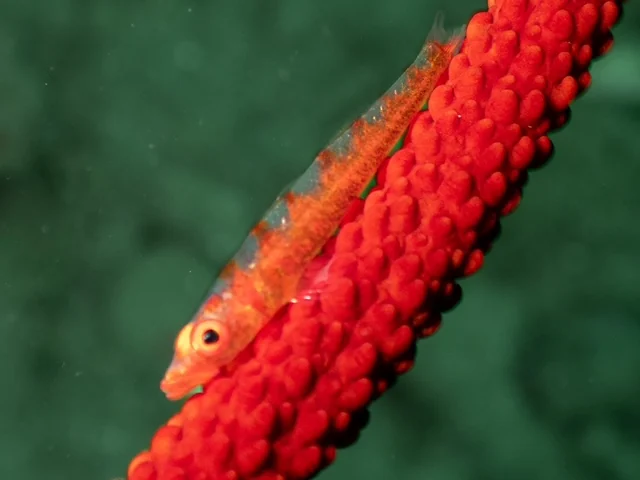
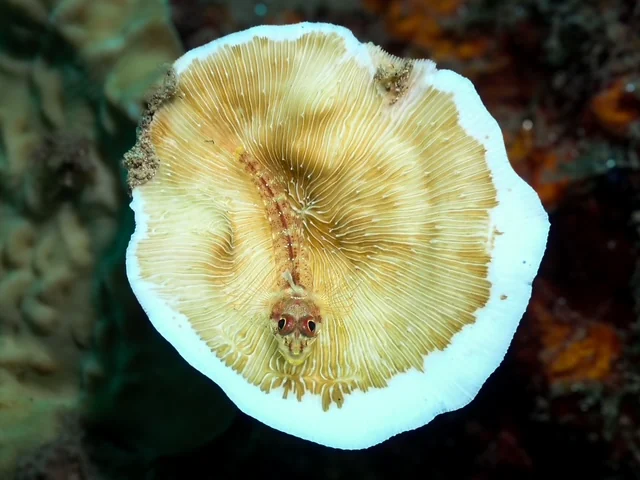
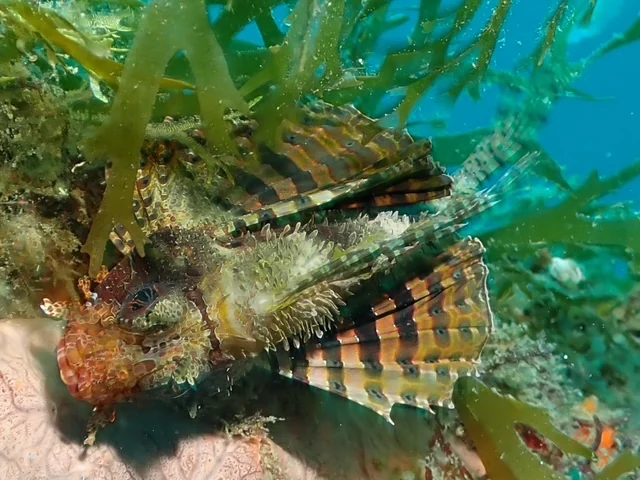
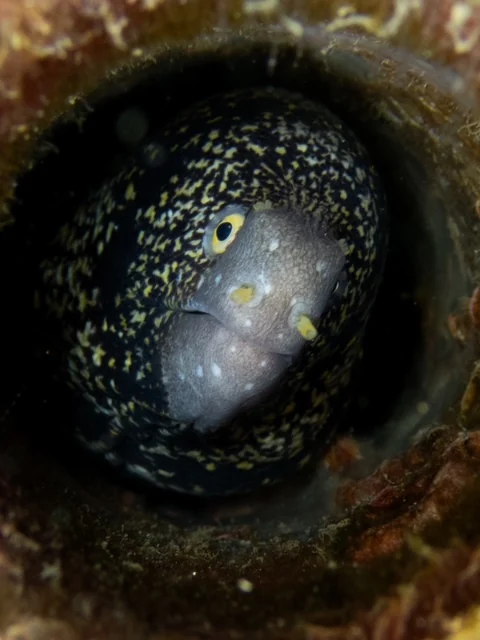
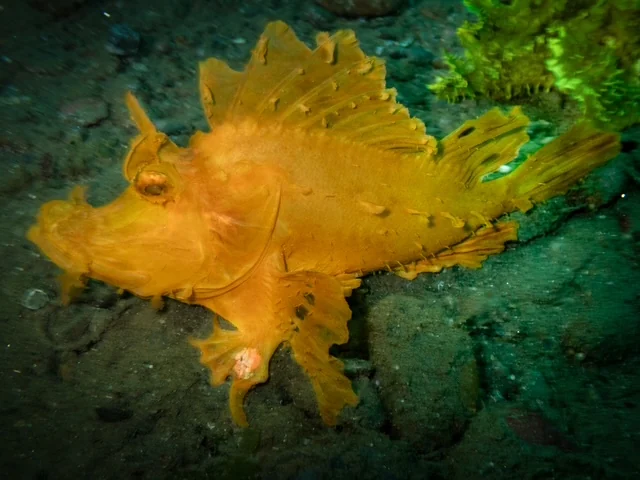
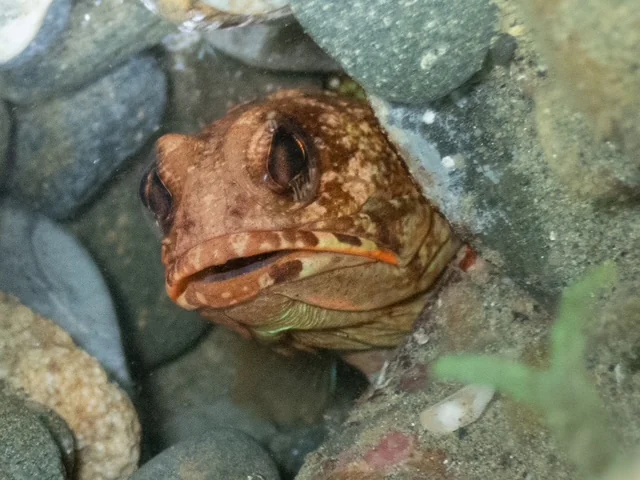
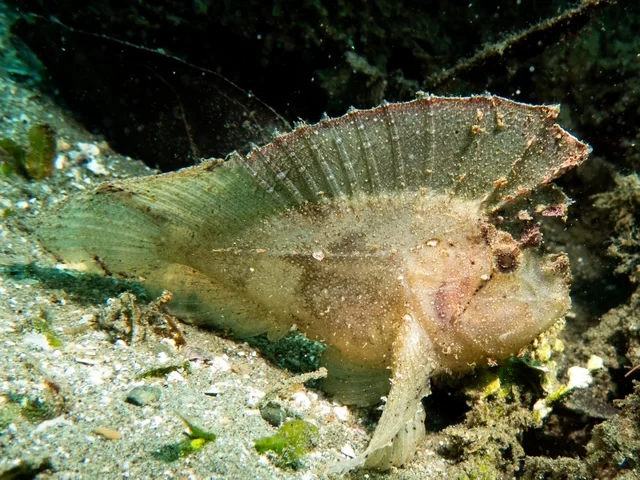
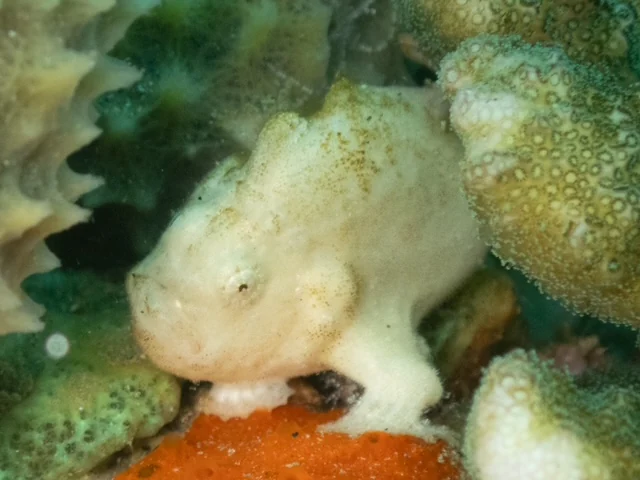
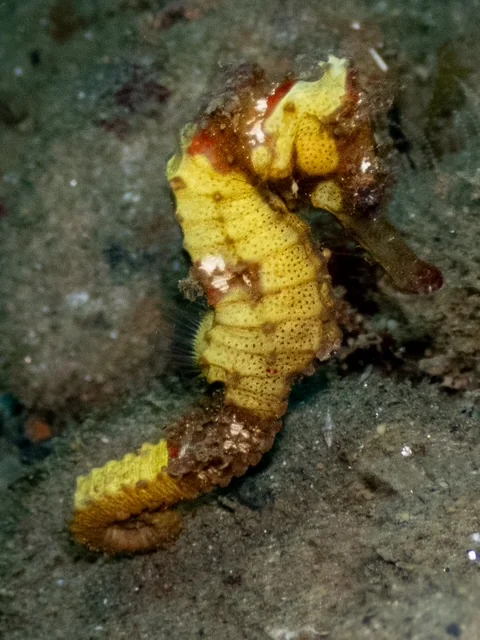
Frogfish are classic macro subjects: strange, expressive and easy to miss unless you slow down and really study the reef.
Macro focus
Ambon worked best as a contrast to the bigger reef scenery of Raja Ampat. It gave the trip a slower, more concentrated macro chapter.
For MacroDivers, that makes Ambon useful because it shows how one trip can move from wide-angle spectacle to careful critter hunting, with nudibranchs, frogfish and mantis shrimp rewarding patient eyes.
Personal review
A personal account of our stay, diving, and overall experience.
We stayed at Spice Island Resort on Ambon in December 2025 as the second part of our Dive Worldwide “Critters and Kings” trip, following the first part in Raja Ampat.
Leaving Raja Ampat around lunchtime, we caught the ferry back to Sorong and stayed overnight at a very nice airport hotel. After the transfer day, it was good to relax with cocktails and dinner on the outdoor rooftop bar before flying on to Ambon the next day.
When we arrived at Ambon airport, everything was easy. We were met on arrival and had a smooth transfer of around 20 minutes to the resort, which was a lovely, stress-free start after the previous day’s travel. Check-in was straightforward, and we were soon shown to our bungalow.
The bungalow was great — spacious, comfortable, and very well set up for divers. The large king-size four-poster bed with mosquito net gave the room a real tropical feel, and we especially liked having a camera table in the room. For underwater photographers, that makes a big difference. There was also a large dedicated camera room near the dive centre, so there was plenty of space for charging, preparing, and looking after camera gear properly.
The resort was very quiet during our stay, with only a couple of other guests there. In some ways that made it peaceful and relaxed, but it did also mean the resort lacked a little atmosphere at times. A few more guests would probably have made the evenings feel more sociable.
Both the hotel staff and dive team were friendly and helpful throughout our stay. The resort had a very relaxed, informal feel, which we liked. Some evenings, if there was no one immediately around to serve at the bar, we simply helped ourselves and told them at dinner what we had taken. They were completely fine with this, and it summed up the easy-going, trusting atmosphere of the place.
Meals were freshly cooked and served from a fixed menu. The food was very good, although as vegetarians we did find the meals became quite similar from day to day. That is not really a criticism of the quality — more a reflection that vegetarian options can sometimes be more limited in remote dive resorts. Everything was tasty and freshly prepared, but a little more variety would have made it even better for us.
The dive centre was well set out and easy to use. We were allocated our own storage space, which made the daily routine simple, and the camera facilities were a real plus. Air and Nitrox were available on site, with fills consistently around 200 bar, and the Nitrox mix was always accurate. That kind of reliability makes a difference, especially when you are diving repeatedly over several days.
The main small frustration with the camera setup was the compressor in the camera room. It seemed to be switched off most of the time, and it could take a while to find a member of staff to turn it on. For photographers trying to clean and dry housings between dives, that became a bit inconvenient. It was not a major issue, but it was one of those small niggles that could easily be improved.
The dive guides were good at finding macro critters, and we always felt safe in the water. They clearly knew where to look and helped us find plenty of small marine life.
The diving itself was good, and we saw plenty of different nudibranchs and other macro subjects. Ambon certainly has the potential to deliver some very rewarding macro dives, especially if you enjoy slow, careful searching over silty sites. However, the amount of rubbish in the water was disappointing. There was garbage on many of the dives, including rubbish on the bottom, but the most noticeable problem was plastic waste floating on the surface. On our first dive, our guide even ended up with a syringe hanging from the back of his wetsuit, which was not a great introduction and did take the shine off the experience a little. It was a shame, because the macro life was definitely there, but the condition of some of the dive sites made the overall experience feel less special than it could have been.
The one area that genuinely concerned us was the emergency response. After returning from a night dive one evening, we noticed another diver looking unwell. After discussing her symptoms, I felt she should be placed on oxygen and that DAN should be contacted for additional advice. Oxygen was available, but the response was much slower than I would have expected, and the dive centre needed assistance setting up the oxygen equipment. As someone with diving and emergency response experience, I was able to help, but it did leave me concerned about how long the process might have taken without that support. DAN was eventually contacted, and the diver received medical care locally. Fortunately, after around a week of care, she was well enough to fly home, although she missed the next part of her planned trip.
Coming after Raja Ampat, Ambon was always going to have a lot to live up to. Raja Ampat had delivered the “kings” side of the trip, while Ambon was more about the smaller critters and macro hunting. Ambon did deliver good macro encounters, particularly for nudibranchs, but overall the diving environment did not feel quite as clean or as impressive as we had hoped.
Overall, we had a mixed but still worthwhile stay. Spice Island Resort was comfortable, the transfer was easy, and the staff and dive team were friendly and helpful. The resort had a relaxed, informal charm, the dive centre was well organised day to day, the camera facilities were good, and the guides were skilled at finding macro life.
For macro divers, Ambon can certainly deliver interesting subjects, especially nudibranchs and other small critters. For us, though, it was the quieter and more mixed part of the “Critters and Kings” trip. The good macro life and friendly resort atmosphere were real positives, but the rubbish at some sites and the slow emergency response were genuine concerns that affected how we felt about the overall experience.
Yes. Ambon is well suited to divers who enjoy slow, careful macro diving and looking for small subjects rather than rushing across a reef.
Ambon can be very rewarding for nudibranch lovers, especially for photographers who enjoy taking time to search carefully and work slowly with small subjects.
Ambon is best known among macro divers for muck-style diving, critters and small subjects, with the wider biodiversity expected from this part of Indonesia.
Not really. Raja Ampat is better known for broad reef biodiversity and dramatic reef scenes, while Ambon has a stronger muck and critter-diving feel.
Ambon is best suited to patient divers, macro photographers and nudibranch hunters who are happy to spend time looking closely rather than covering a lot of distance underwater.