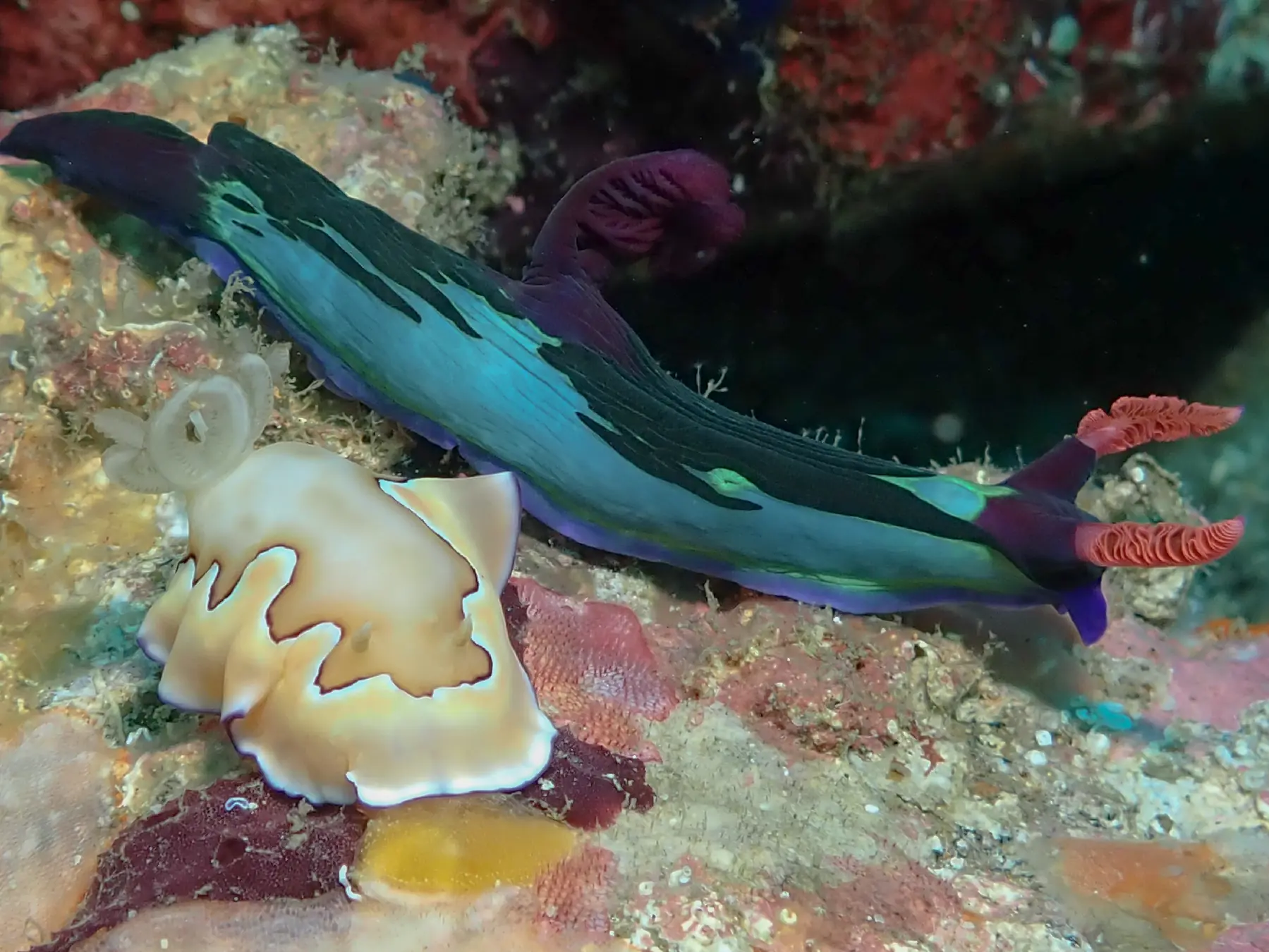
Nudibranchs
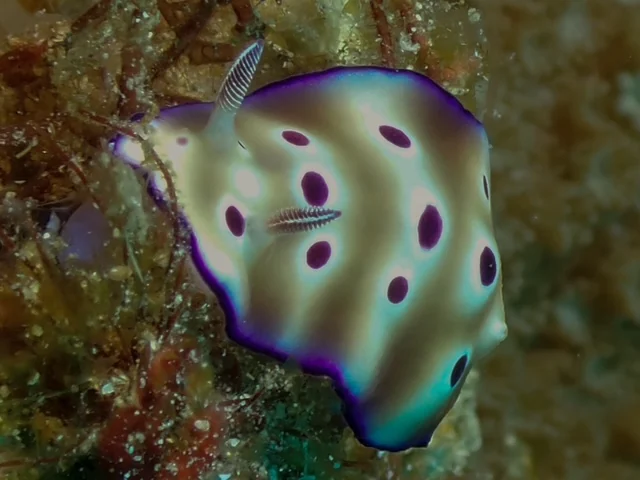
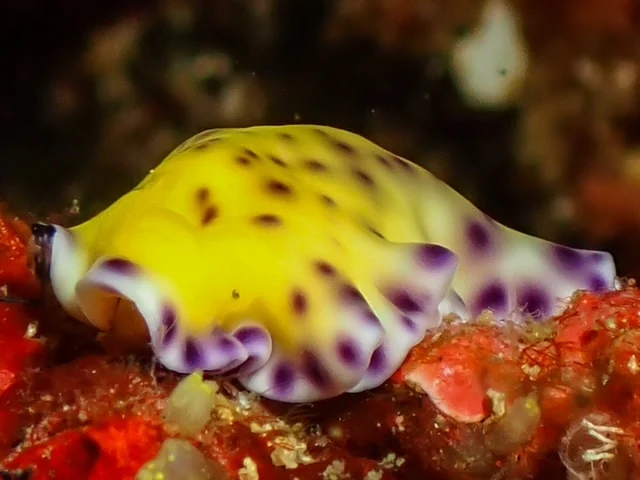
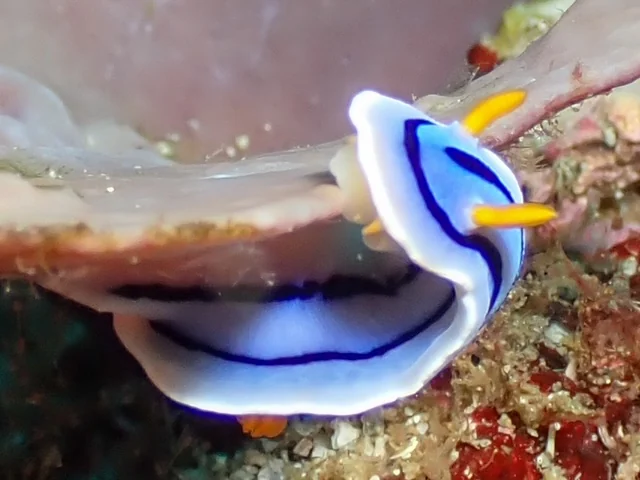
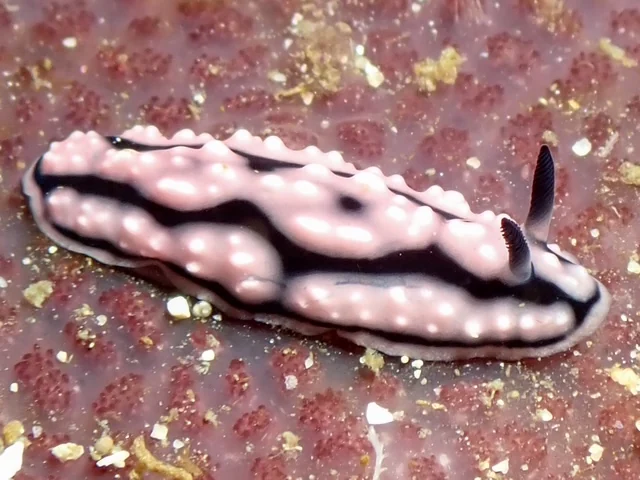
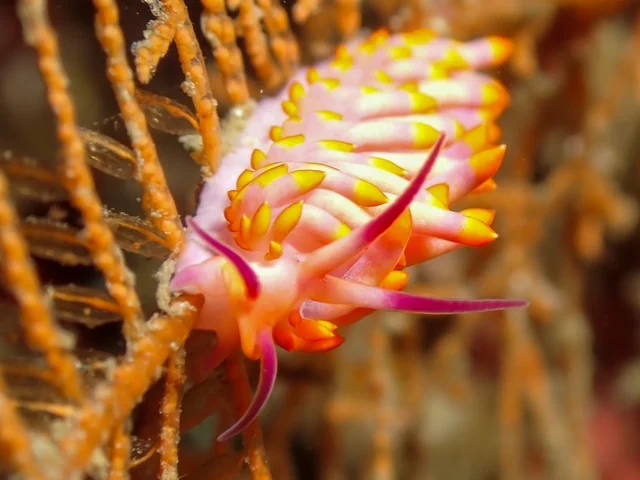
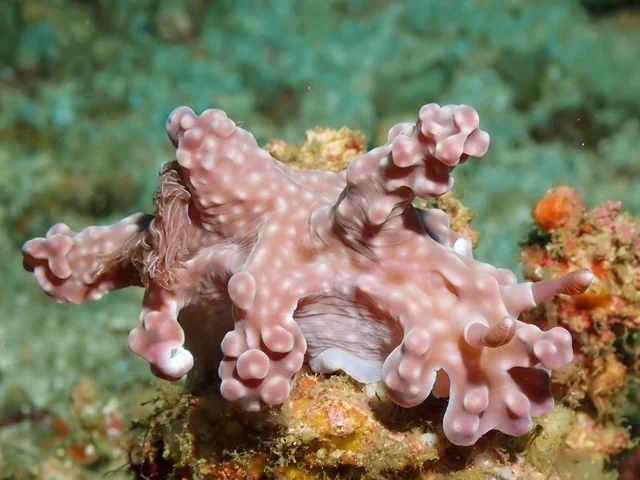
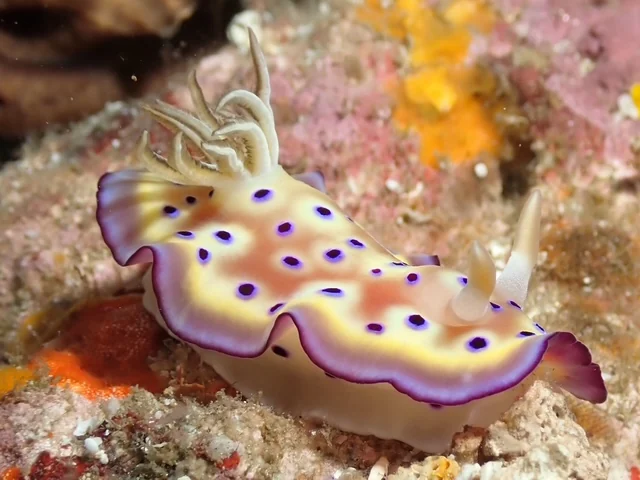
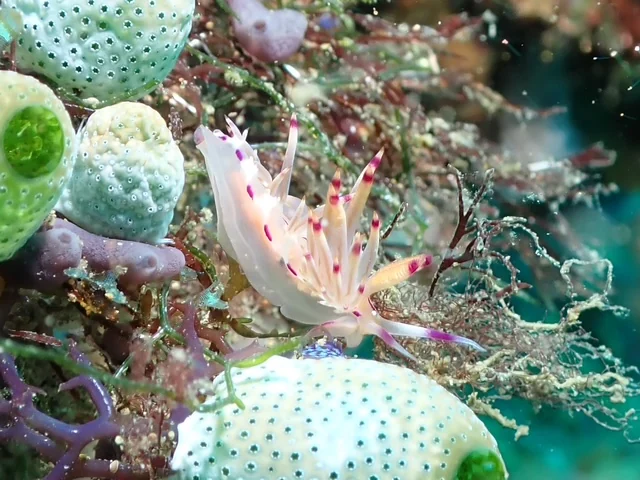
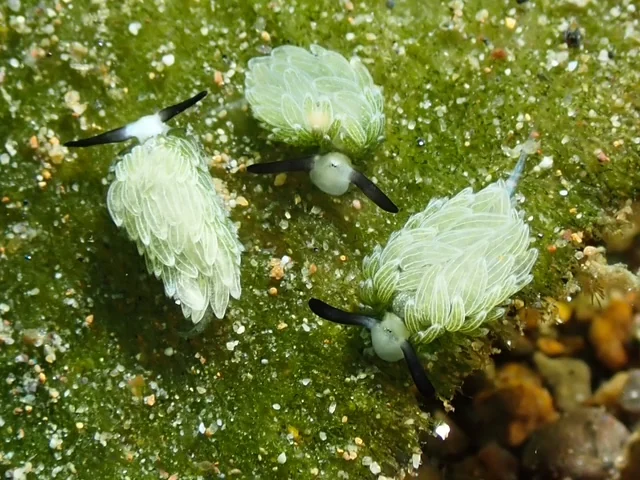
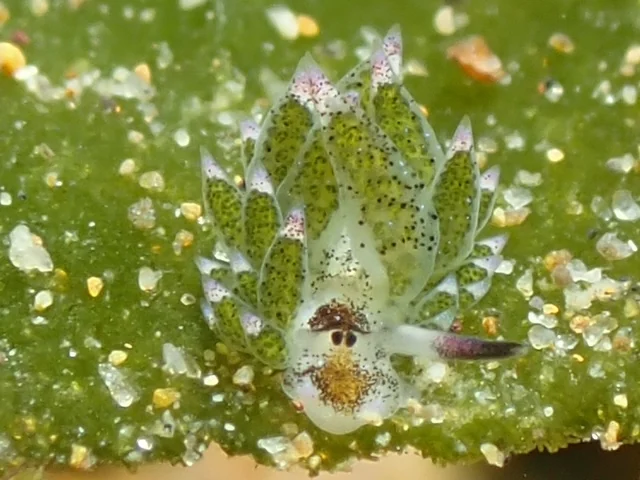
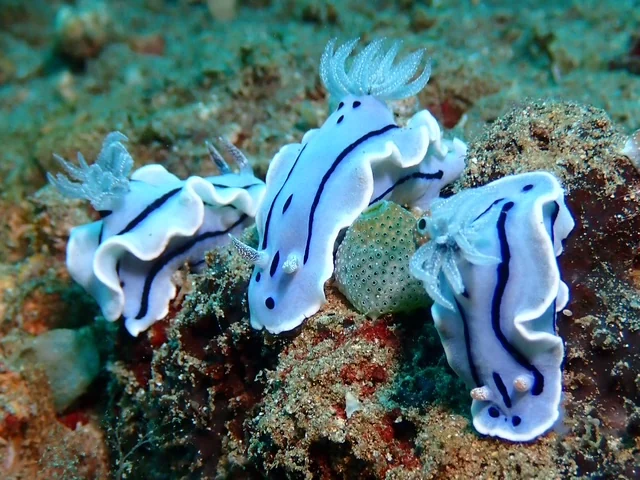
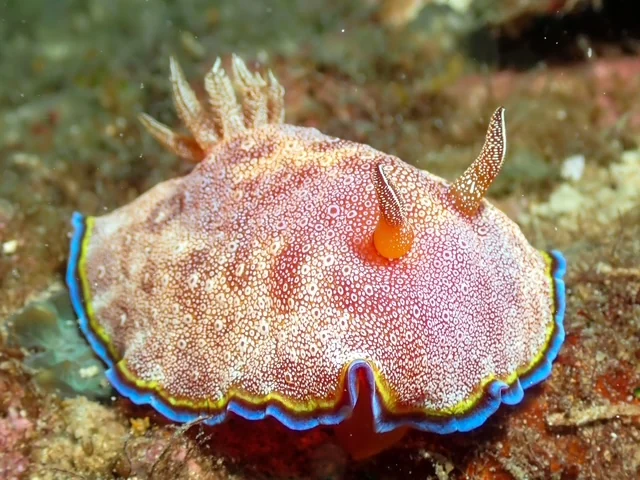
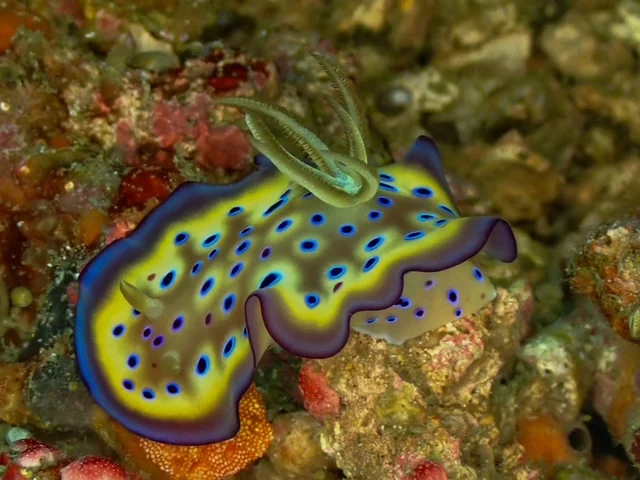
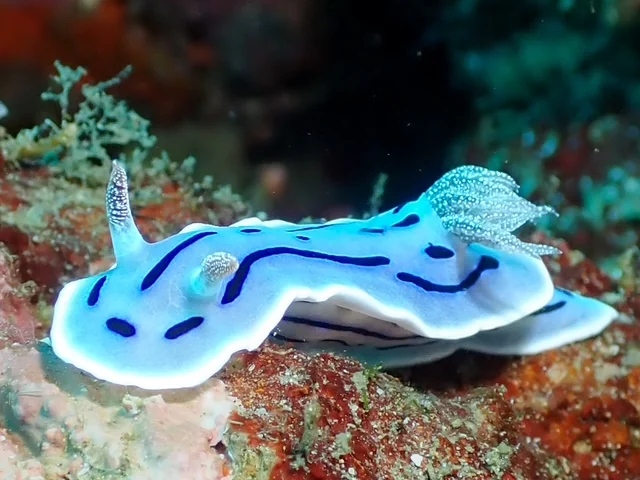
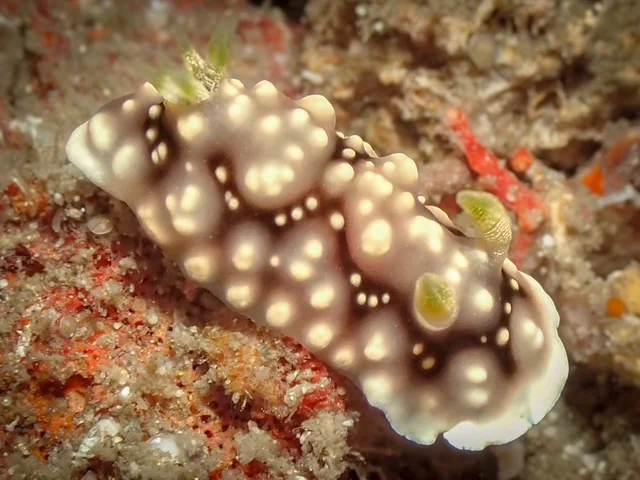
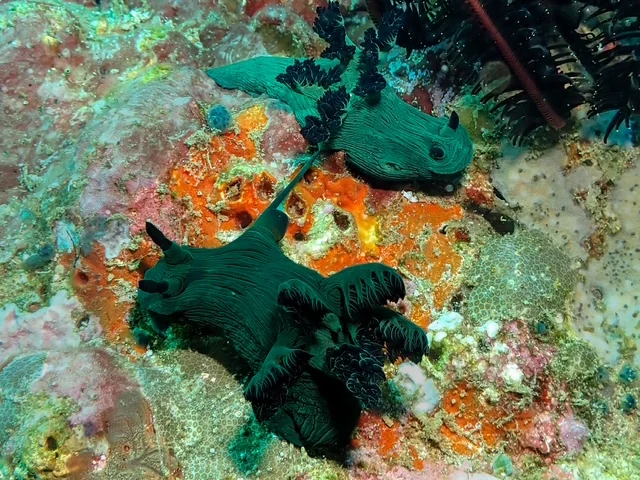
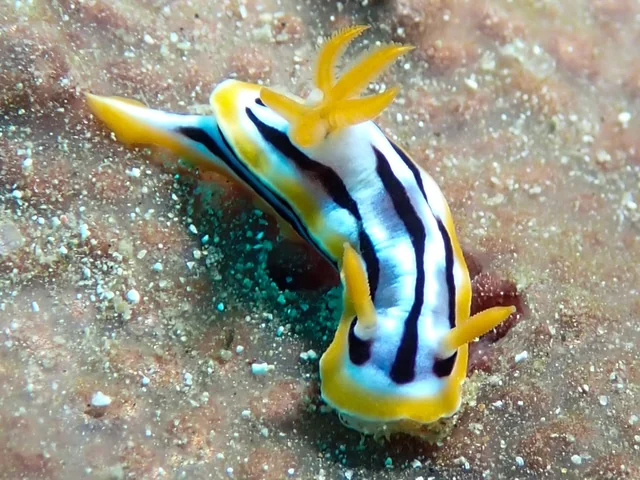
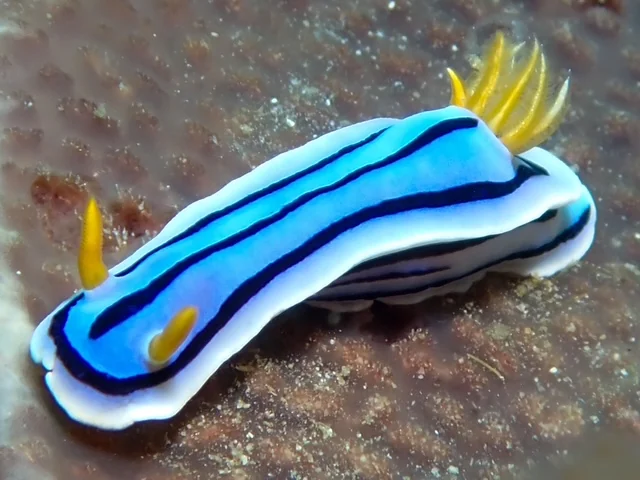
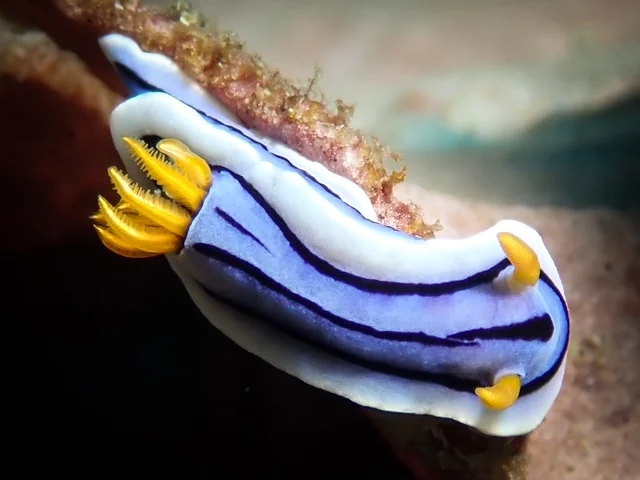
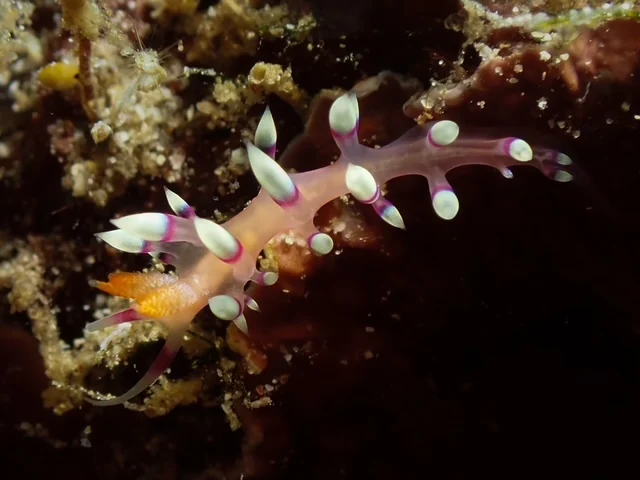
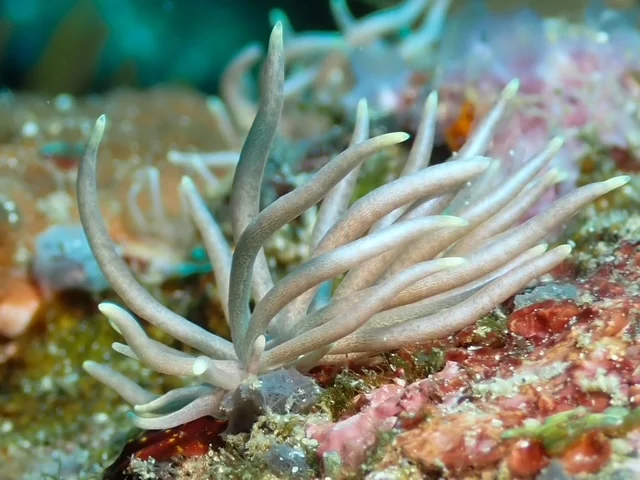
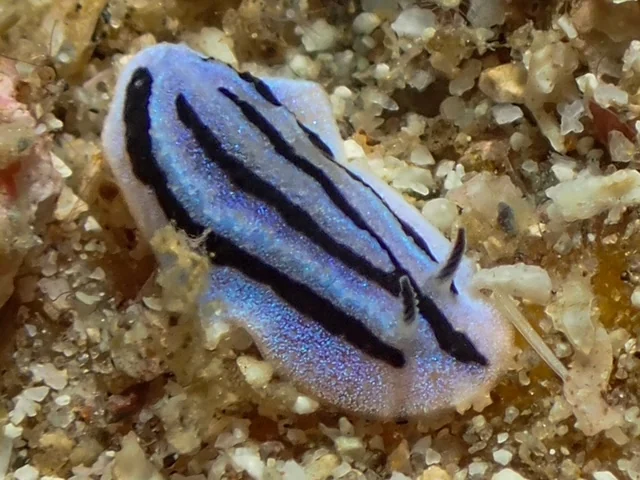
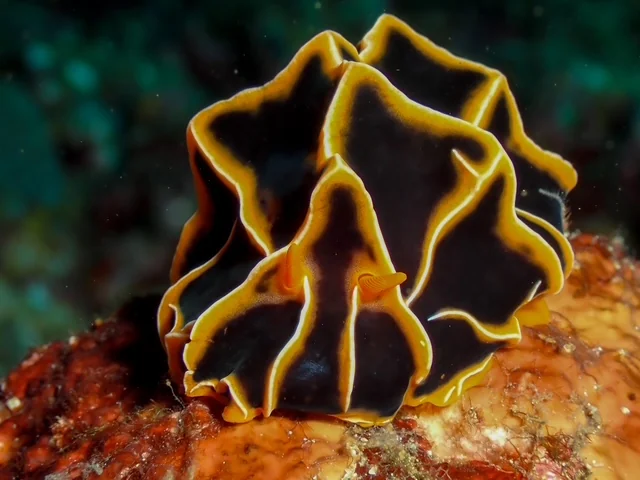
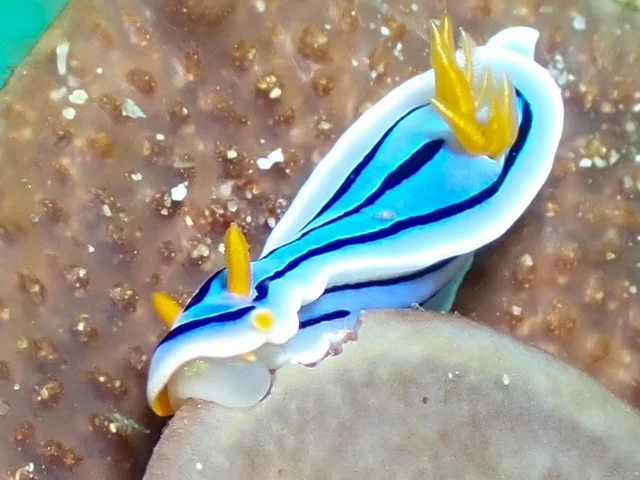
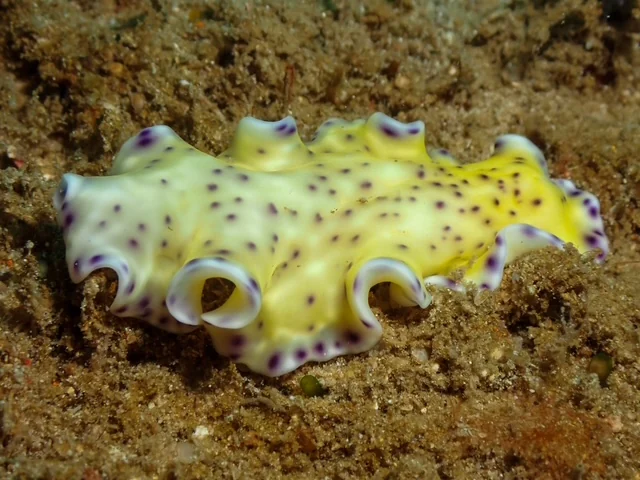
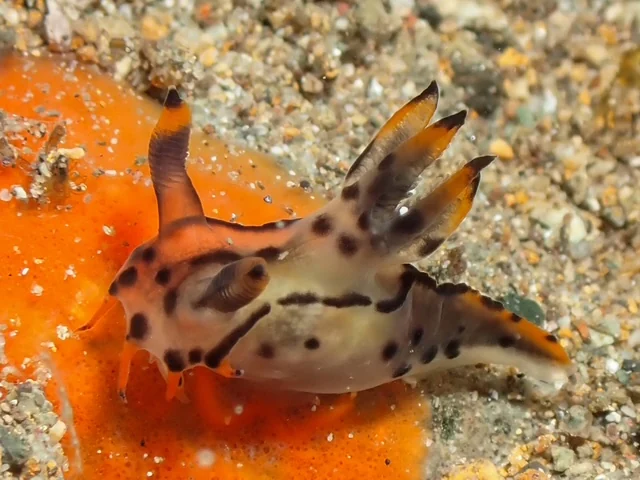
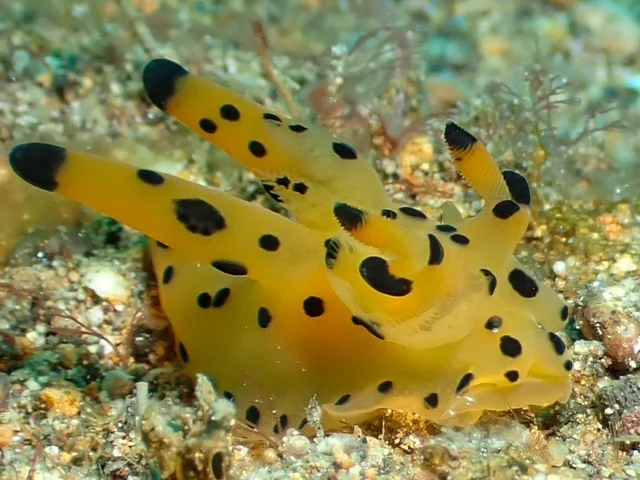
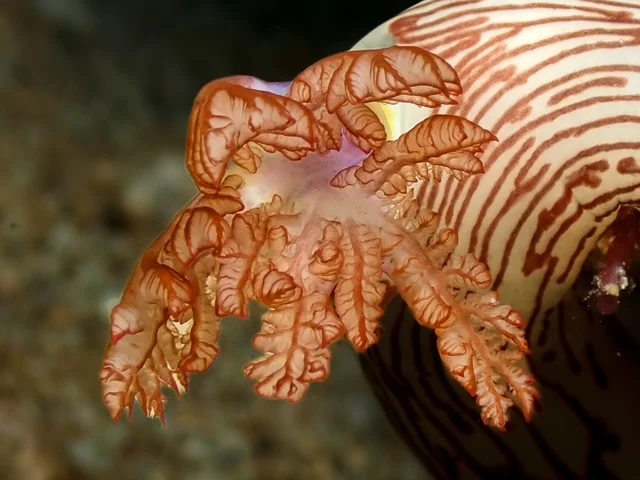
Anilao is a superb destination for nudibranch photography, with colourful subjects that suit the MacroDivers focus perfectly.
Destination
A January 2026 macro-focused trip based at Solitude Acacia Resort, exploring one of the Philippines' classic underwater photography destinations.
Anilao gave us a strong mix of critter hunting, relaxed resort diving and the kind of close-focus subjects that make underwater macro photography so addictive.
January 2026
Our Anilao trip was in January 2026, staying at and diving with Solitude Acacia Resort. It was a natural fit for MacroDivers: warm-water diving, experienced local guides and a strong focus on the smaller marine life that rewards careful observation.
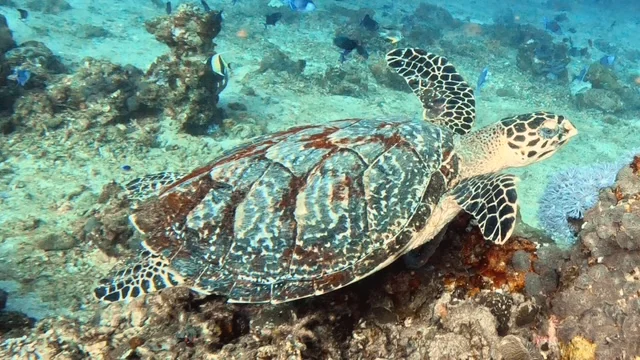
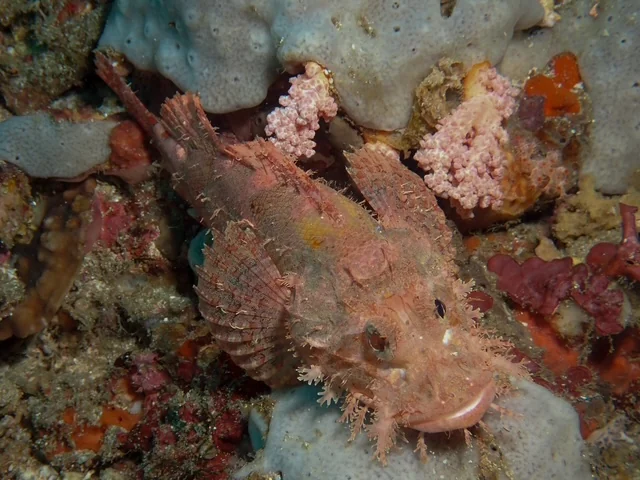
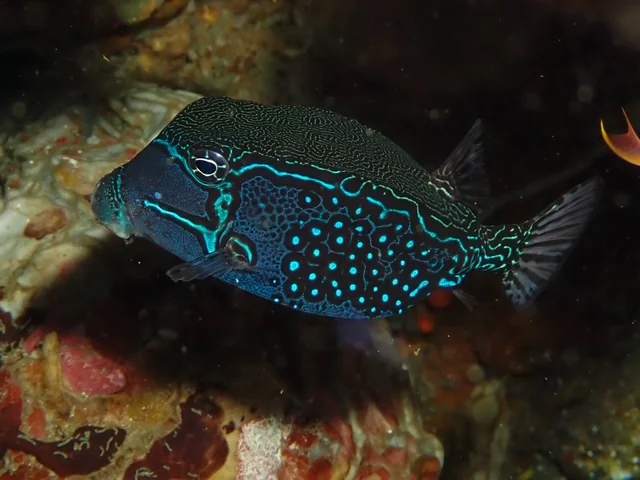
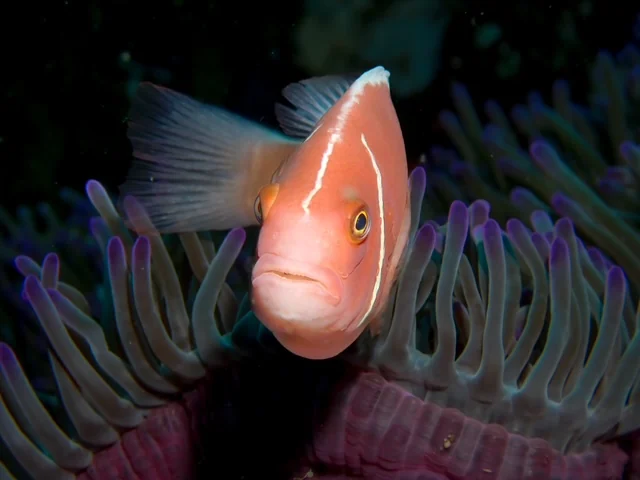
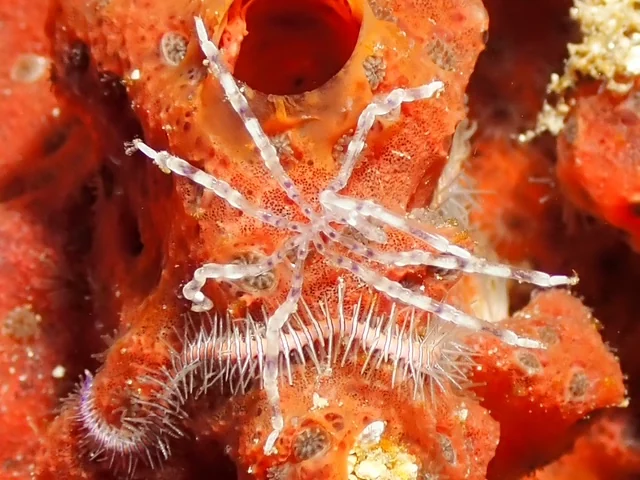
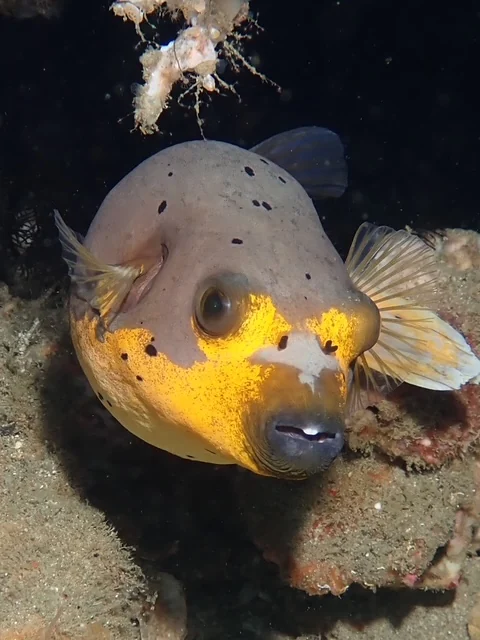
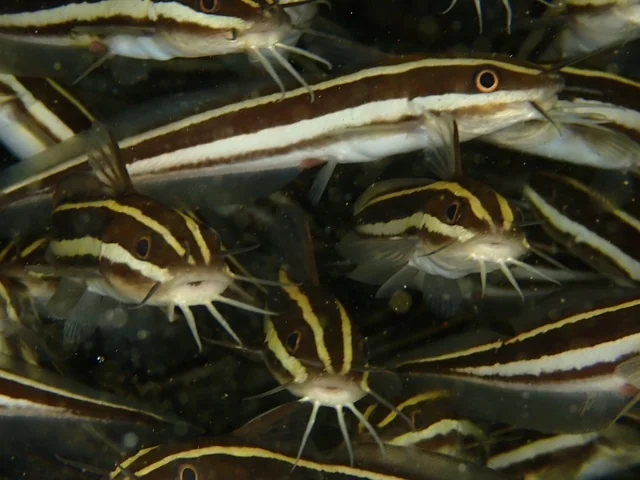
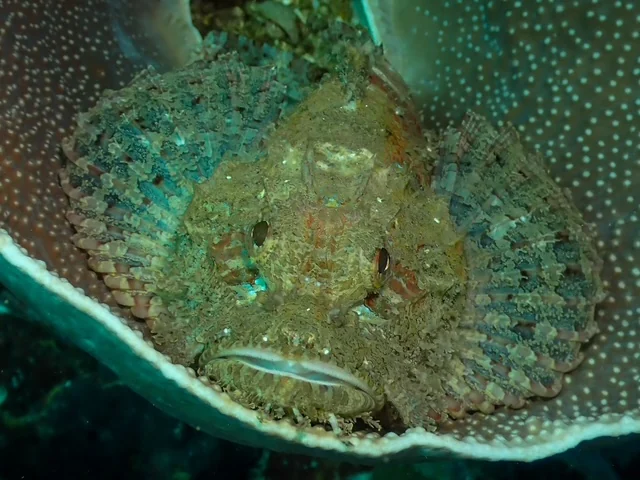
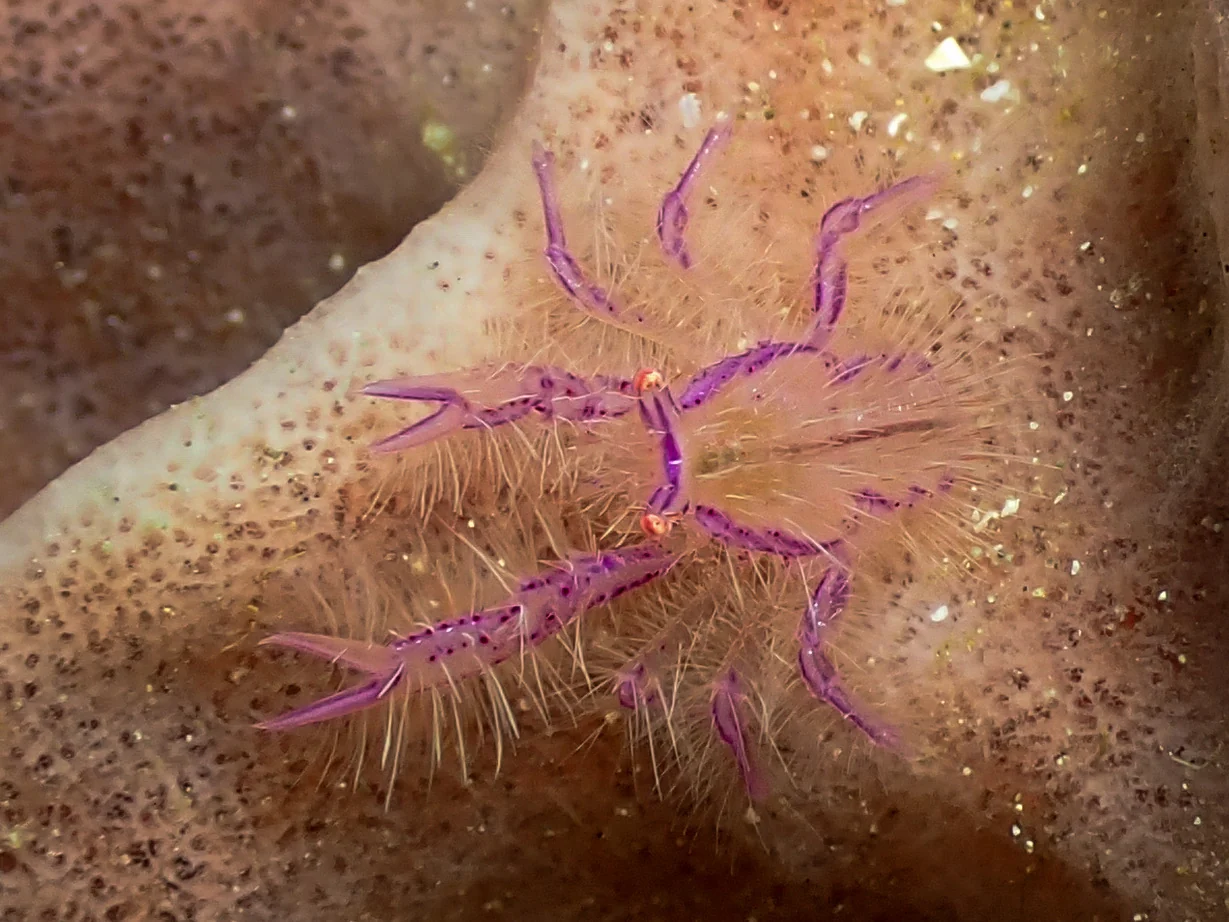
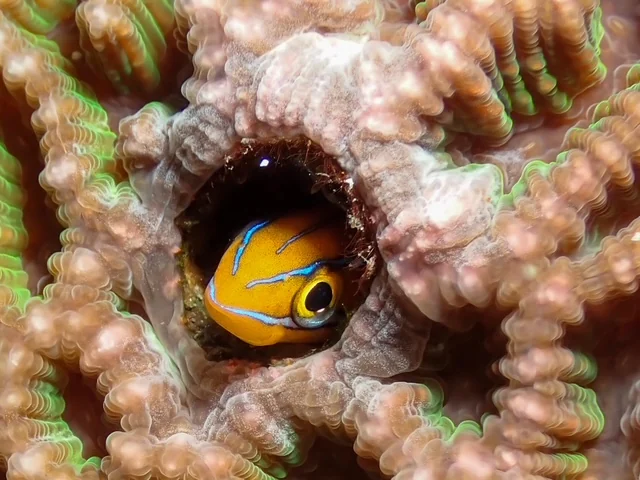
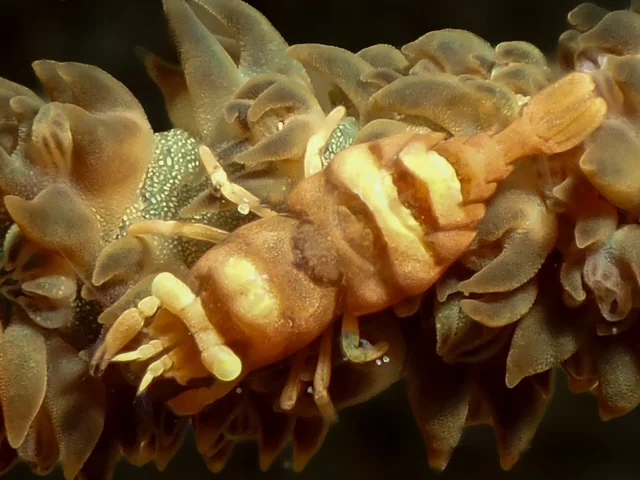
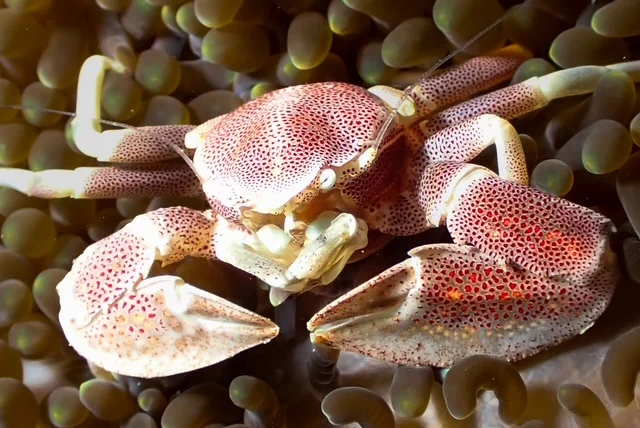
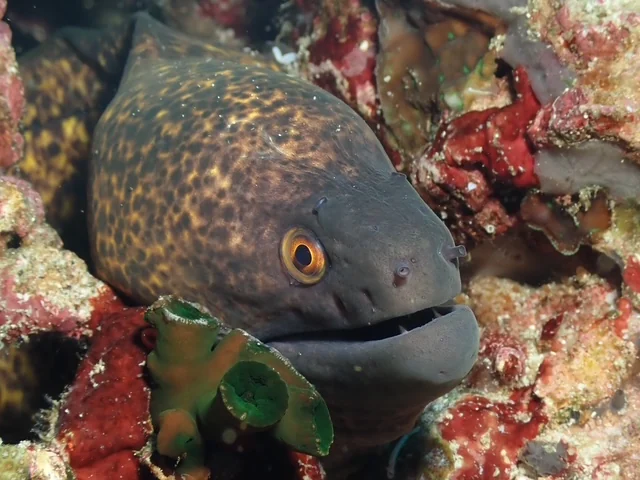
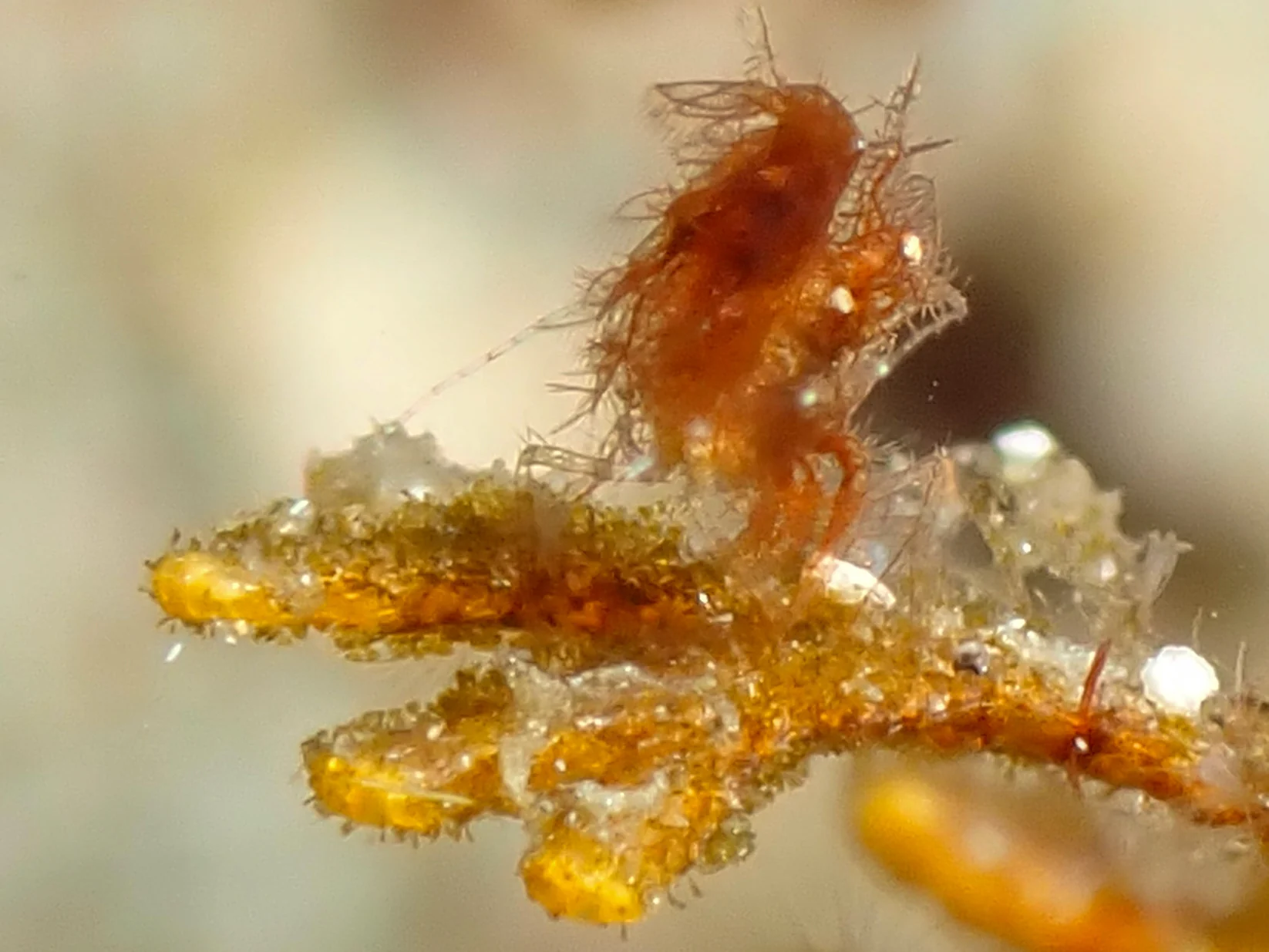
Anilao is well known among underwater photographers because it offers excellent macro opportunities. The appeal is in the details: nudibranchs, clownfish, cleaning shrimp, crabs and other subjects that can be missed completely unless you slow down and really look.
Destination: Anilao, Philippines
Travelled: January 2026
Tour Operator:
Infinite Blue Dive Travel
Resort:
Solitude Acacia Resort
Diving: Solitude Acacia Resort dive operation
Focus: Macro photography, nudibranchs and
critters
Style: Relaxed resort diving with close-focus
photography
Highlights: Excellent macro subjects, relaxed
resort diving and a strong base for nudibranch photography
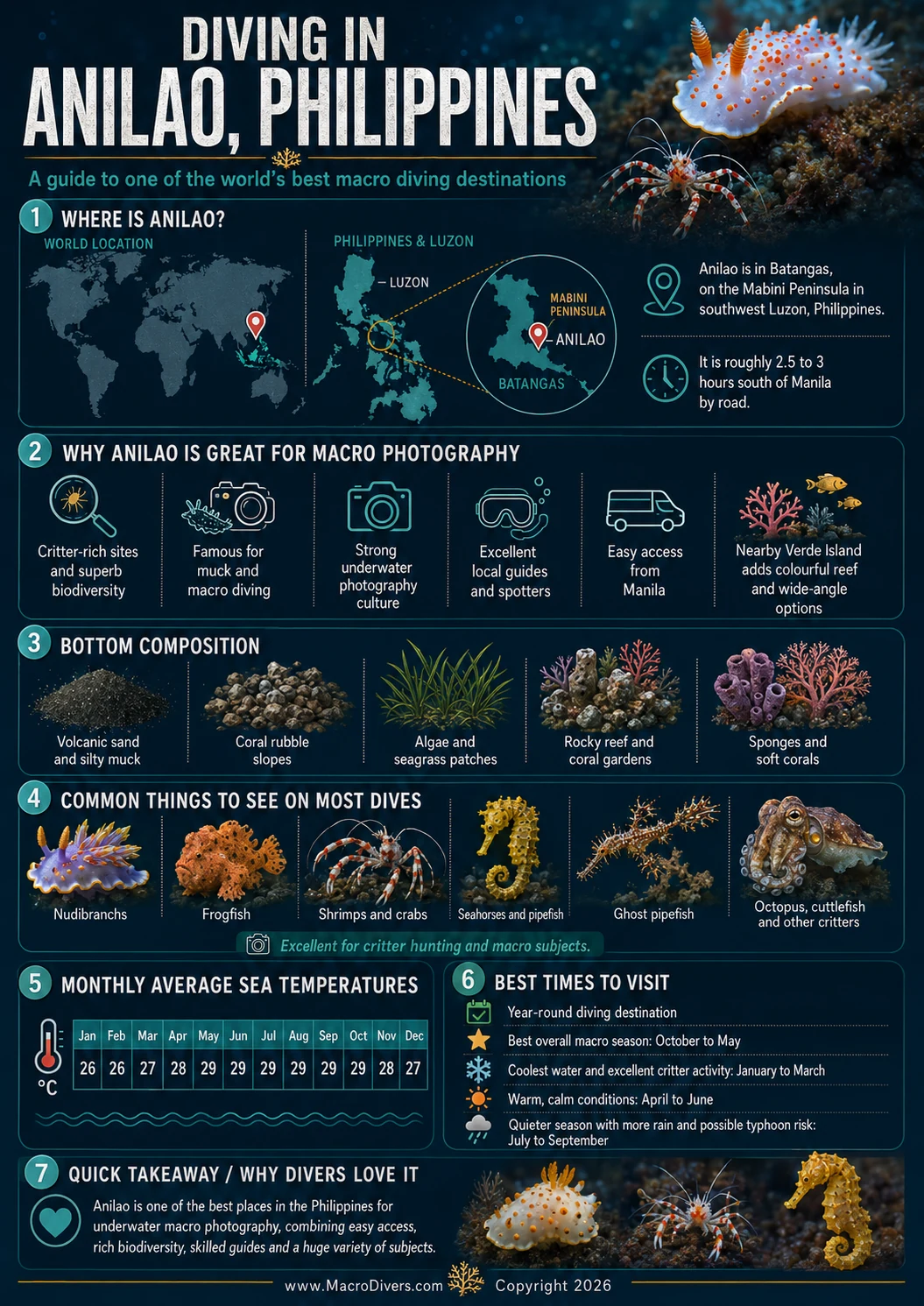
A quick visual guide to where Anilao is, why it is one of the world's best macro photography destinations, the typical bottom composition, what divers commonly see and when to visit.
Solitude Acacia Resort
Staying and diving with Solitude Acacia Resort made the trip simple: accommodation, diving and local knowledge all centred in one place.
For a photography-led trip, that matters. Less time spent on logistics means more energy for diving, image review, camera setup and enjoying the rhythm of a dedicated macro destination.
Resort: Solitude Acacia Resort
Diving: Solitude Acacia Resort dive operation
Best suited to: Macro photographers, nudibranch
hunters and relaxed resort-based diving
Anilao Gallery
Anilao is a superb destination for nudibranch photography, with colourful subjects that suit the MacroDivers focus perfectly.
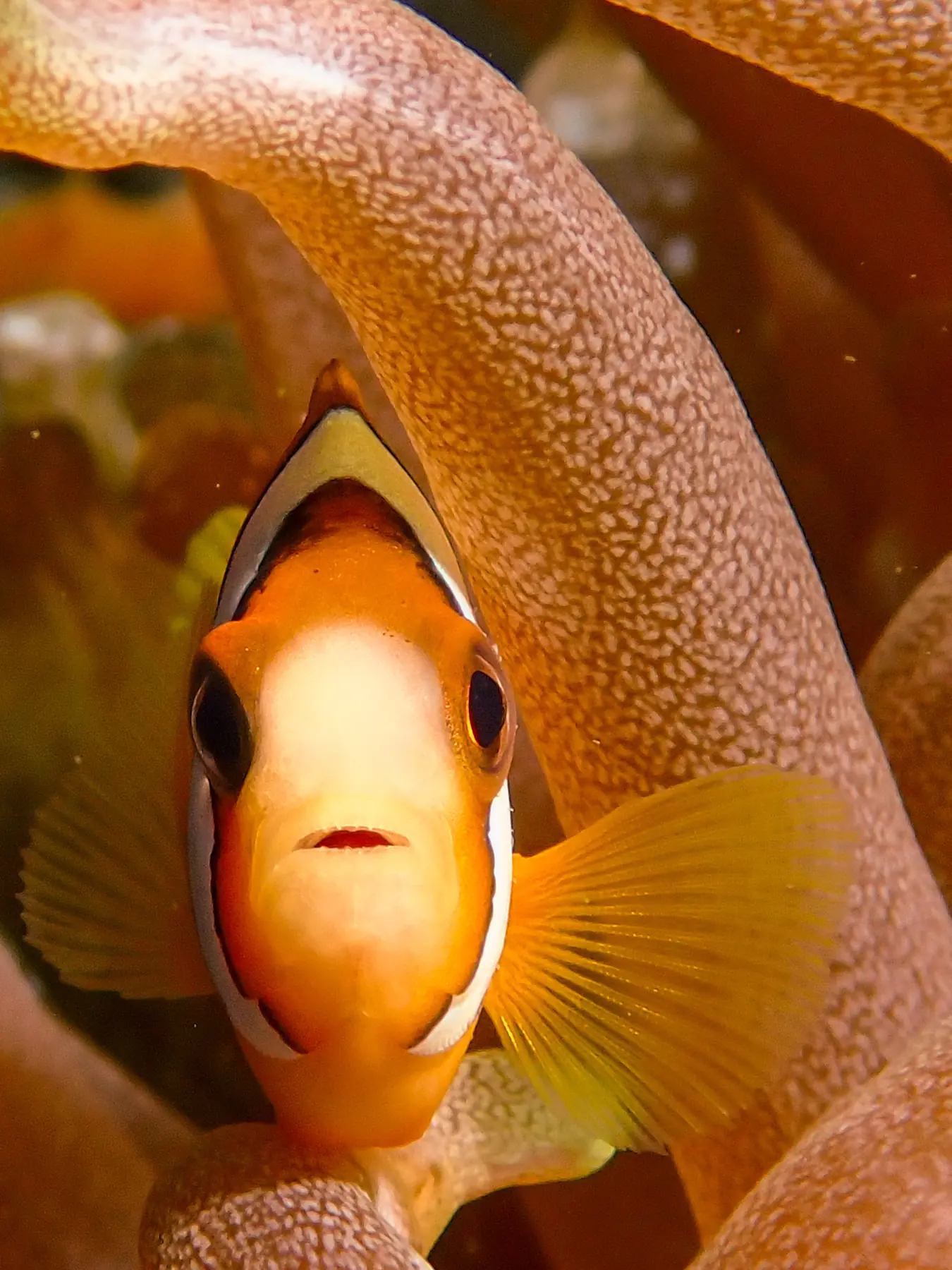
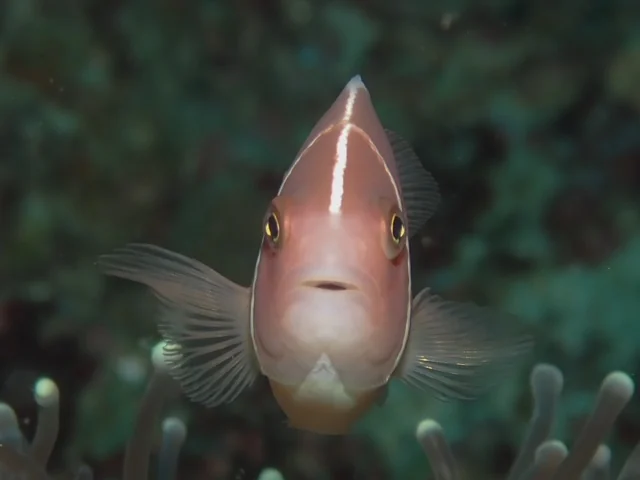
Clownfish add colour, behaviour and character to the reef, especially when photographed around their host anemones.
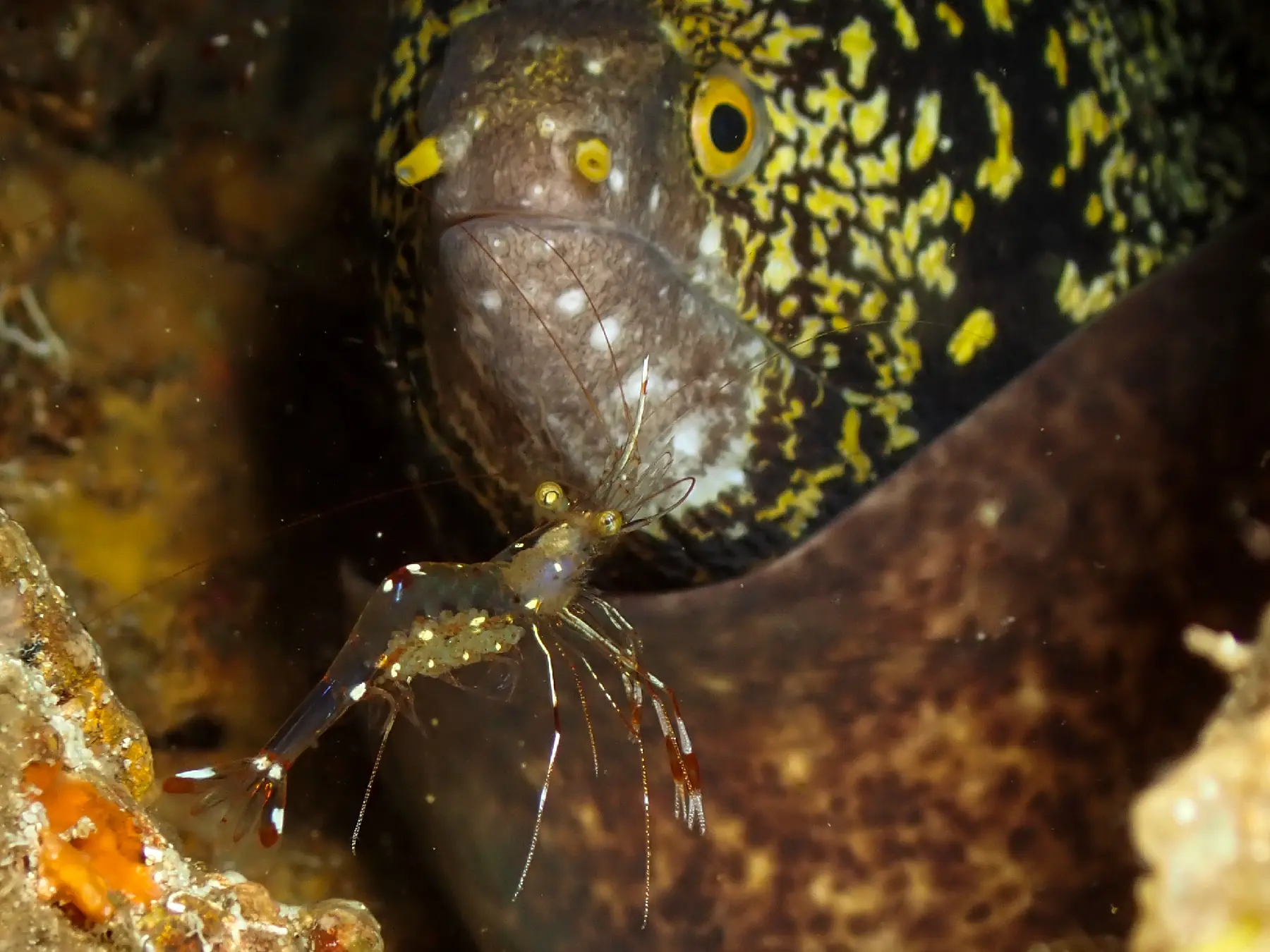
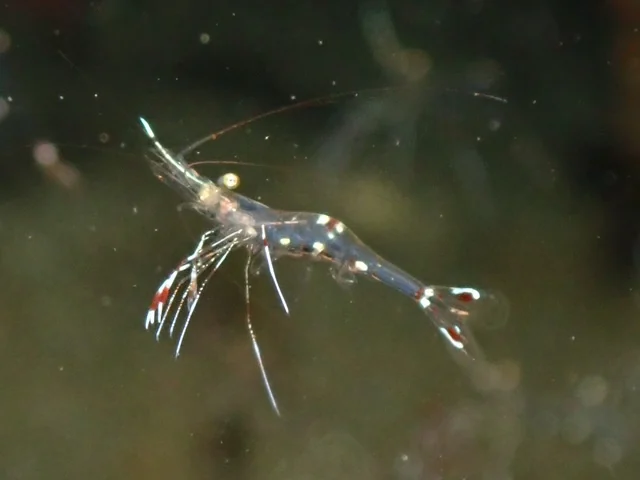
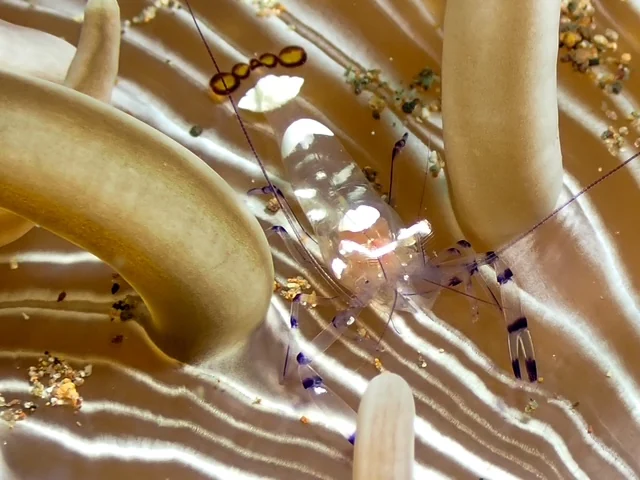
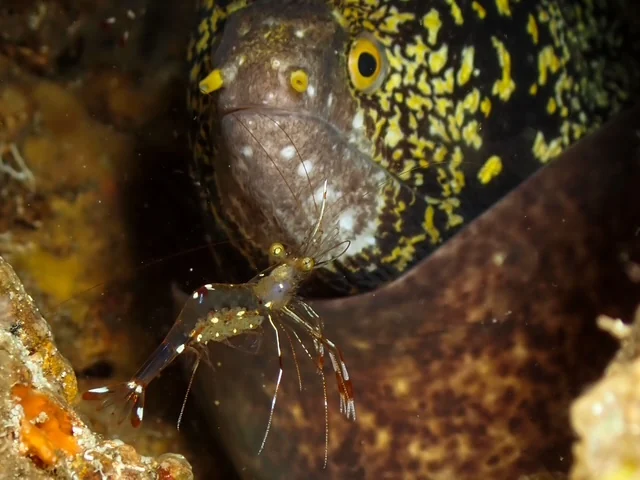
Cleaning shrimp are excellent macro subjects, with fine detail, delicate colour and interesting behaviour when approached carefully.
Macro focus
Anilao suited a photography-led rhythm: dive, review images, adjust lighting, repeat. That made it a useful destination for improving consistency rather than just collecting sightings.
For TG-7 macro photography, Anilao is a very suitable destination: plenty of small subjects, opportunities to practise lighting and a good variety of backgrounds, from reef textures to sand and rubble.
Personal review
A personal account of our stay, diving, and overall experience.
We visited Anilao in January 2026 and stayed at Solitude Acacia Resort. The trip was arranged through Infinite Blue Divers, run by a friend of Di’s who she knows from her trips to Lembeh. We booked our own flights and travelled with Emirates to Manila, where we stayed overnight at an airport hotel before being picked up and transferred down to Anilao.
Solitude Acacia is a beautiful resort, built into the hillside above the water. The setting is lovely, but it is worth knowing that there are quite a few steps. There are steps between the room levels, more steps down to the restaurant area, then more again down to the pool and dive centre, and finally further steps down to the beach. It was not a problem for us, but anyone with mobility issues, heavy camera gear, or tired legs after diving should be aware of the layout.
One nice feature of the resort was the sunset cocktail bar, which was a lovely place to sit and enjoy the view at the end of the day. The cocktails themselves were excellent, although service there was a little inconsistent, and it was not always easy to find someone available to come and serve you.
The dive centre was well organised, although there was no private storage area in the way some resorts provide. Most dive gear was kept in boxes in an outside area, which was locked at night. The camera room, however, was excellent. It was well laid out, well looked after, and locked up overnight. There was also a small air blower/compressor outside, fed from a cylinder, which was very useful for drying camera gear after dives.
Food was ordered from a menu rather than served as a buffet. Most of the menu was non-vegetarian, so as vegetarians we had to be a little creative. We managed well enough over the two weeks by choosing carefully, repeating a few reliable options, and speaking with the chef, who was able to modify some dishes for us. It worked, but vegetarian divers should not expect a wide range of ready-made choices.
Diving was from traditional dragon-tail boats, with two-dive trips going out from the resort. The boats did not have toilets on board, so on longer surface intervals it sometimes meant slipping over the side if needed. That is not unusual in this style of diving, but it is worth knowing in advance, especially for anyone used to larger day boats.
The water temperature was slightly cooler than we had hoped for at that time of year, and during the first week the air temperature also felt quite cool. By the second dive of the day, we did sometimes find ourselves getting chilly. During the second week, the air temperature warmed up and things became more comfortable. If travelling to Anilao in January, I would definitely think carefully about exposure protection. For some divers, a 3mm suit and rash vest may not be enough, particularly if doing repeated dives over several days.
The diving itself was excellent. We saw plenty of interesting macro life, and the dive guides were very good, consistently finding and pointing out small subjects for us to photograph. Anilao is exactly the kind of place where a good guide can make a huge difference, and we felt well looked after underwater.
Some dive sites were unavailable during our stay because of weather conditions, which was a little disappointing but understandable. That is one of the trade-offs of travelling in January. Even with those limitations, we had a very productive trip and came away with plenty of good macro encounters and photographs.
Overall, Anilao was a strong macro-diving destination and Solitude Acacia gave us a comfortable and well-run base. The resort is beautiful, the diving is excellent, and the camera facilities are very good. The main things to be aware of are the hillside layout, the number of steps, the more limited vegetarian options, and the possibility of cooler conditions and weather-related site restrictions in January.
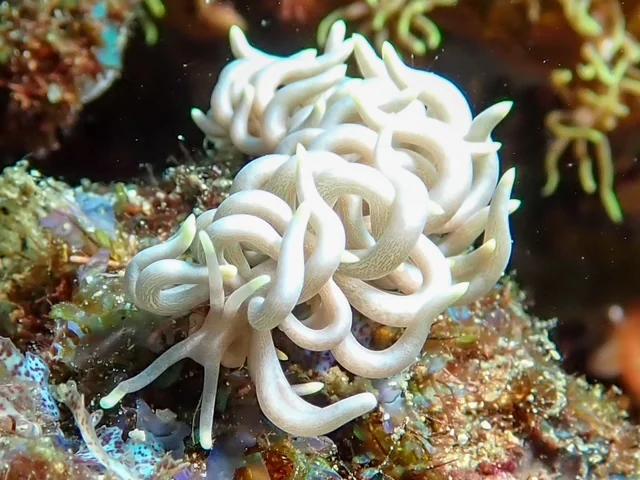
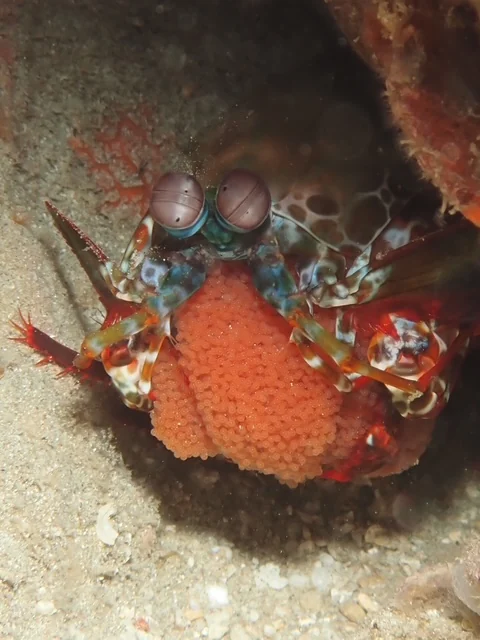
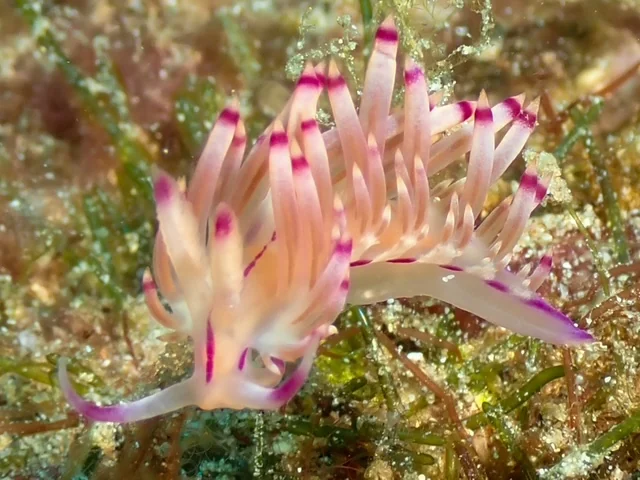
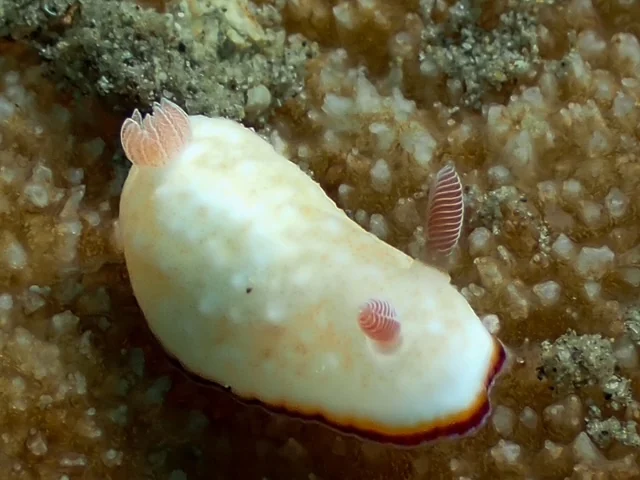
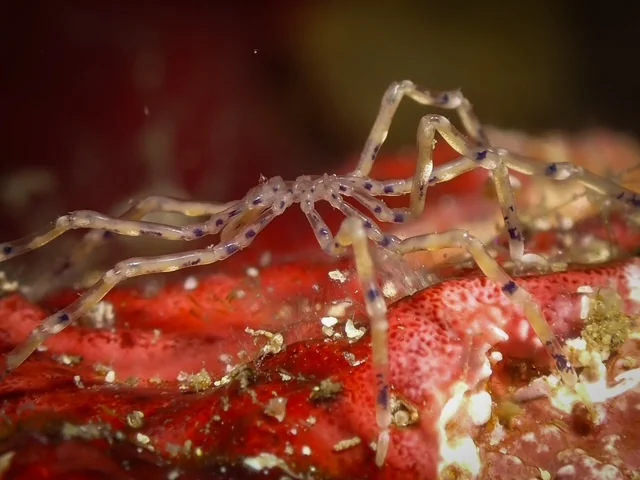
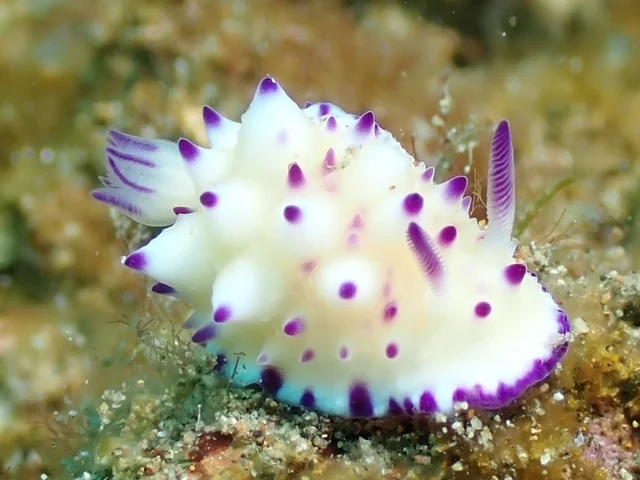
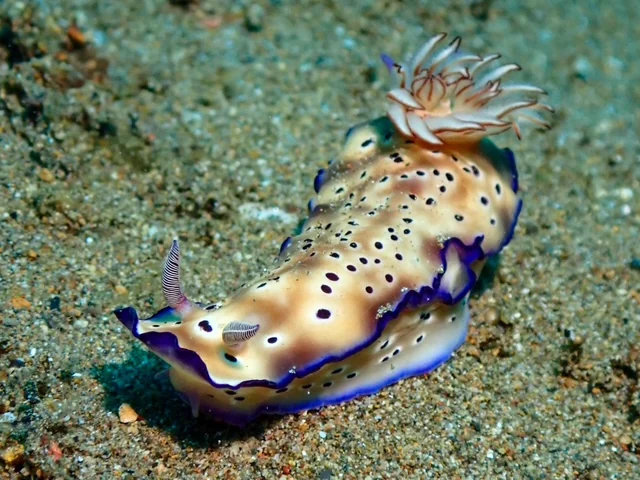
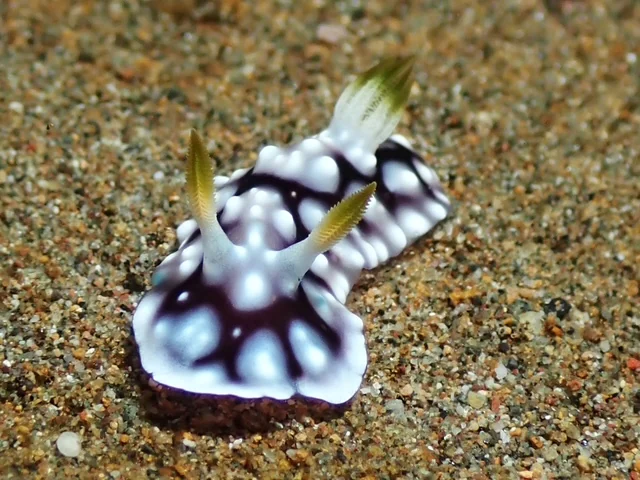
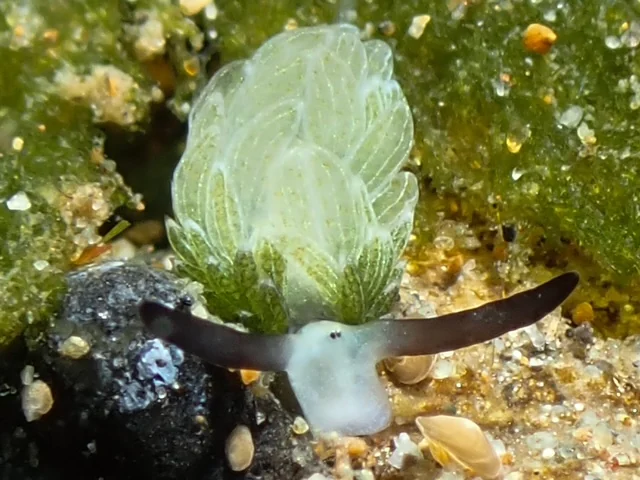
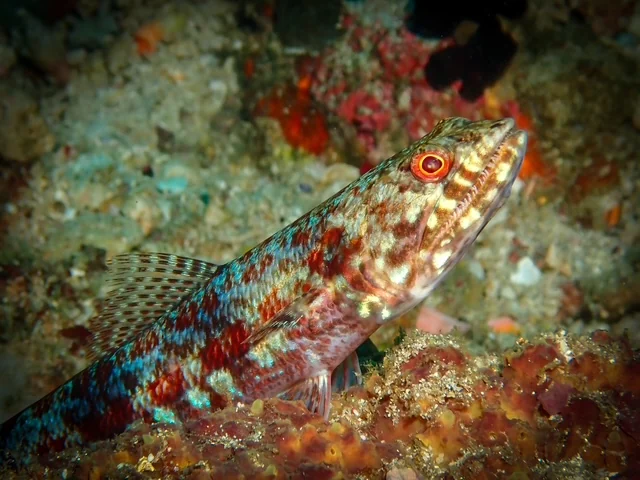
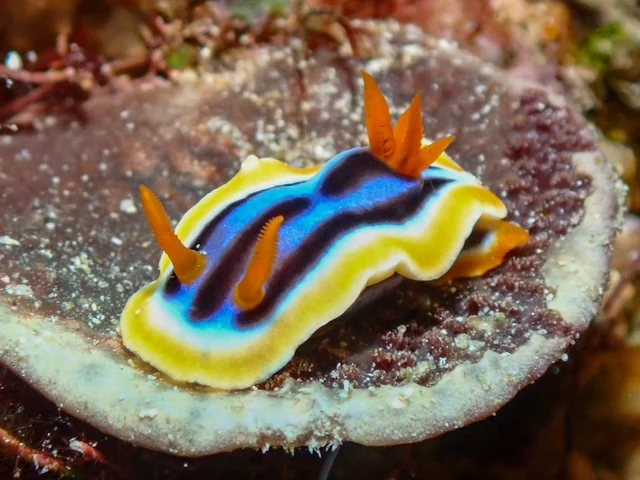
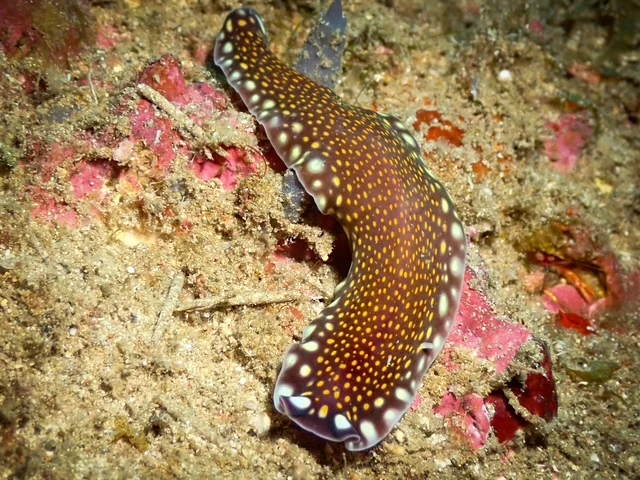
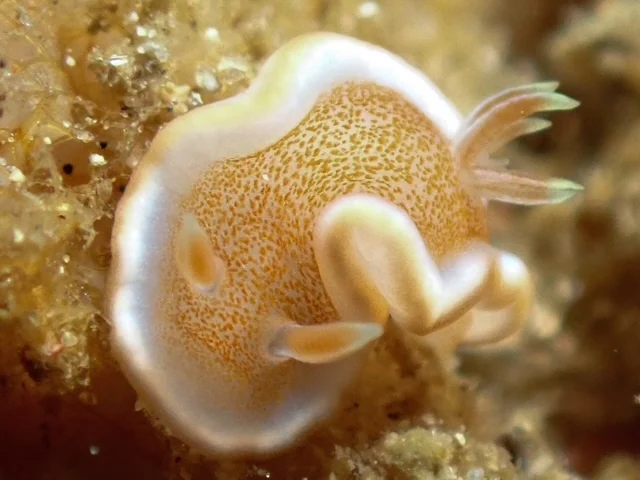
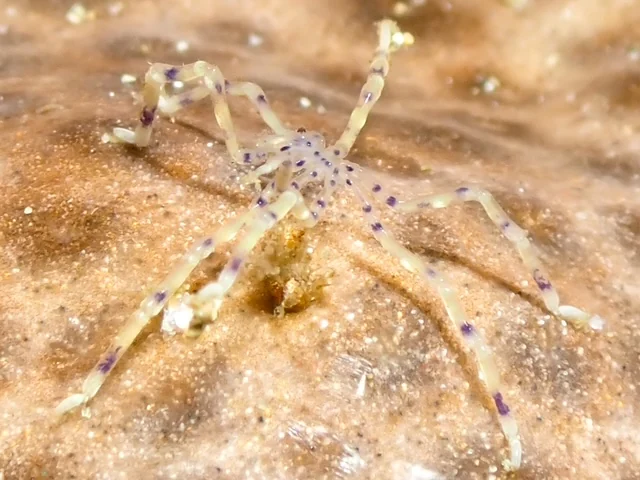
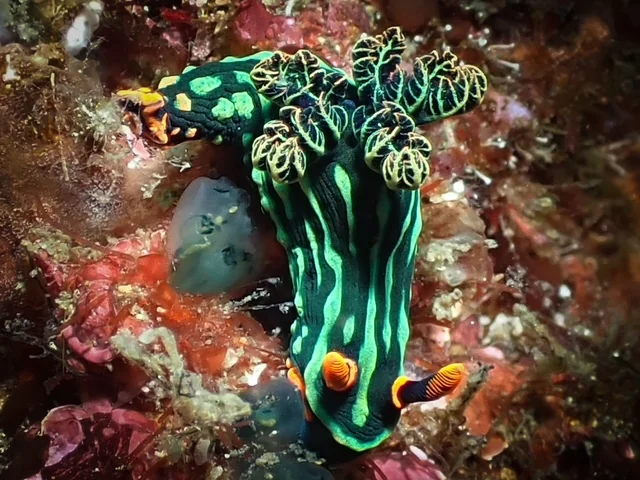
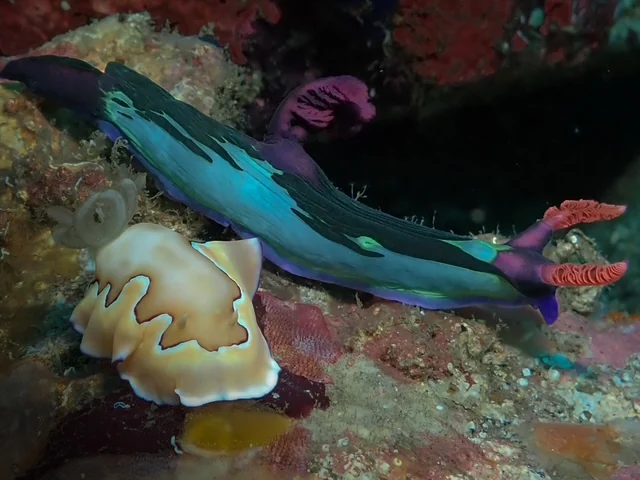
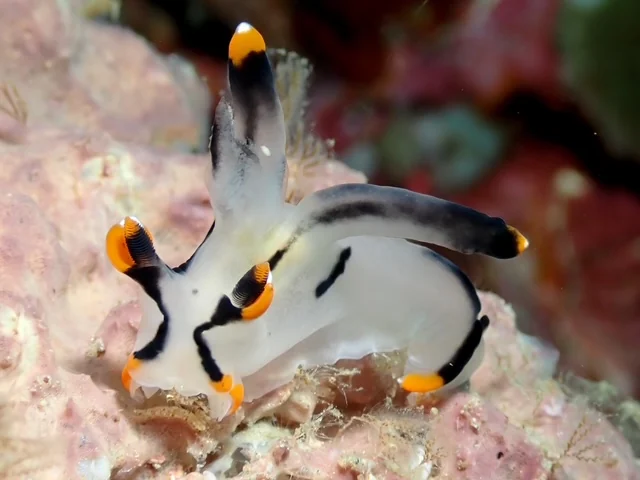
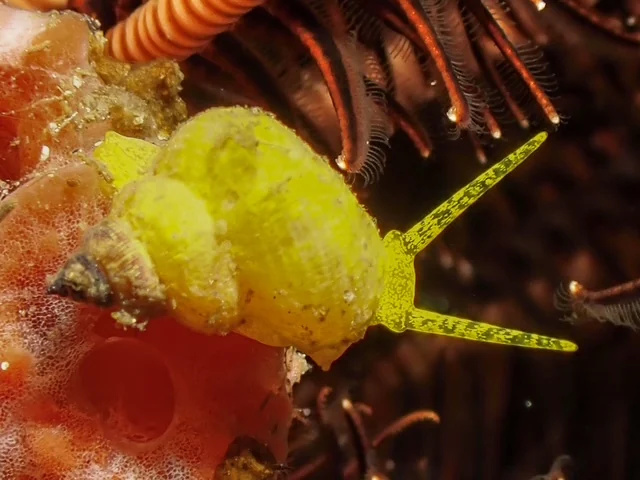
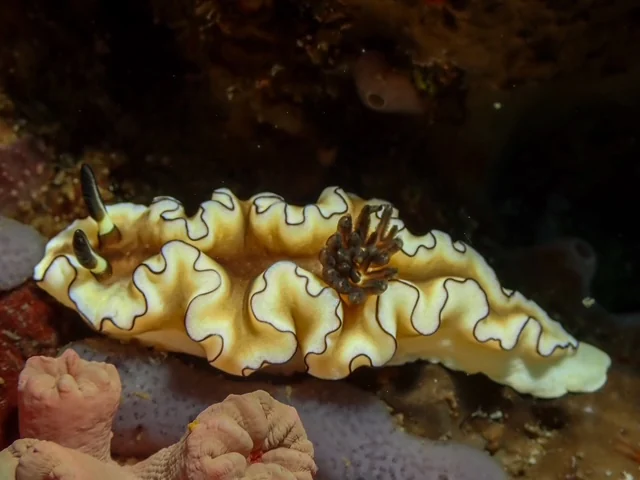
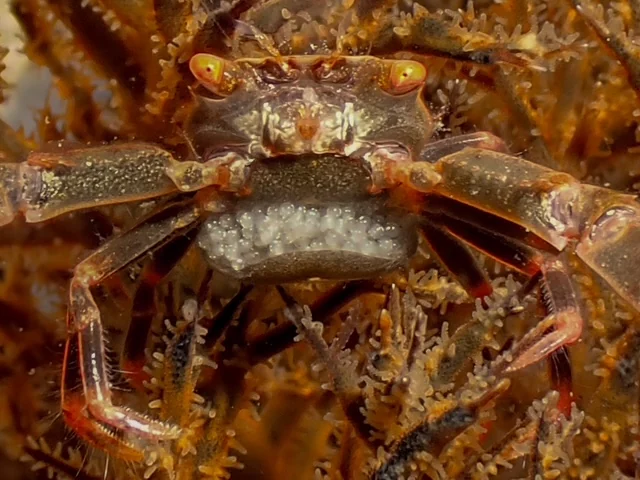
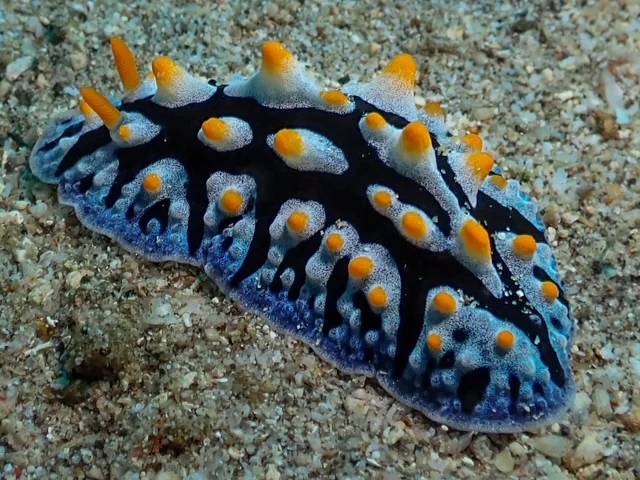
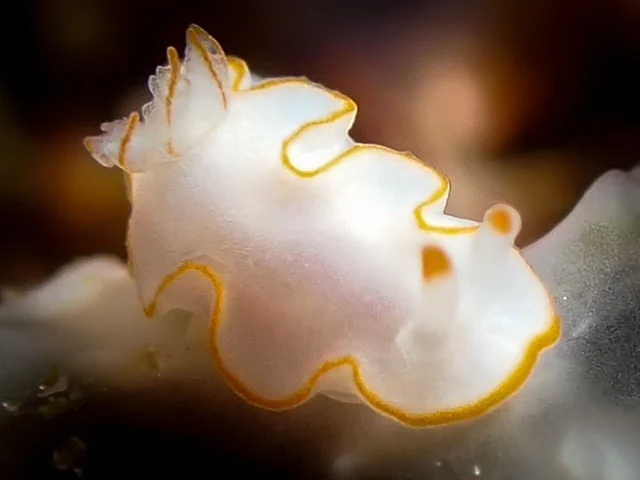
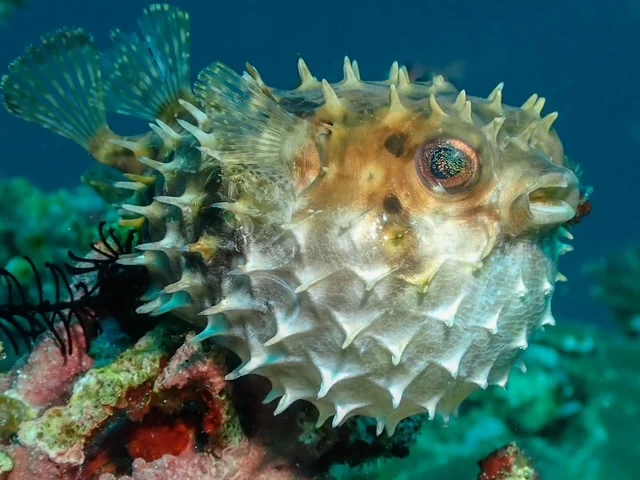
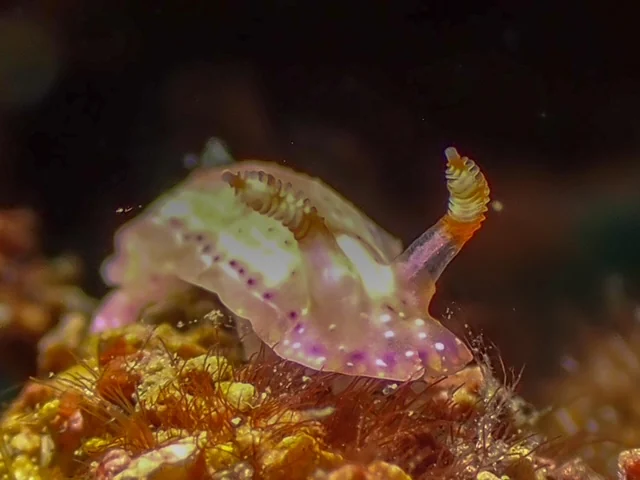
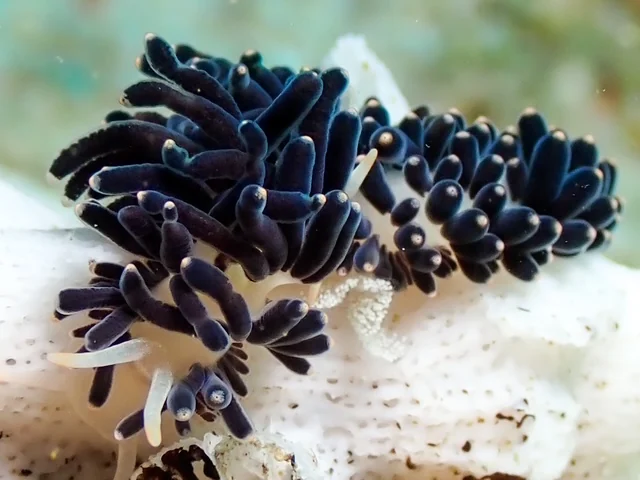
Yes. Anilao is a strong destination for nudibranch and critter photography, especially for divers who enjoy close-focus macro work.
Yes. Our Anilao trip had a relaxed resort-diving feel, with easy access to macro subjects and plenty of time for photography.
Anilao works well for macro photographers because it offers small subjects, close-focus opportunities and a diving style that suits patient underwater photography.
Not necessarily, but good buoyancy and careful fin control are important. Macro diving is often about being still, controlled and patient.
A compact macro setup, good lighting and careful close-focus technique work well. For nudibranchs and small critters, patience usually matters more than rushing to the next subject.