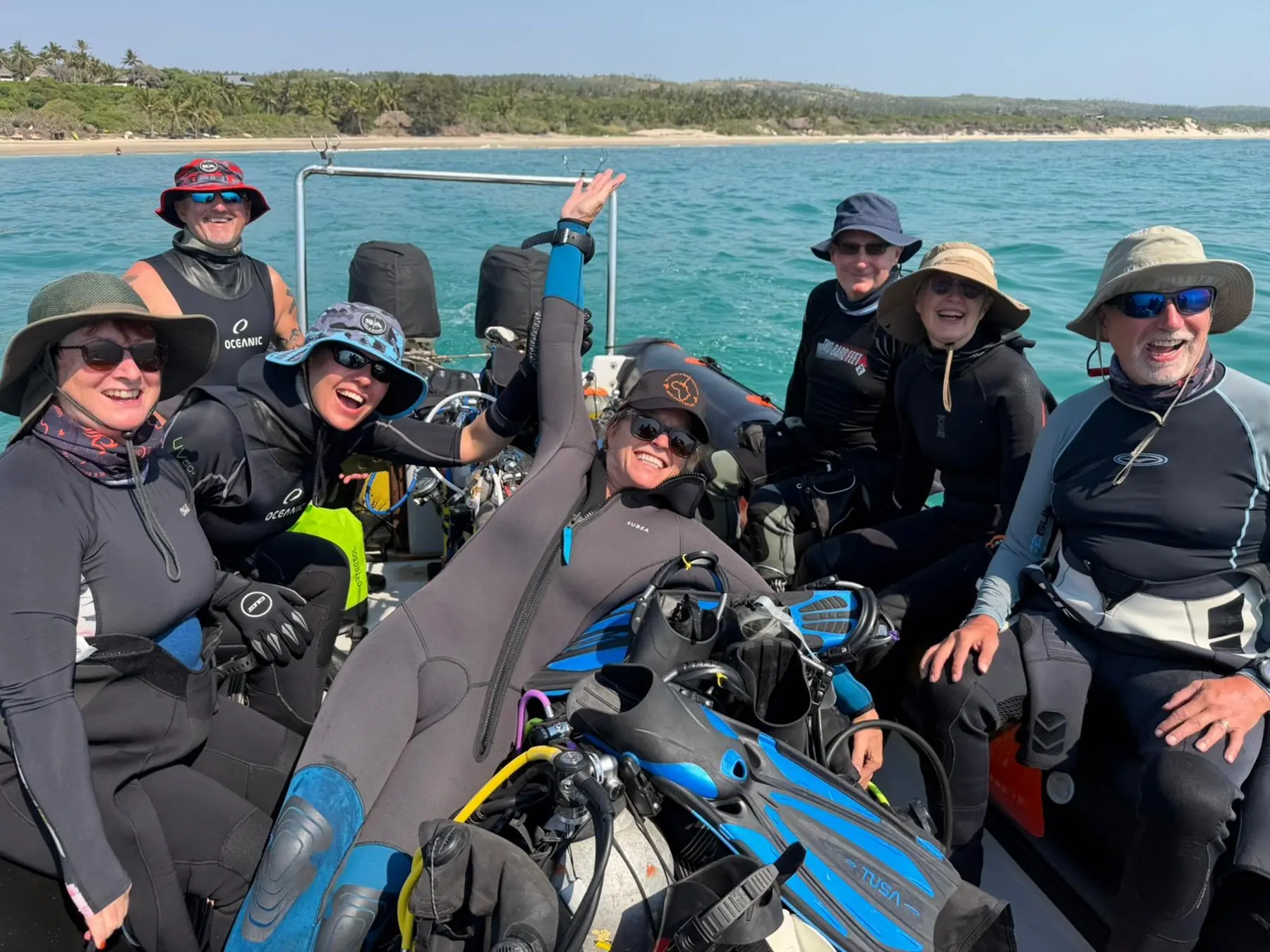
Blue Ocean team on the RIB
Us and the gang on one of the two RIBs operating out of each dive destination.
Destination
Our first dive trip together, combining temperate (21°C) Indian Ocean reefs, nudibranch hunting, Blue Ocean friends and a final safari stop in Kruger.
Mozambique was where our shared diving journey really began. It was a Blue Ocean Diving trip, diving at two centres in Mozambique, before transferring to South Africa for two days of jeep safaris at Kruger National Park.
Our First Dive Trip Together
Mozambique will always be important to us because it was our first dive trip together. It had exactly the right mix: a friendly Blue Ocean group, challenging boat diving off RIBs, colourful reefs, macro subjects and enough travel adventure to make it memorable.
We stayed at two centres in Mozambique and dived with Peri Peri Divers at both. The diving was not about ticking off headline animals. We did not see humpback whales or whale sharks on this trip, but the reefs, fish life and nudibranchs gave us plenty to enjoy and photograph.
Destination: Praia de Morrungulo and Tofo Beach,
Mozambique
Travelled: October 2025
Trip: Blue Ocean Diving group trip
Tour Operator:
Blue Ocean Diving Maidstone
Dive Operator:
Peri Peri Divers
Dive Centres: Morrungulo and Tofo in
Mozambique
Highlights: Reefs, nudibranchs, boat diving and
group memories
Extra Stop: Two days on safari in Kruger National
Park
A quick visual guide to where Mozambique is, where Tofo and Morrungulo sit within the country, why this is such a strong destination for underwater photography, the typical bottom composition, what divers commonly see and when to visit.
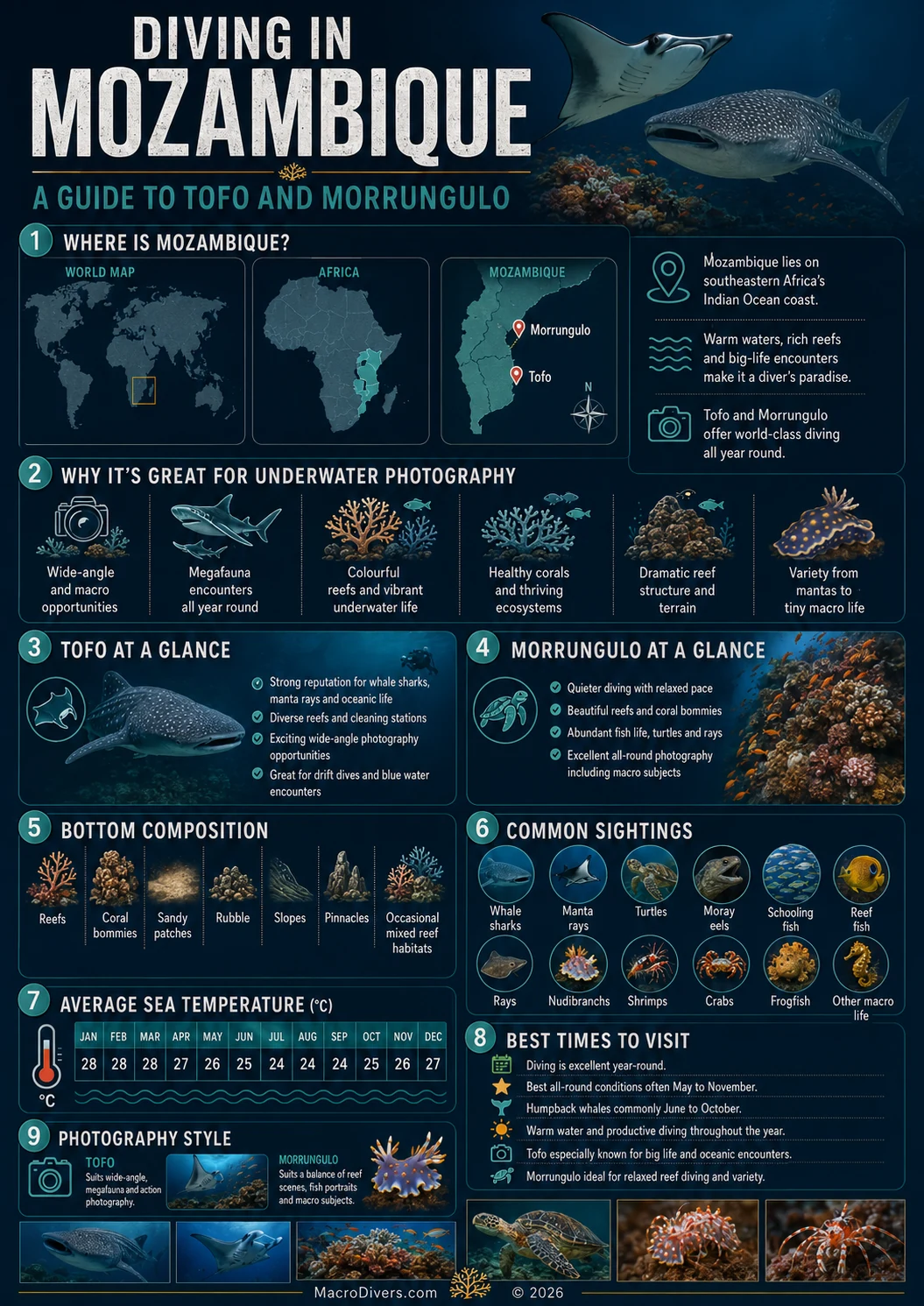
We dived at Praia de Morrungulo in Inhambane Province and Tofo Beach in southeastern Mozambique. Peri Peri Divers looked after the diving at both centres, giving the trip a consistent feel even as we moved between locations. The RIB diving, group atmosphere and reef dives made it a sociable, enjoyable introduction to travelling and diving together.
Dive operation
The diving gave us a variety of marine habitats including reefs, rocky outcrops and sandy seabeds; interesting small subjects and the kind of relaxed group rhythm that makes a first trip together feel special.
Trip Gallery
Us and the gang on one of the two RIBs operating out of each dive destination.
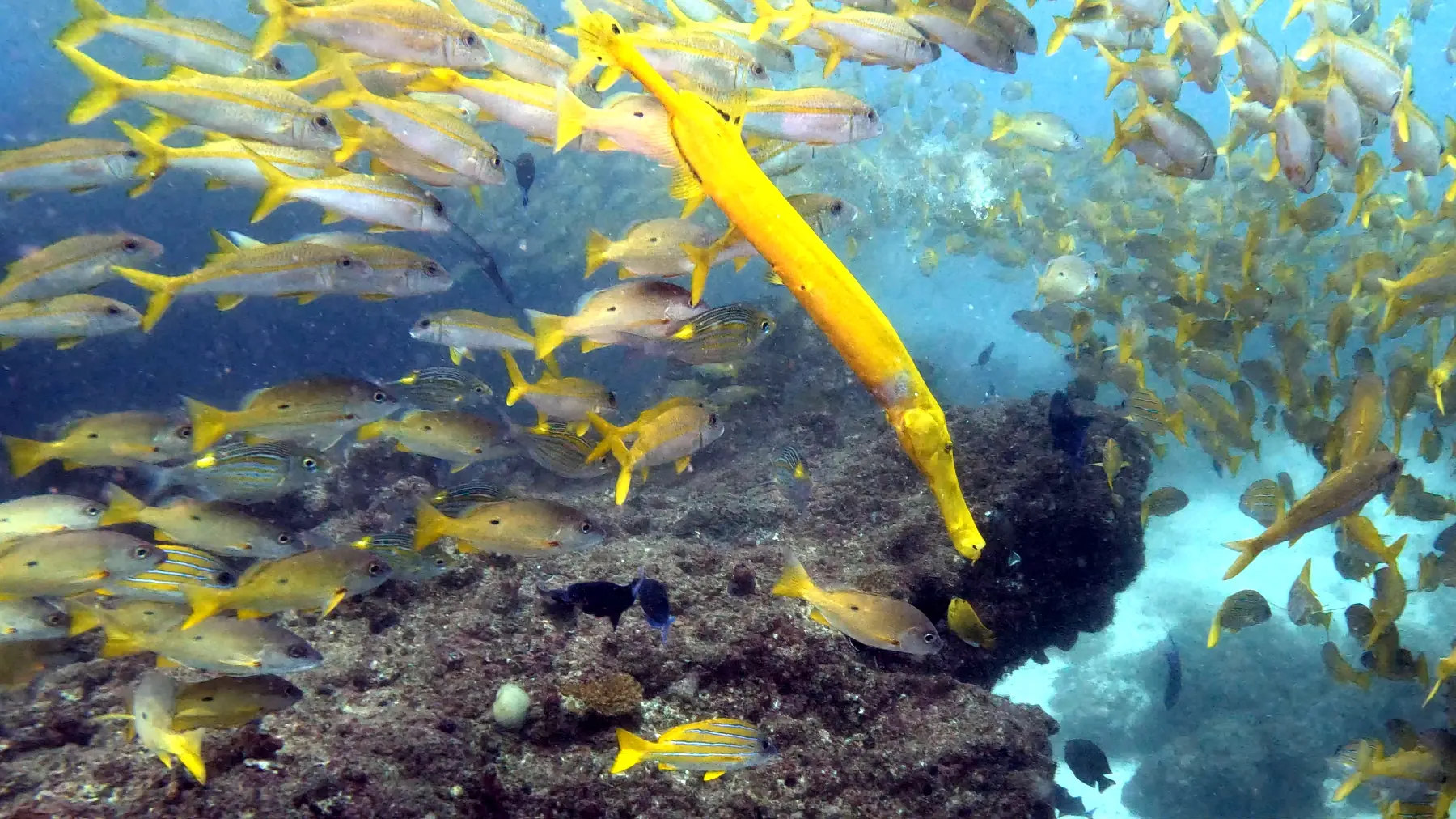
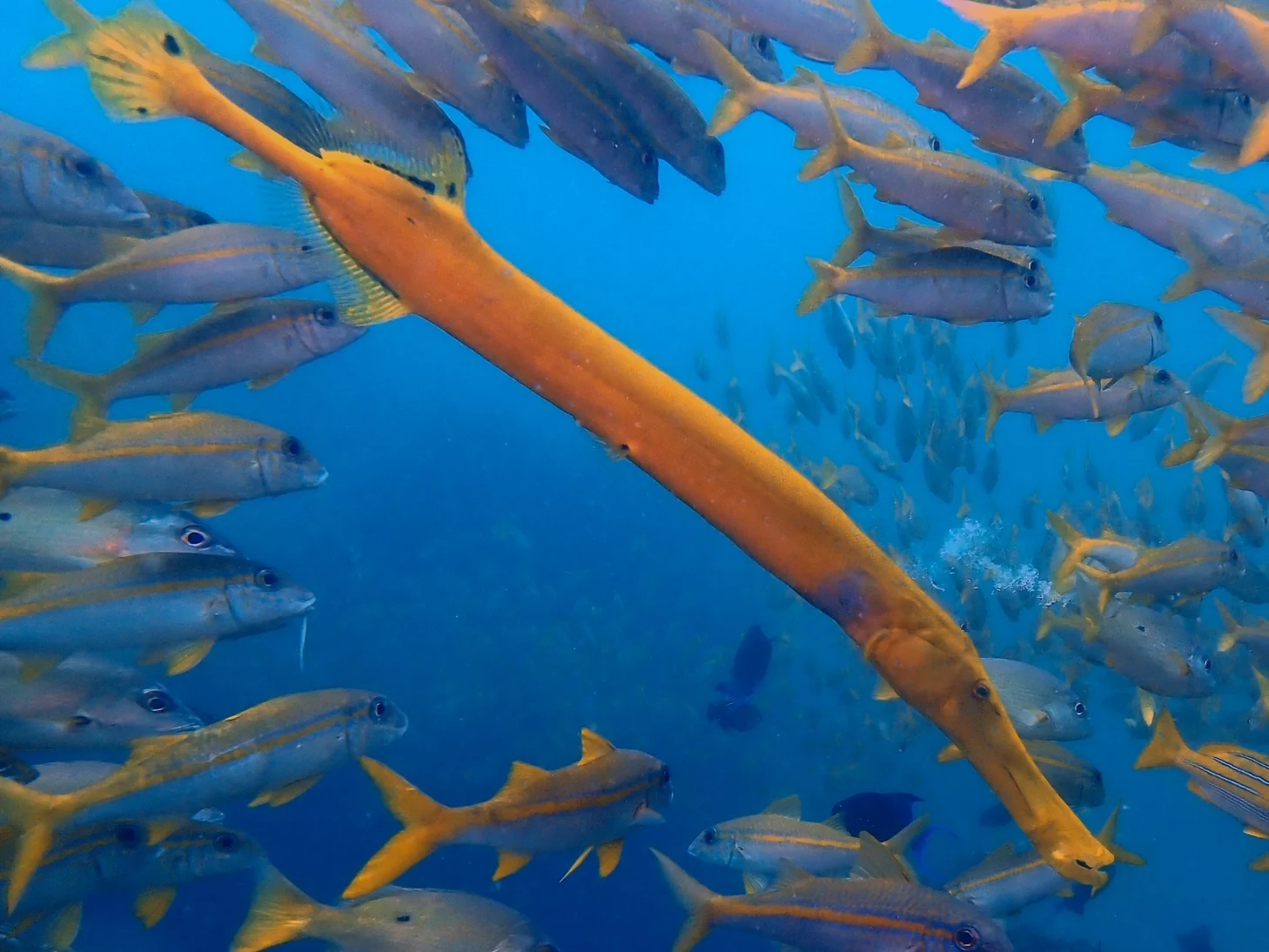
Indian Ocean reef diving with colour, fish life and plenty of detail for divers who slow down and look closely.
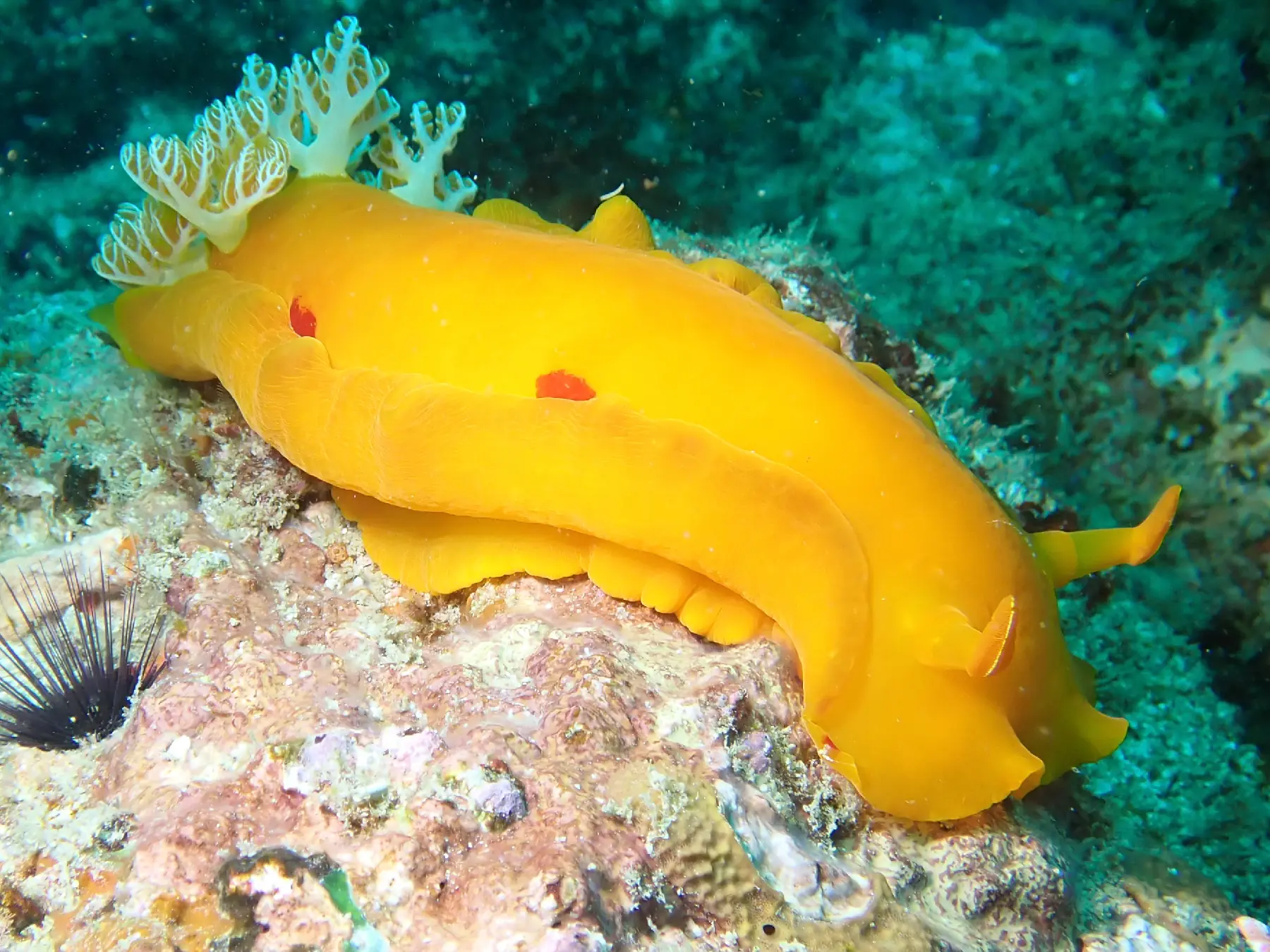
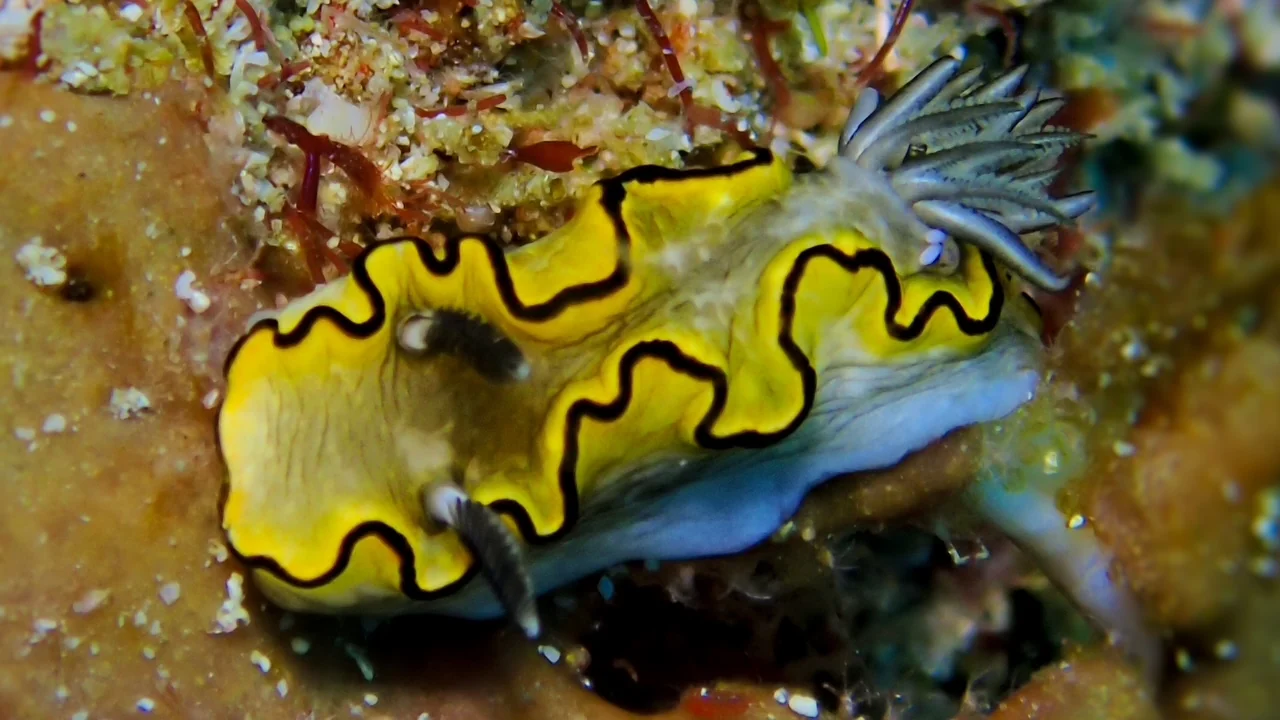
We did not see whale sharks or humpback whales, but Mozambique still delivered the smaller subjects that suit MacroDivers.
Kruger Safari Extension
After the diving, we stopped for two days on safari in Kruger National Park before completing the journey to Johannesburg Airport. It gave the trip a completely different final chapter: ocean life first, then African wildlife before flying home.
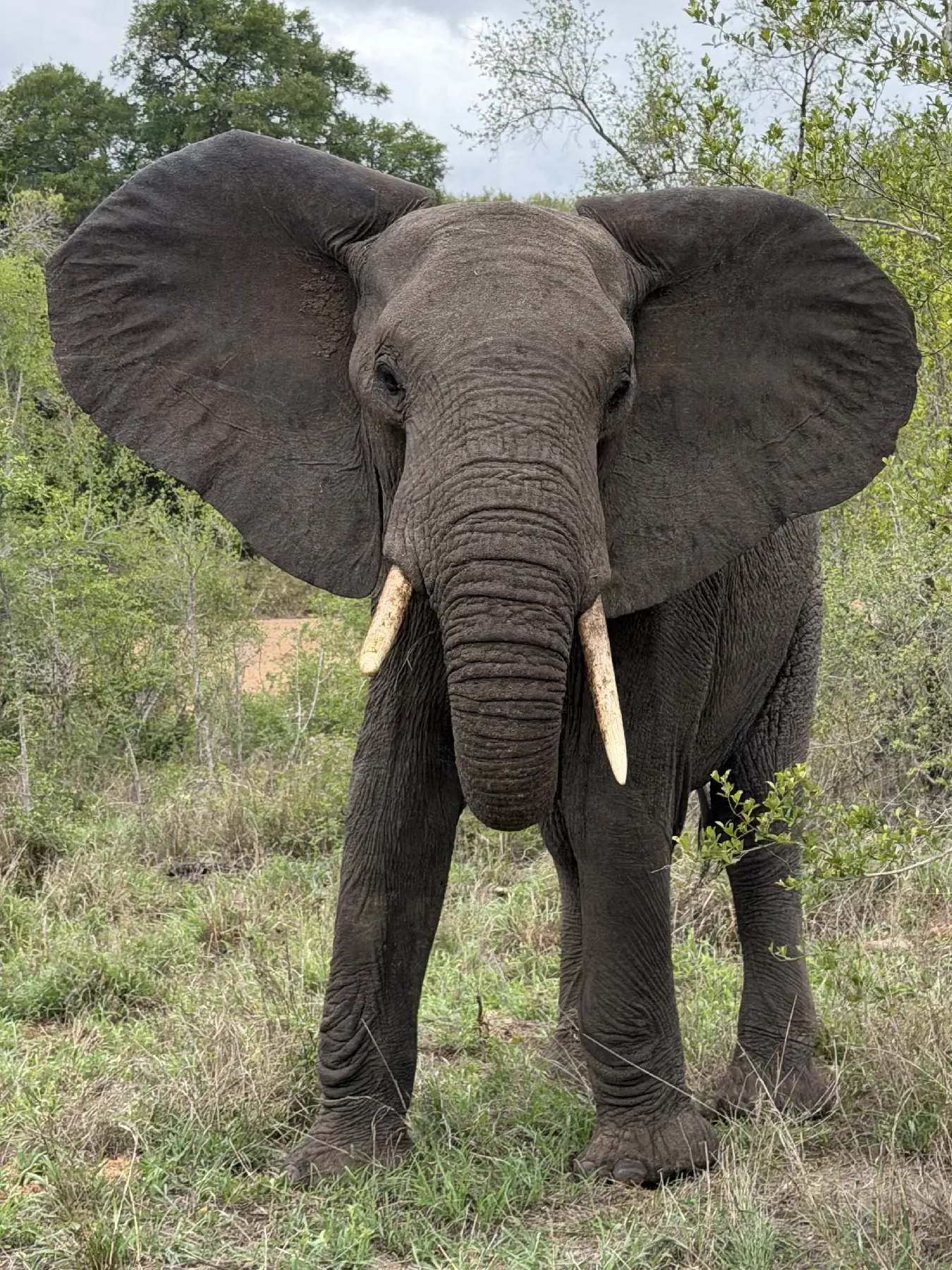
We were amazed at how close we got to the elephants.
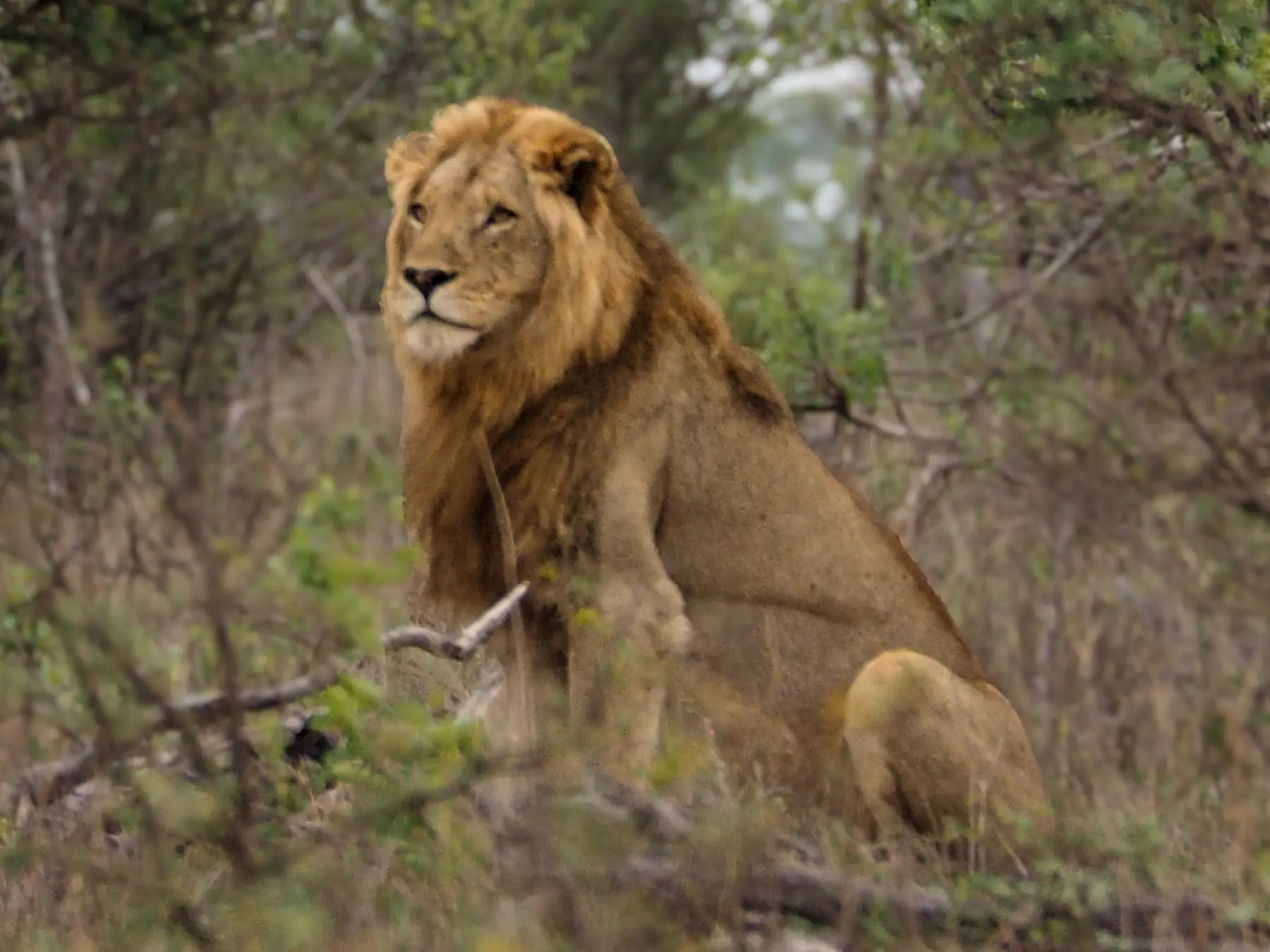
We were very lucky to see this magnificent lion.
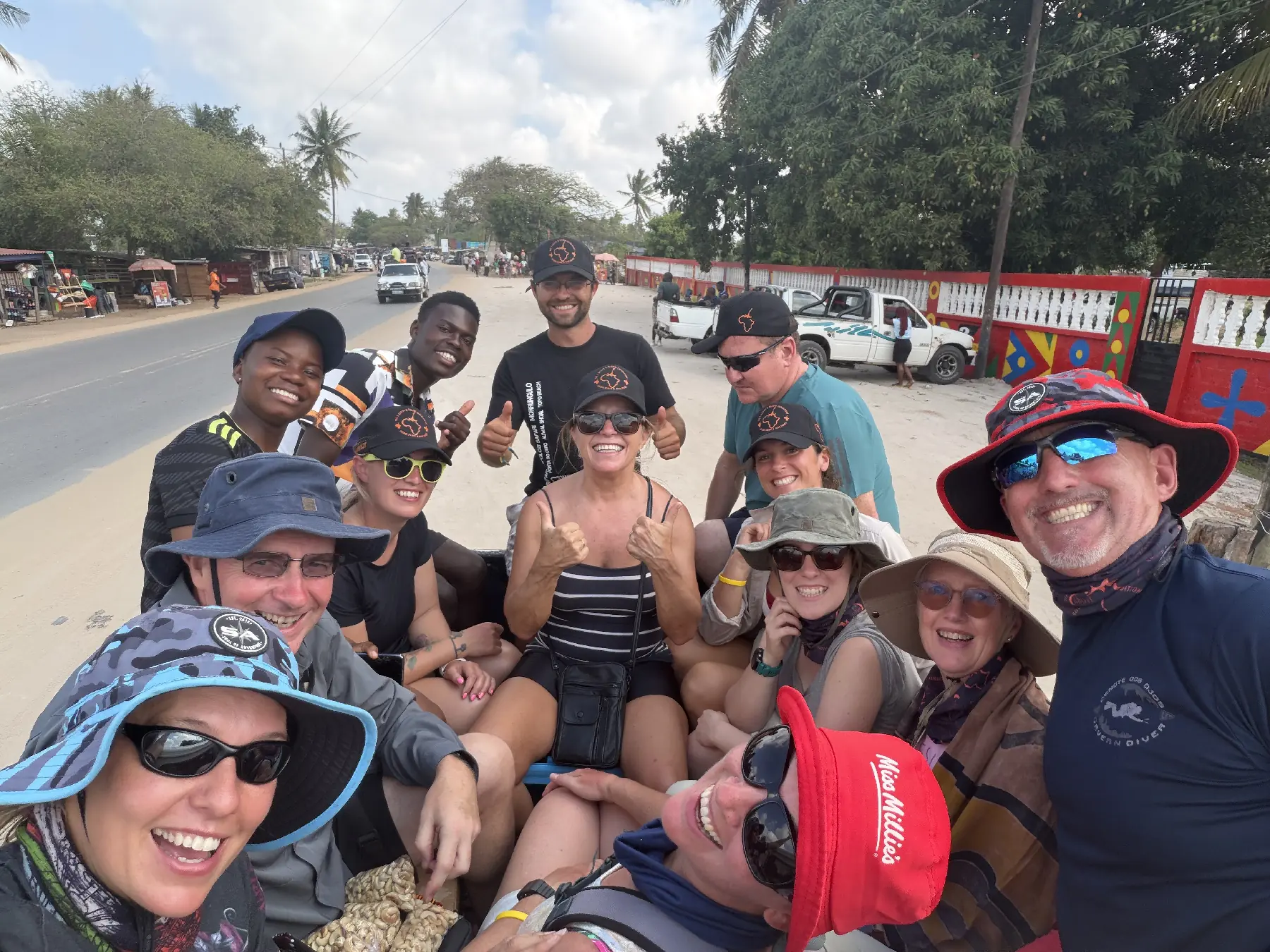
It was a fun group to travel with.
Why Mozambique matters
Some trips matter because of rare sightings. Mozambique mattered because it was the beginning of something: our first dive trip together, a Blue Ocean group adventure and a reminder that great diving is about the people, the place and the small details as much as the headline animals.
For MacroDivers, Mozambique belongs on the site because it was a real trip that showed small-subject photography in a different Indian Ocean context. We were hoping to see large animals, but the macro life still gave the trip an important place in the story.
Personal review
A personal account of our Mozambique diving, travel, and safari experience.
We visited Mozambique as part of a Blue Ocean Diving World Tour trip. I had originally booked the trip before Di and I got together, and Di joined later when someone dropped out and a place became available. The trip was organised through a tour operator using Piri Piri Divers in Mozambique.
We flew with British Airways from London to Johannesburg, then took a connecting flight into Vilanculos in Mozambique. From there, we had a long minibus transfer down to Morrungulo, where we spent the first week diving.
Morrungulo was a small, quiet place to stay and the accommodation was lovely. Our room was underneath the main living area and had a balcony with a great view out to sea, down the slope towards the beach. It felt peaceful, remote, and very different from a more commercial dive resort.
The food during the first week was excellent. As vegetarians, we were really well looked after. There was always a vegetarian option available, and the chef would speak to us the night before about what they had in stock and what they could cook for us the following day. Every meal was different, every meal was good, and we genuinely could not fault the food there.
The dive centre at Morrungulo was very well fitted out. There was no dedicated camera room, which was a shame, but there was enough space in our room to sort and look after camera gear. We each had our own dive boxes, there was plenty of space to change, and the team handled the logistics well. Our kit was loaded onto the RIB, which was then hauled down onto the beach and prepared for launch.
Getting to and from the boat was part of the experience. We had to walk down a slope to the beach, which was not too difficult on the way down and took around five minutes. Coming back up after diving, in the heat of the day, was more of a challenge.
The boat launches were interesting. You had to get into the RIB while it was being pushed into position by a tractor, then wait for the captain to pick the right moment between the waves before heading out through the surf. It was exciting, but it was definitely more adventurous than simply stepping onto a dive boat from a jetty.
Most of the dive sites were a long way offshore, often 45 minutes or more by boat. One of the main reasons for going at that time of year was the hope of seeing whale sharks and humpback whales during the surface intervals. On paper, the timing should have been perfect, but unfortunately the large animals had moved off earlier than expected that season, and we did not get the encounters we had hoped for.
The diving itself was often challenging. Many dives involved a negative entry off the back of the RIB, then dropping quickly and meeting the guide at around 20 metres. Once underwater, we saw reef fish, nudibranchs, and other smaller marine life, although not the big animals we had travelled hoping to see. Di had not expected much macro photography from the trip, but she was actually impressed by the number of nudibranchs we found, especially given that the larger marine life was absent.
At the end of the dives, we would usually surface in blue water, often from 20 metres or more, and wait to be picked up by the RIB. Getting back into the boat could be interesting, particularly for those of us who are not quite as young as we used to be. There was often a fair amount of being pulled, pushed, and hauled back on board.
Returning to shore was also memorable. Everyone had to hold on tightly as the RIB rode a wave back towards the beach before being quickly pulled up by the tractor. It was all handled well, but it added to the sense that this was proper expedition-style diving rather than a soft resort dive setup.
We had one non-diving day during the first week, and the team at the resort arranged for us to go into the local town in the back of their Land Rover. It was a really interesting experience. The town felt like a genuine small Mozambican village rather than somewhere set up for tourists, and it was lovely to walk around, see a bit of local life, and find a small bar for a beer or two before heading back to the resort.
Everyone at the resort was friendly, welcoming, and good fun. There was entertainment in the evenings, and the local team always seemed happy to join in and make the trip feel sociable. We really could not fault the people or the atmosphere during that first week.
For the second week, we transferred by minibus down to Tofo. The hotel there was also lovely, although it was not owned by Piri Piri Divers. The dive centre was next door, which made the diving logistics straightforward. We only ate breakfast at the hotel, and most evenings we went into the village, where there were plenty of local restaurants and we could always find vegetarian options that worked well for us.
The diving in Tofo followed a similar pattern: walking down to the beach, getting into a RIB, launching through the surf, and heading out to sea. Again, we were hoping for whale sharks, humpback whales, or other large marine life, but unfortunately they did not appear for us during that week either.
There was one day when the sea was very rough. The dive boats did still go out, but we decided not to dive, which turned out to be the right decision for us. Some of the group went out and came back after around half an hour without completing any dives, so sitting that one out was probably wise.
Piri Piri Divers sell this type of trip around the idea of the “Big Five Above and Below”. Unfortunately, we did not get the “Big Five Below” on this occasion. However, the above-water part of the trip made up for it in a big way.
After leaving Tofo, we travelled down the coast of Mozambique into South Africa and spent a couple of days in Kruger National Park. That was an excellent end to the trip. We definitely saw the Big Five, along with many other animals, and the safari experience gave the whole journey a strong finish. After Kruger, we had a half-day drive back through South Africa to Johannesburg before flying home to the UK.
Overall, Mozambique was a great trip, even though it was disappointing not to see the whale sharks, humpback whales, or other large marine life we had hoped for. The trip was well organised, the people were excellent, the group was good fun, and travelling with friends from the dive centre made it even better. The diving was more adventurous and physically demanding than some resort-based trips, but that was part of the experience.
I would definitely recommend this trip, especially for divers who enjoy travel, adventure, RIB diving, and the chance of big animal encounters. You just have to go with realistic expectations: nature does not work to a timetable, and sometimes the big stuff simply does not show up. Even so, we had an amazing time, and if the whale sharks and humpbacks are there next time, it would be a very special trip indeed.
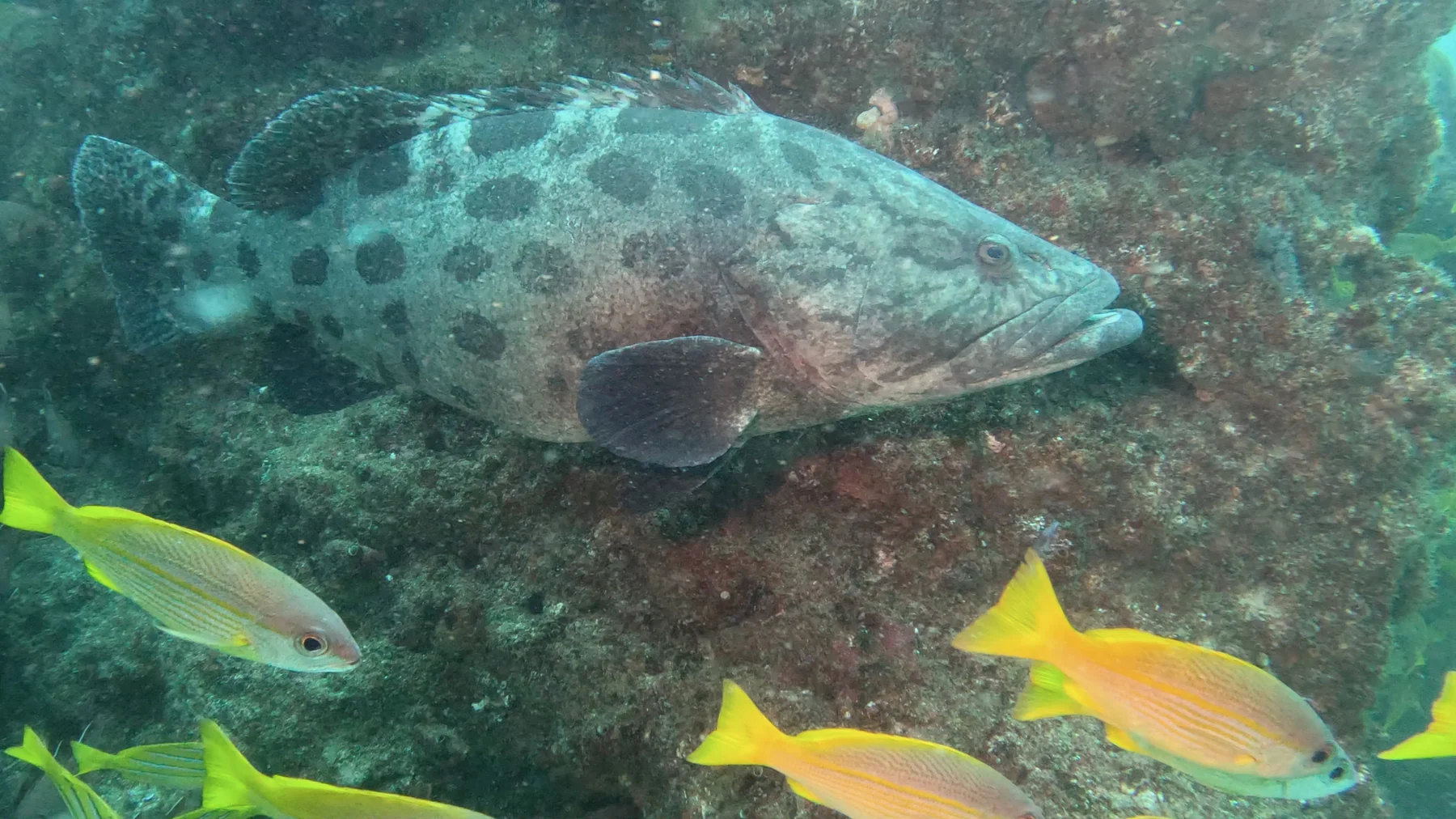
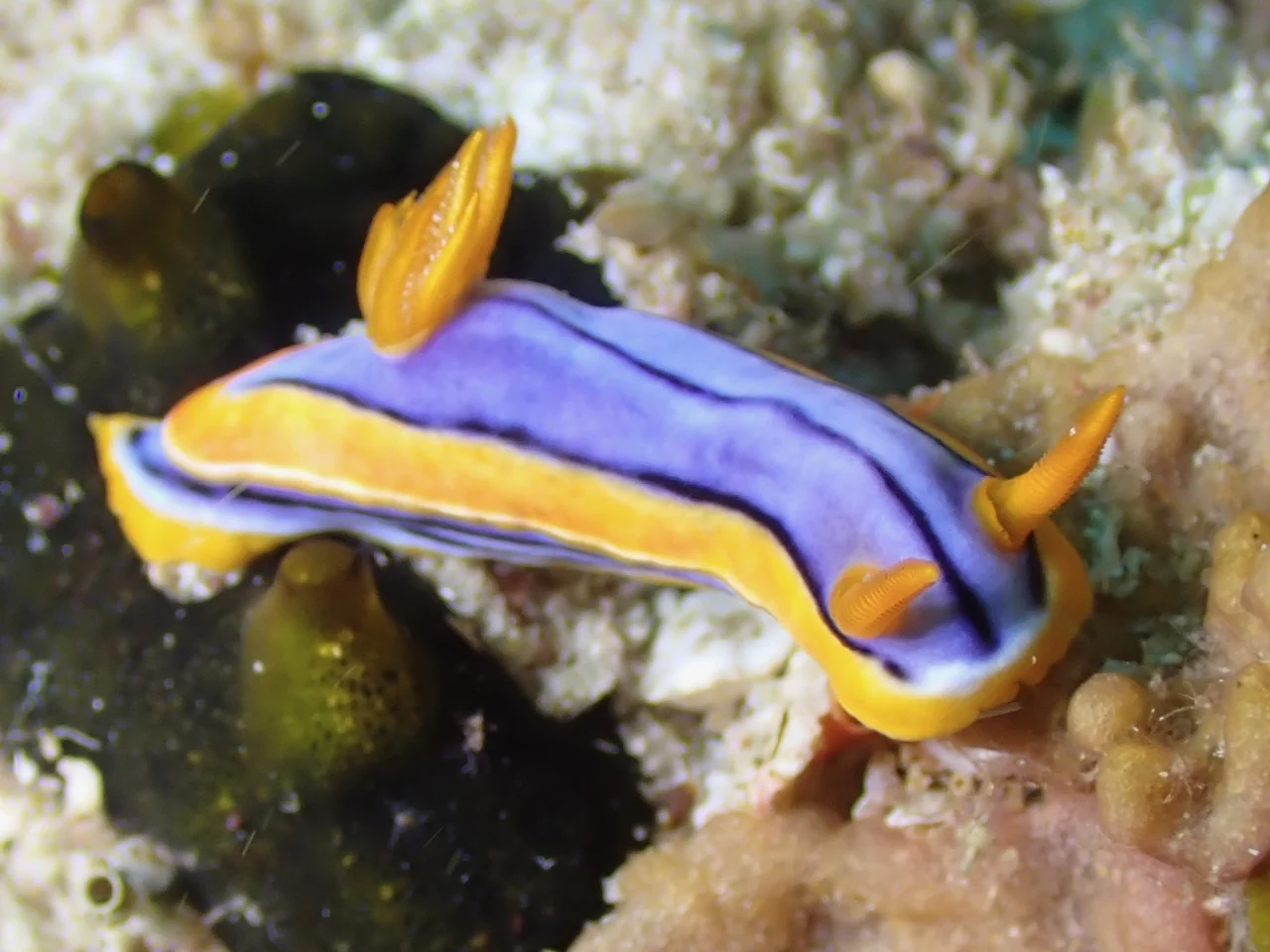
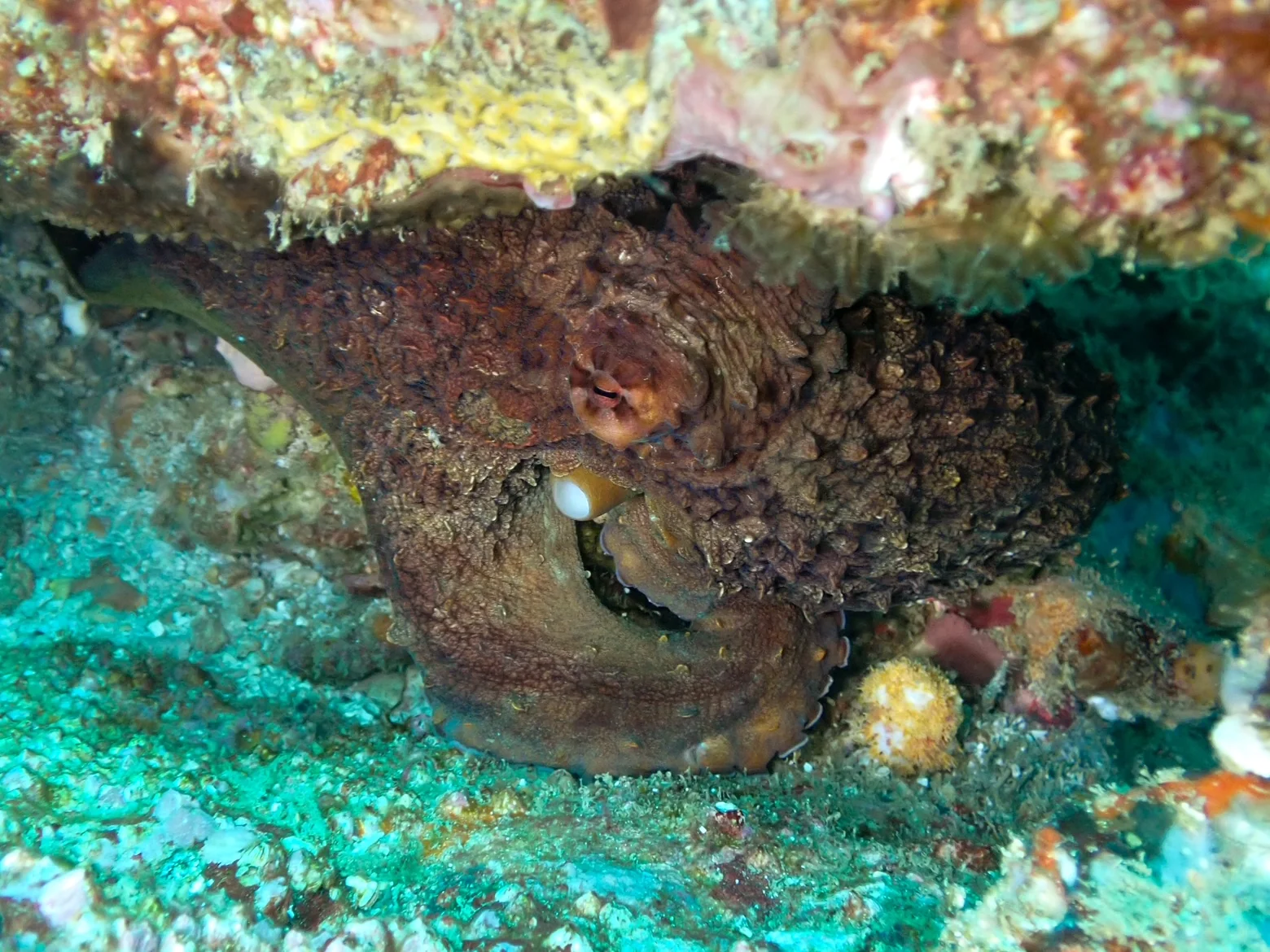
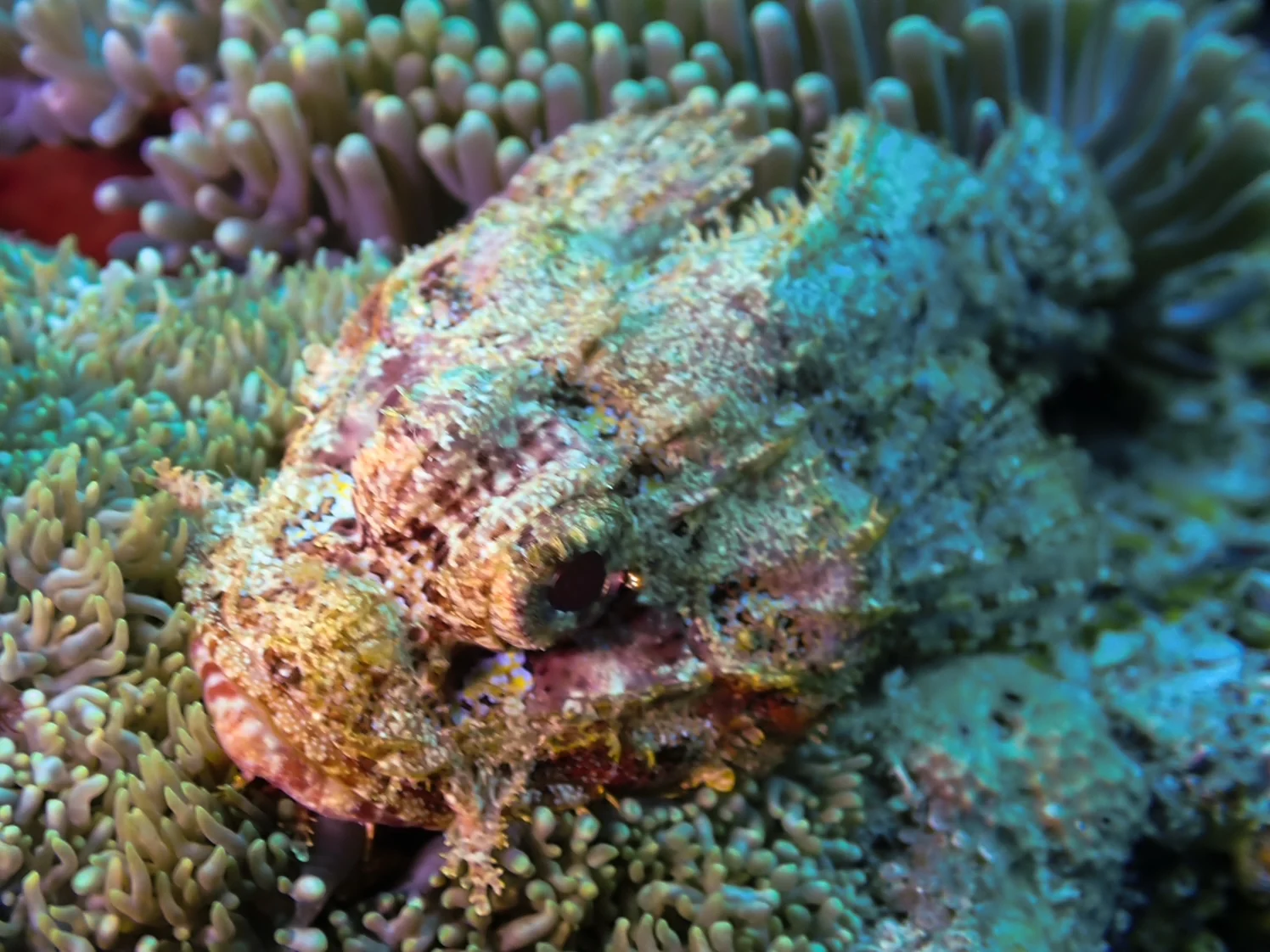
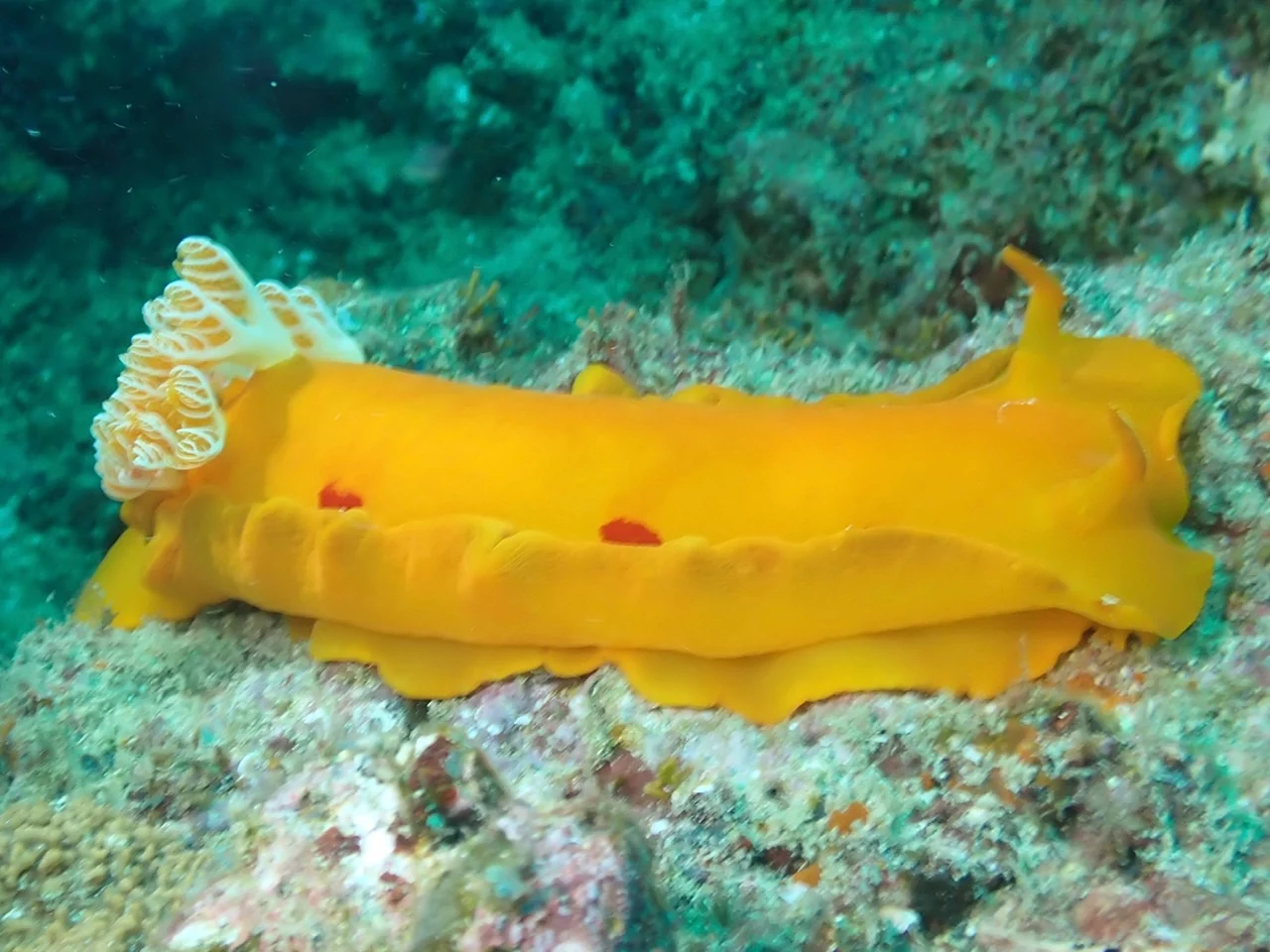
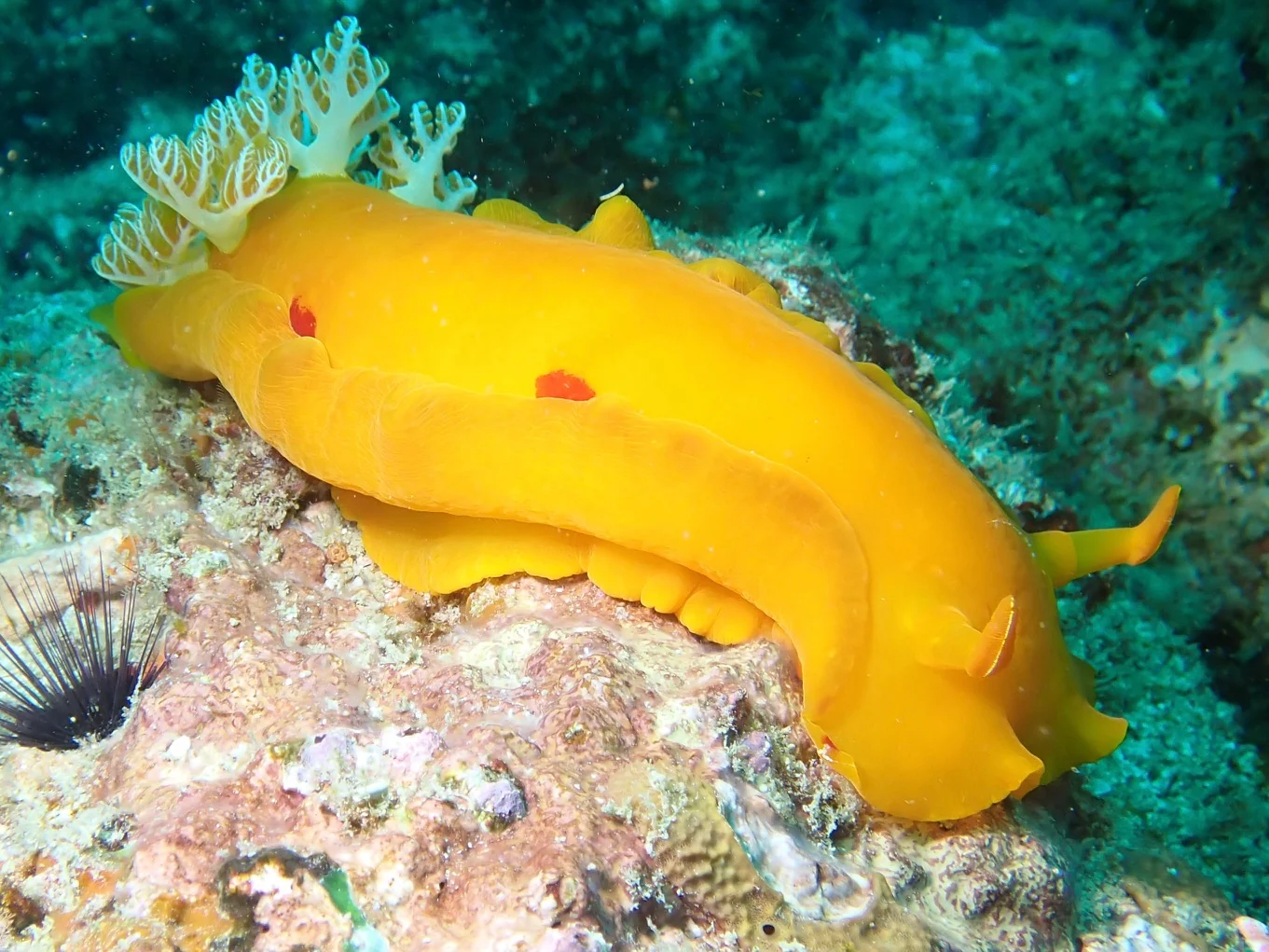
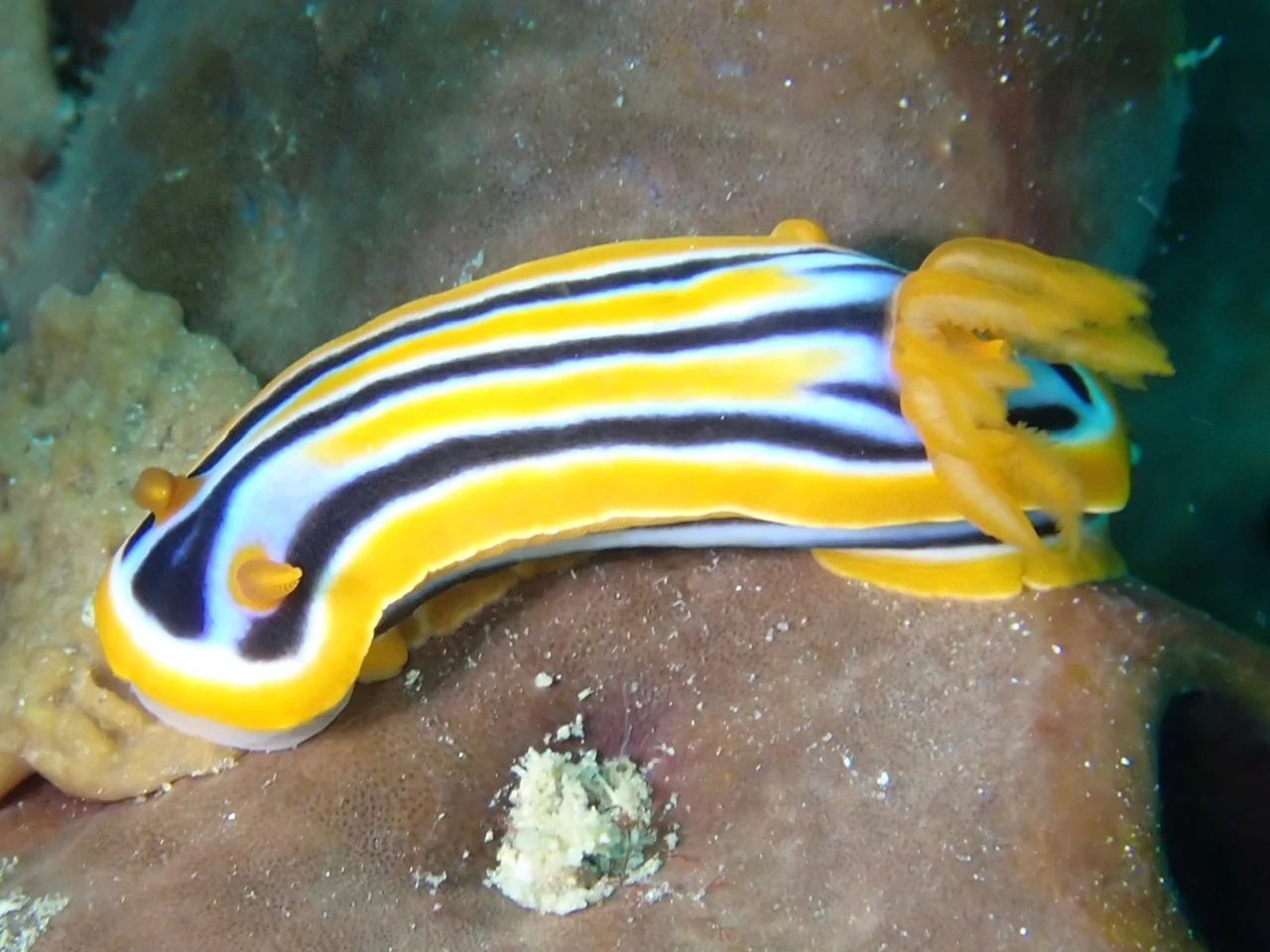
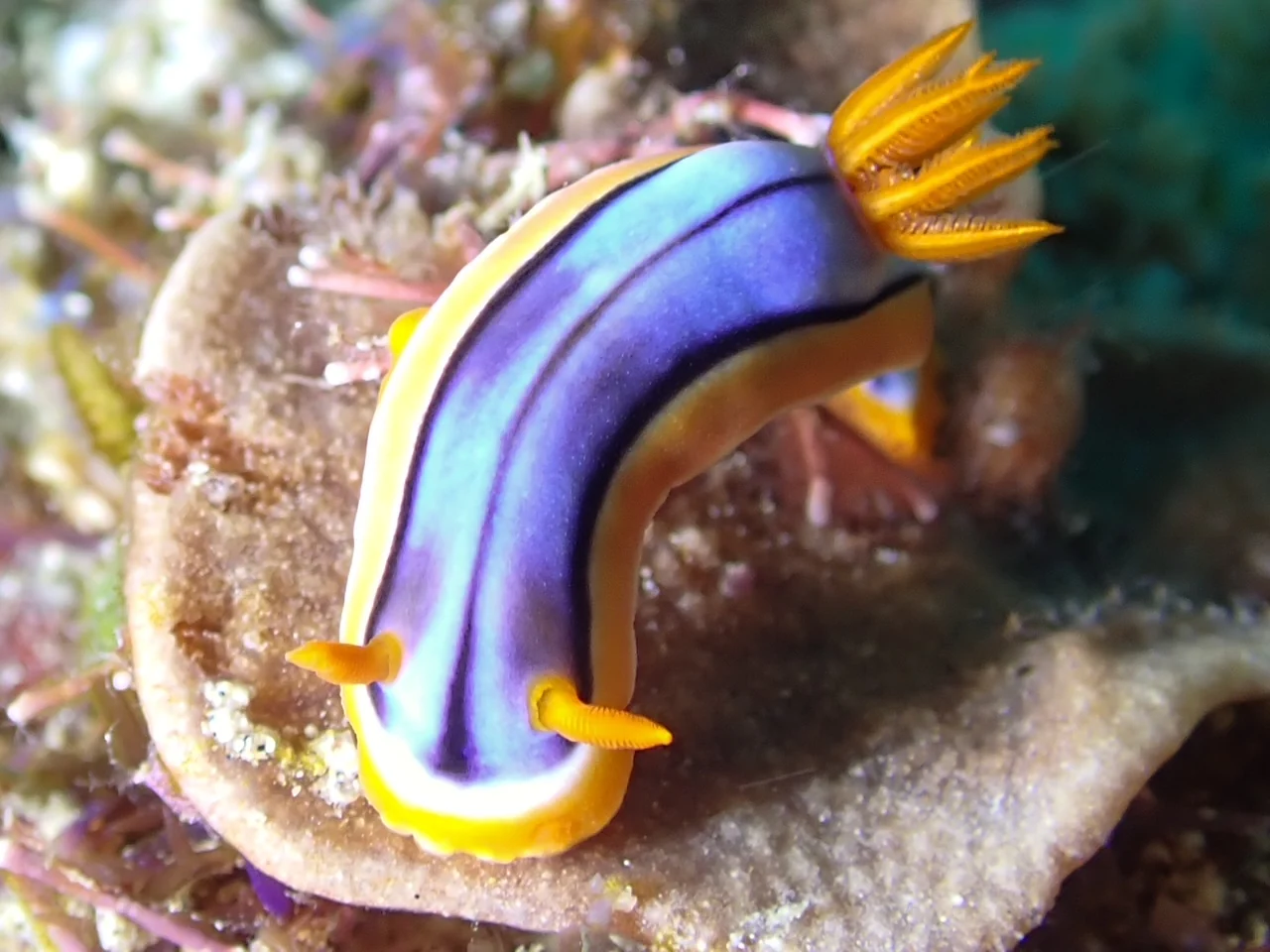
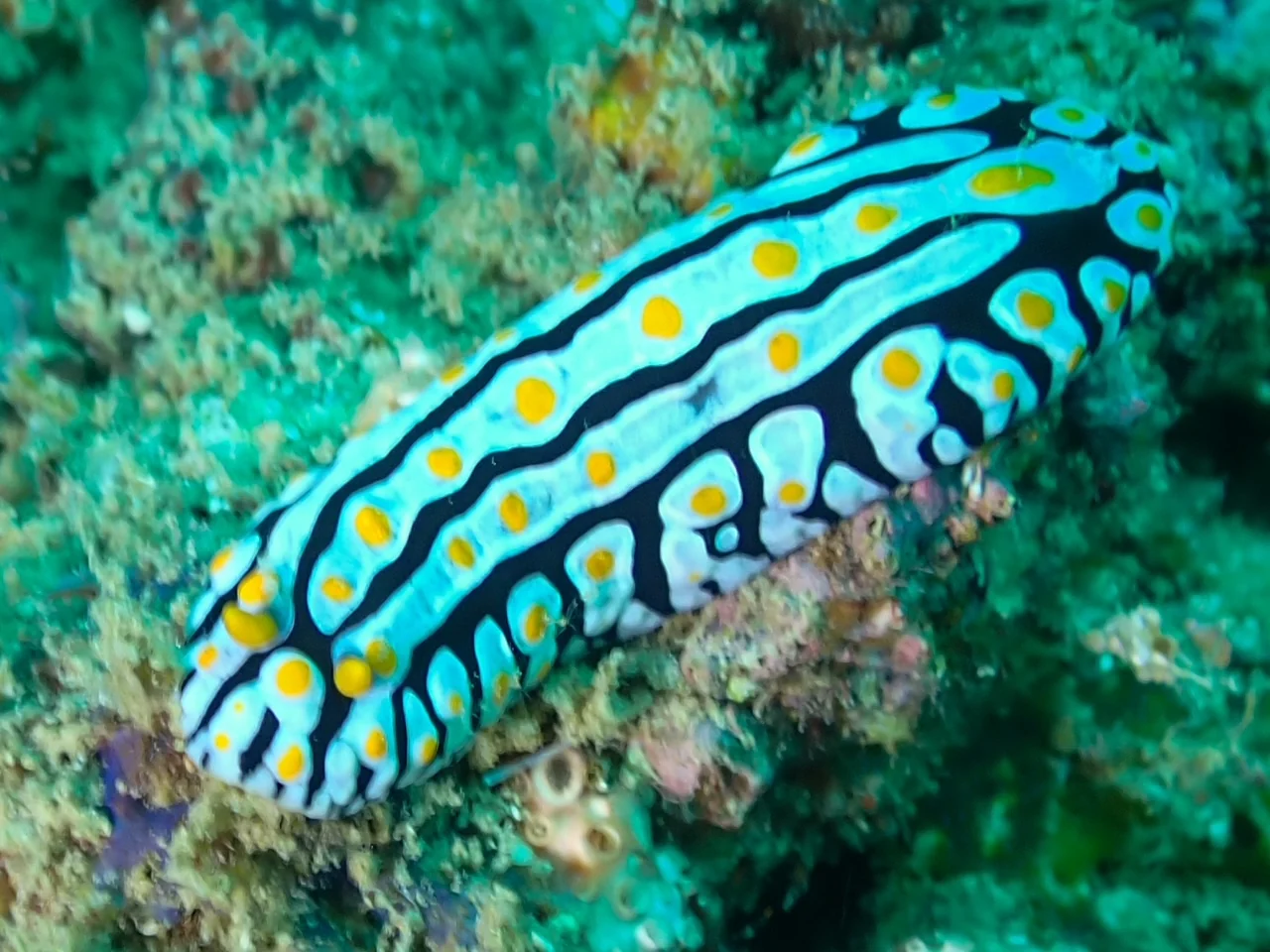
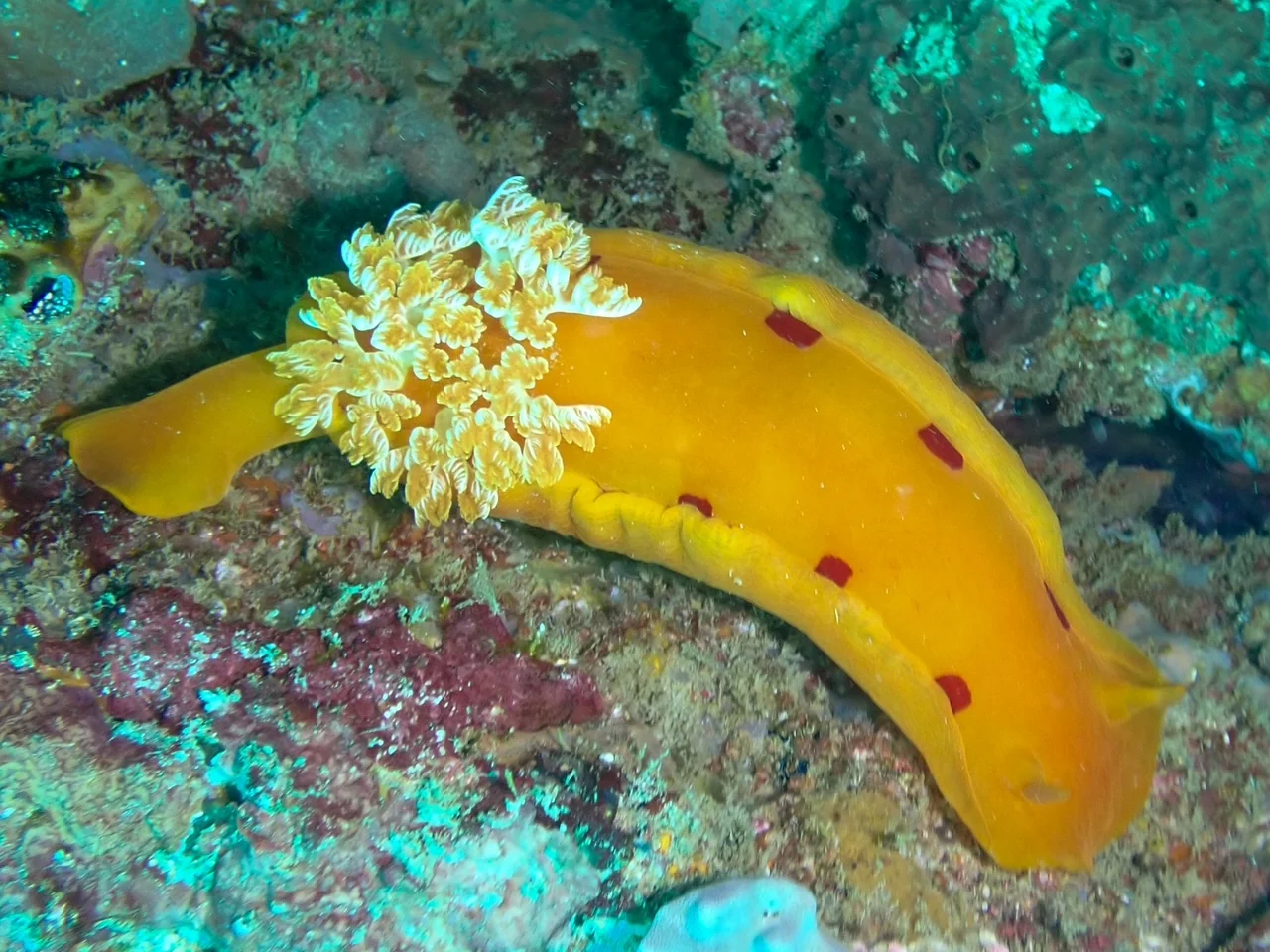
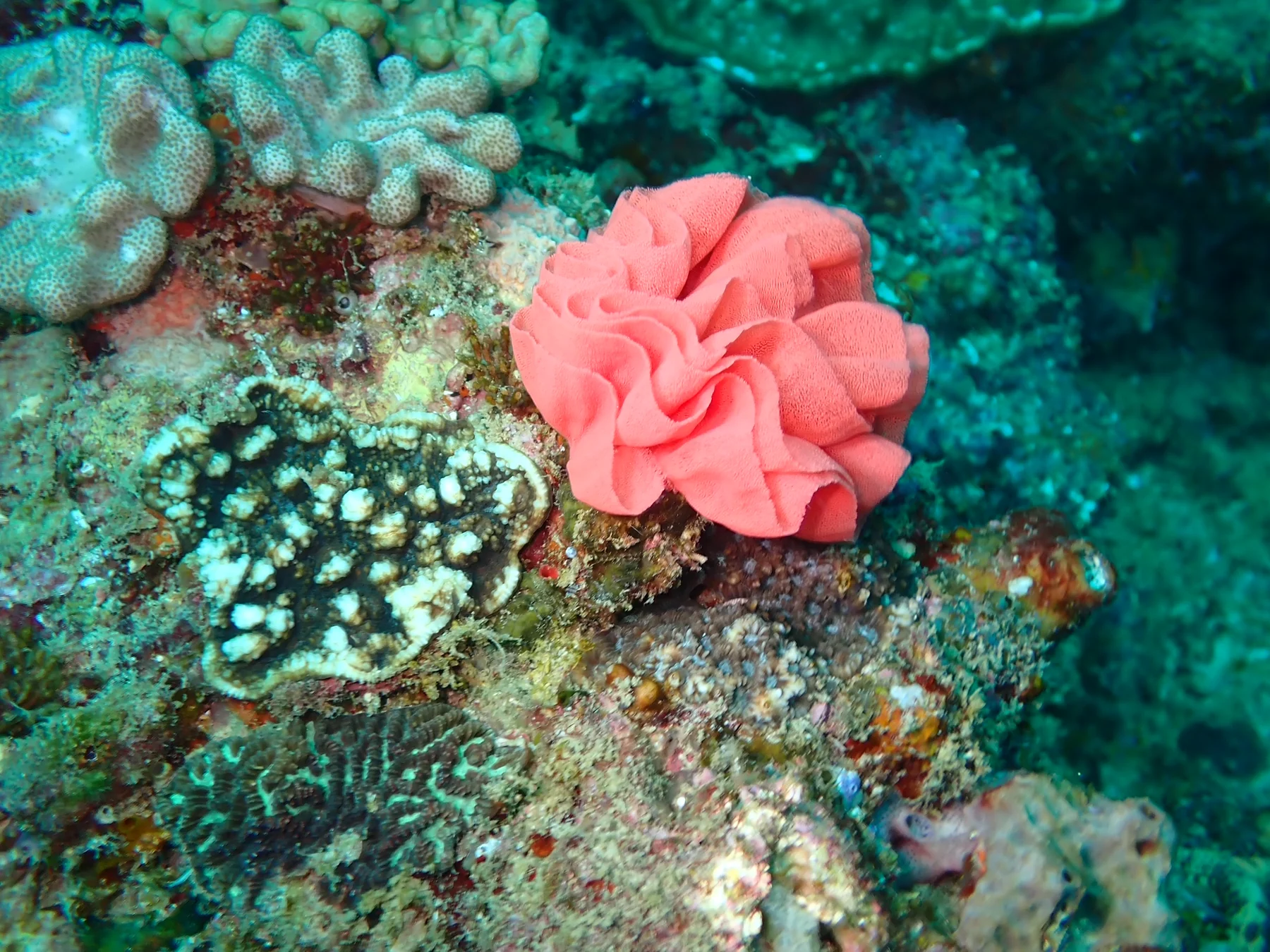
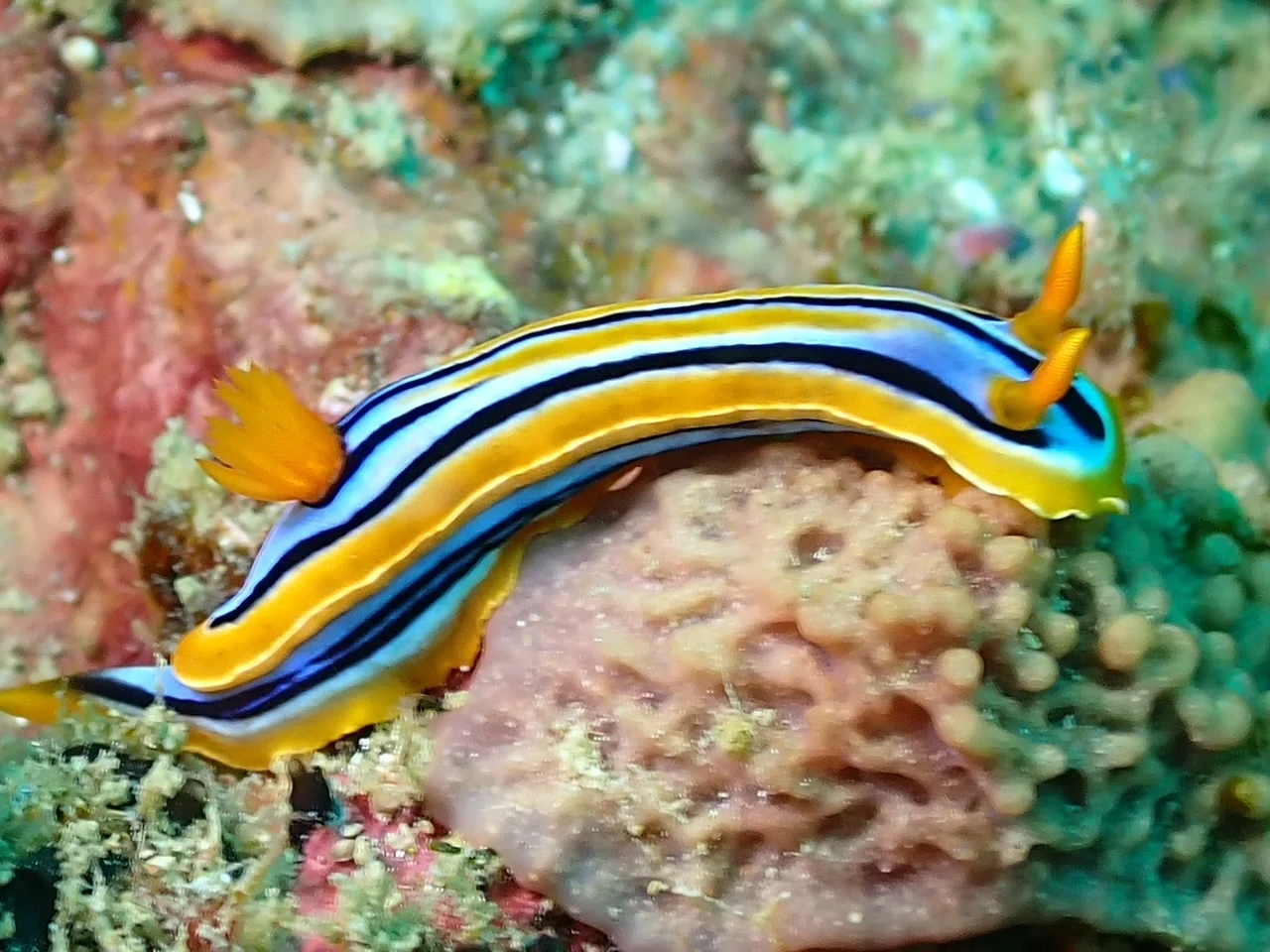
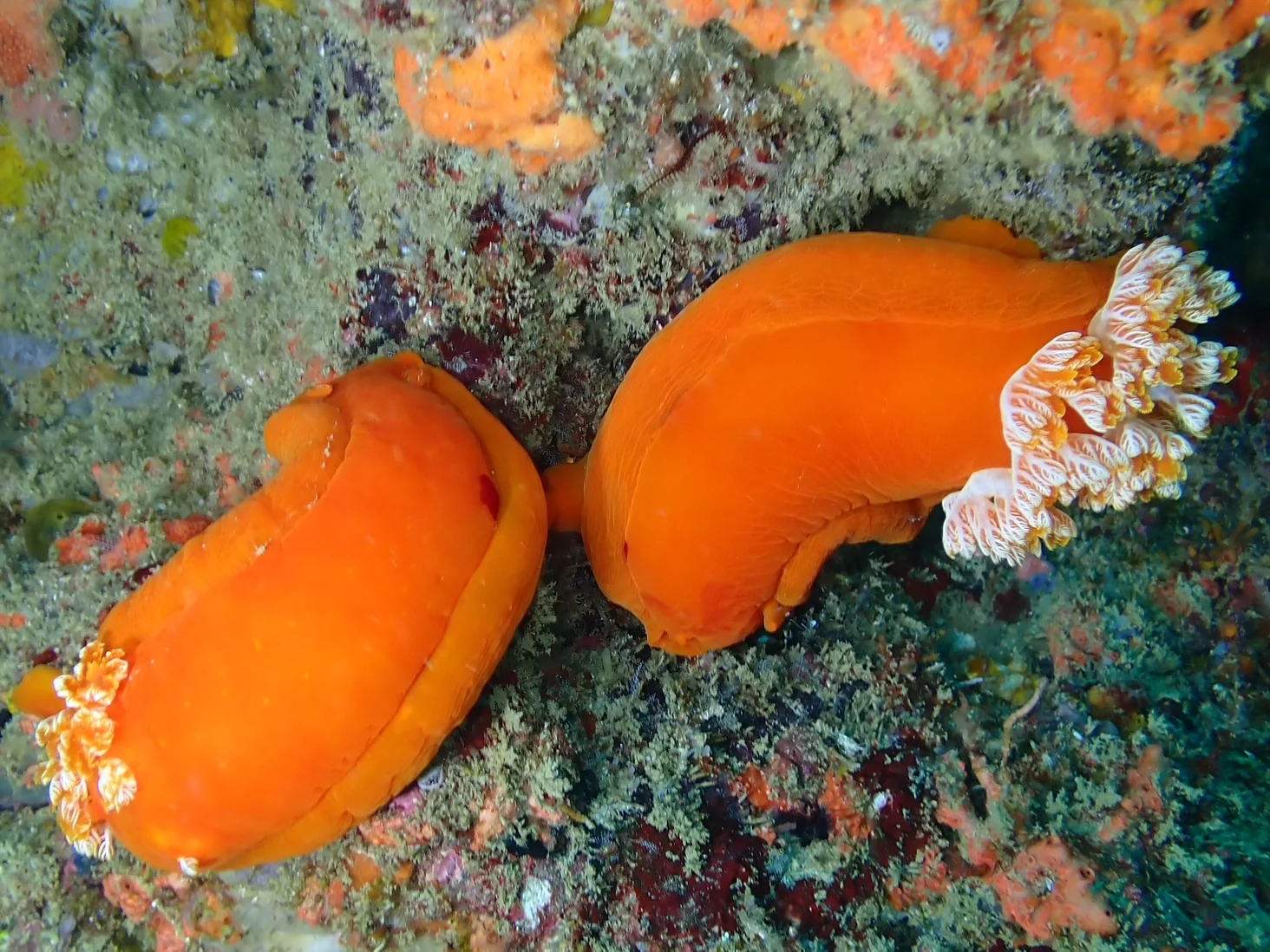
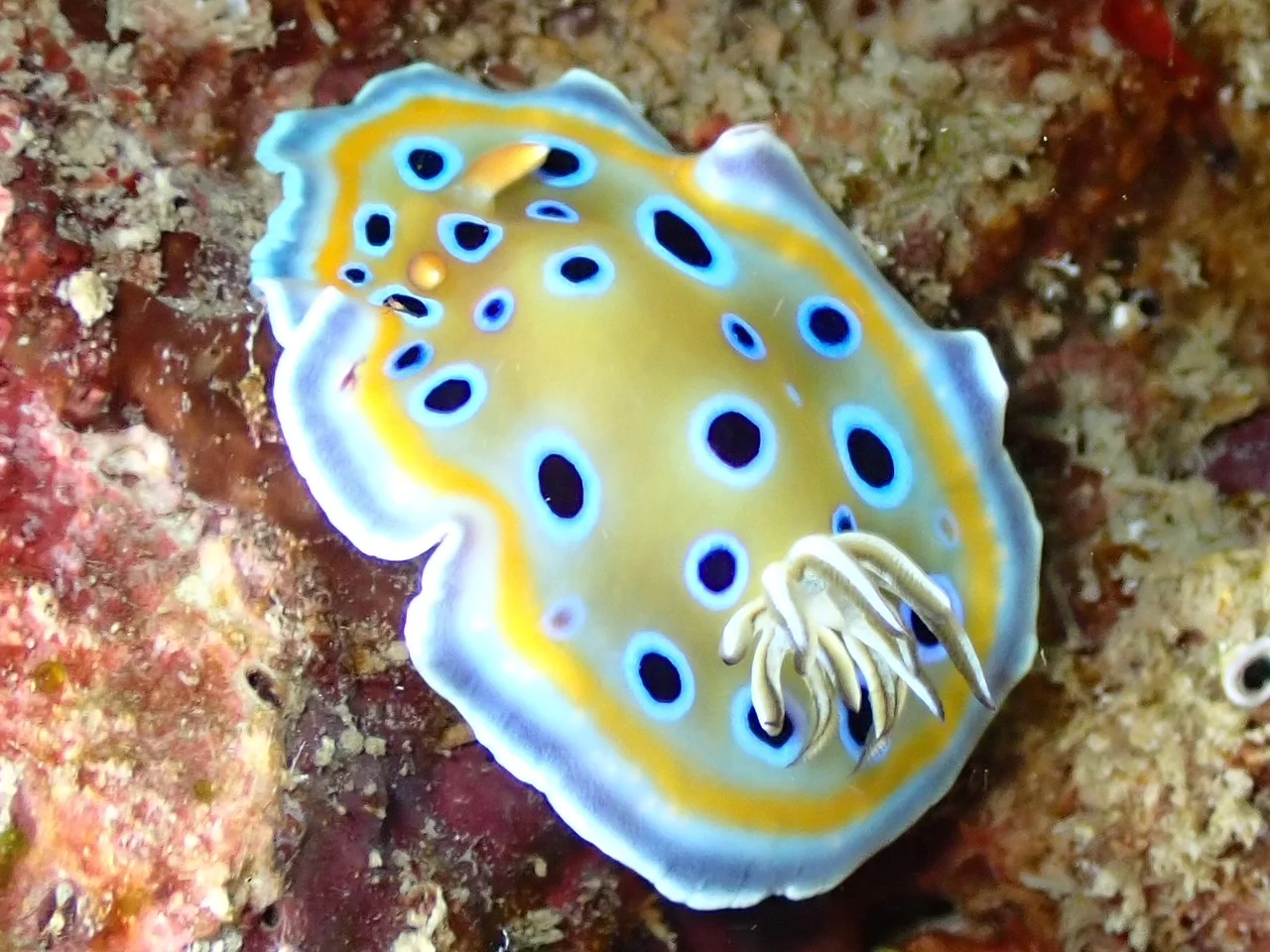
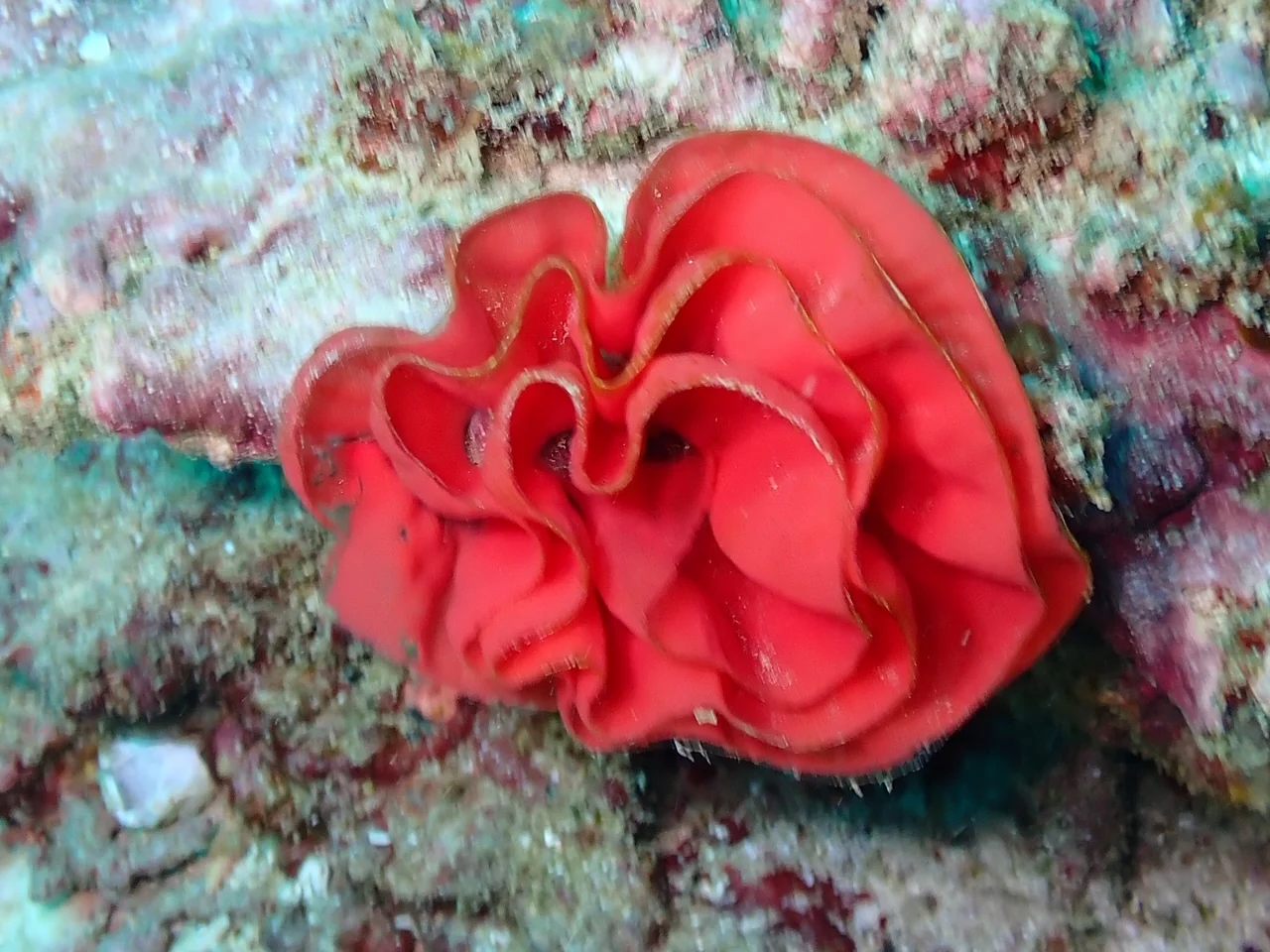
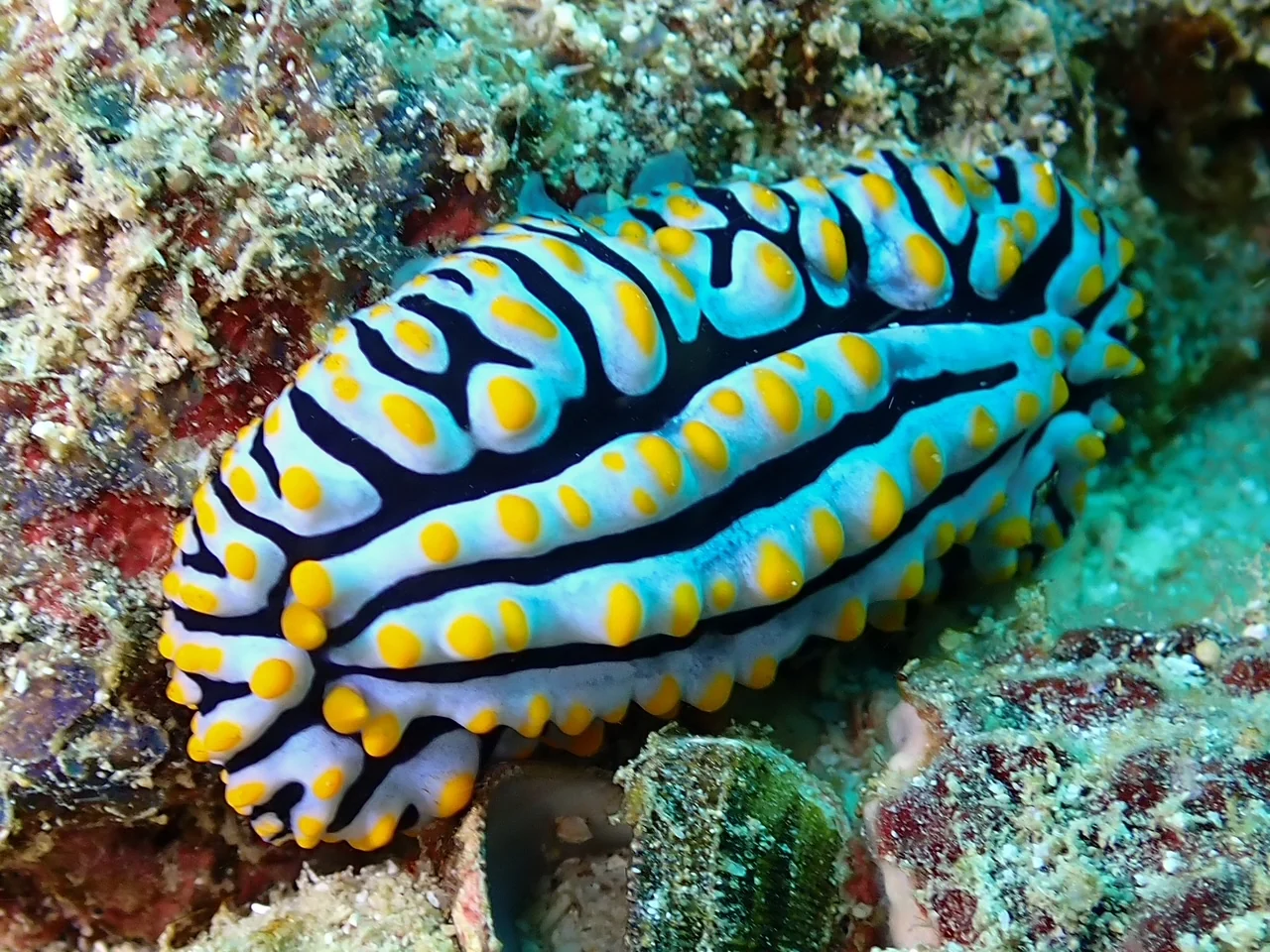
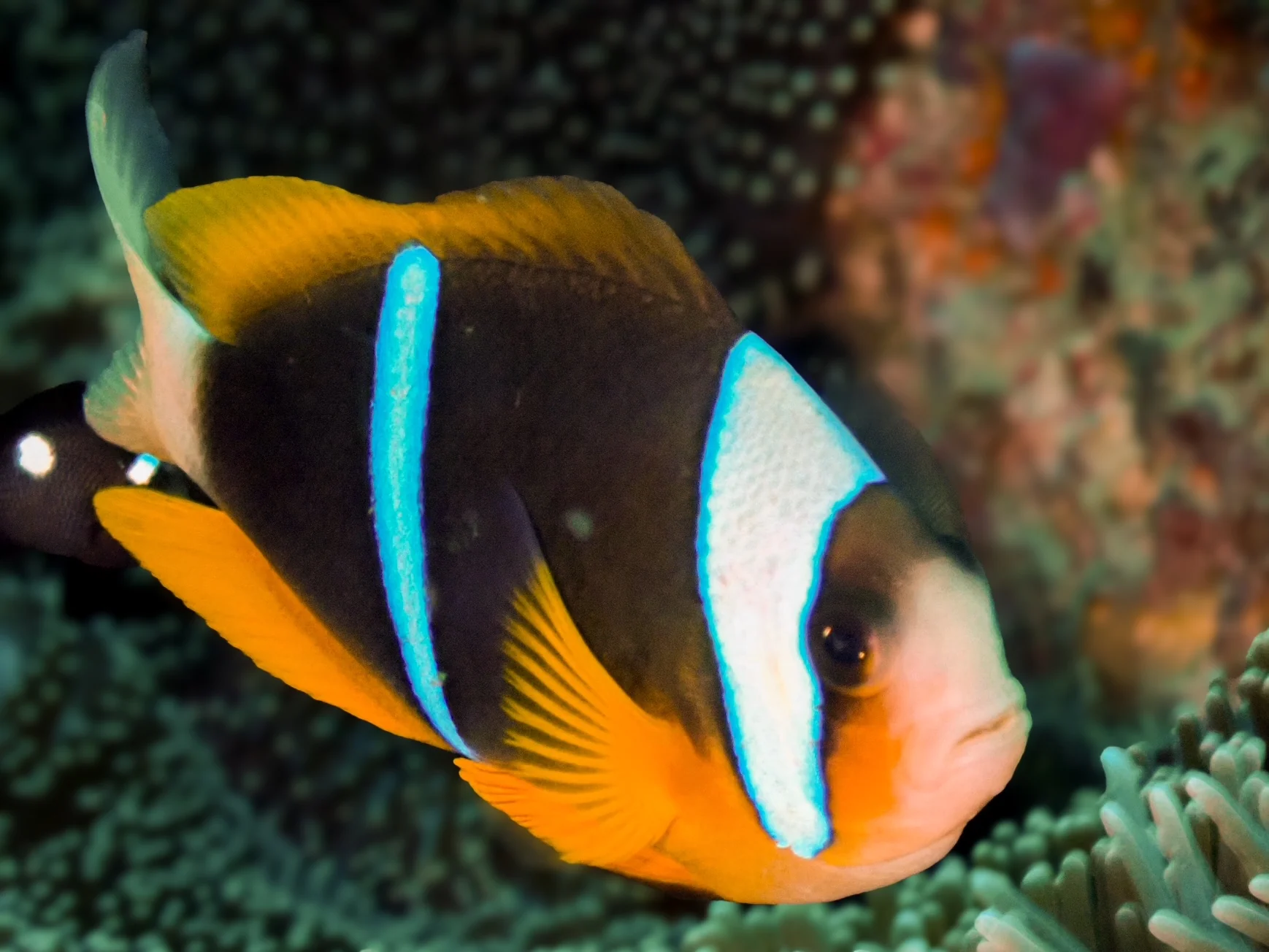
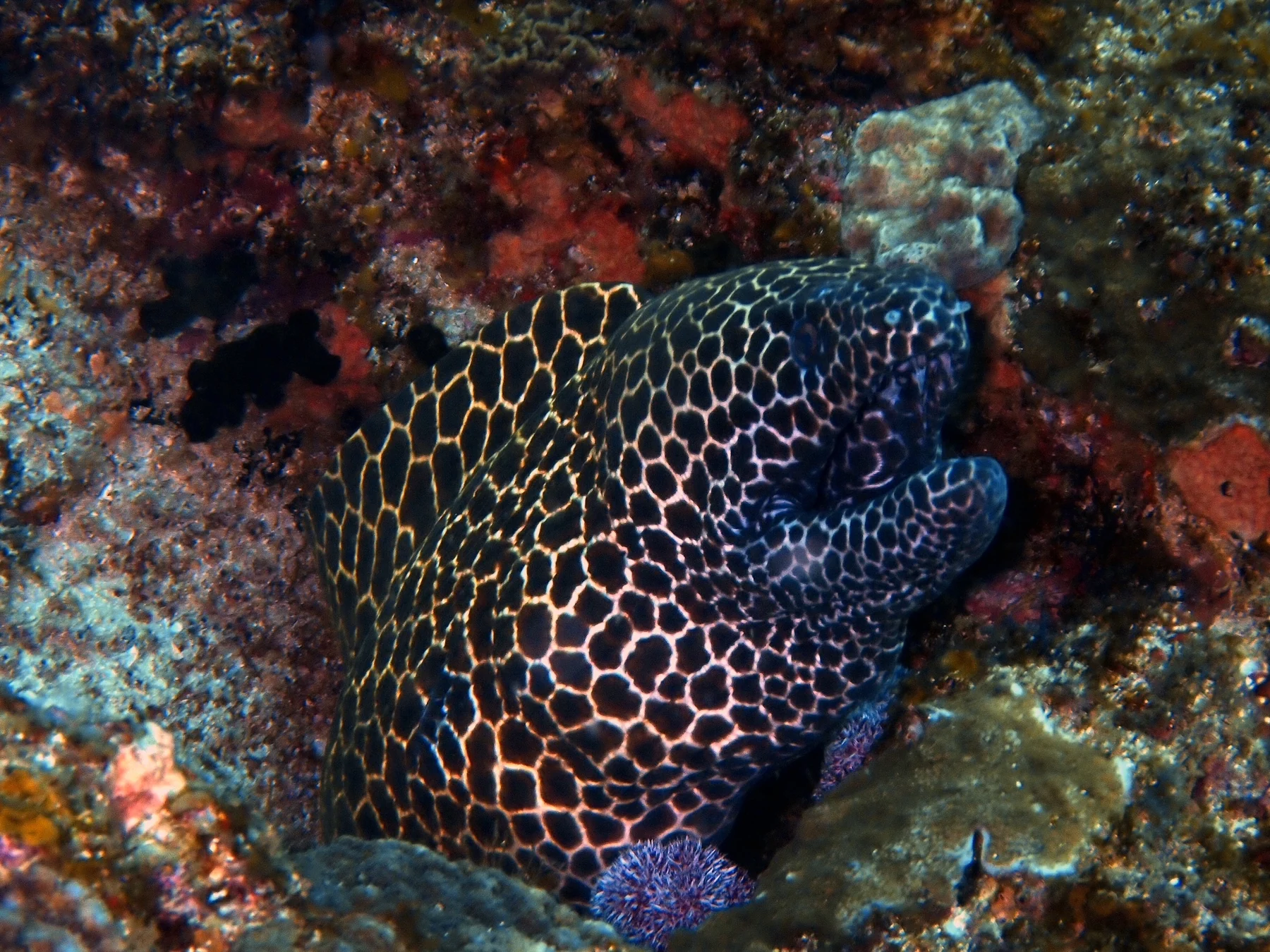
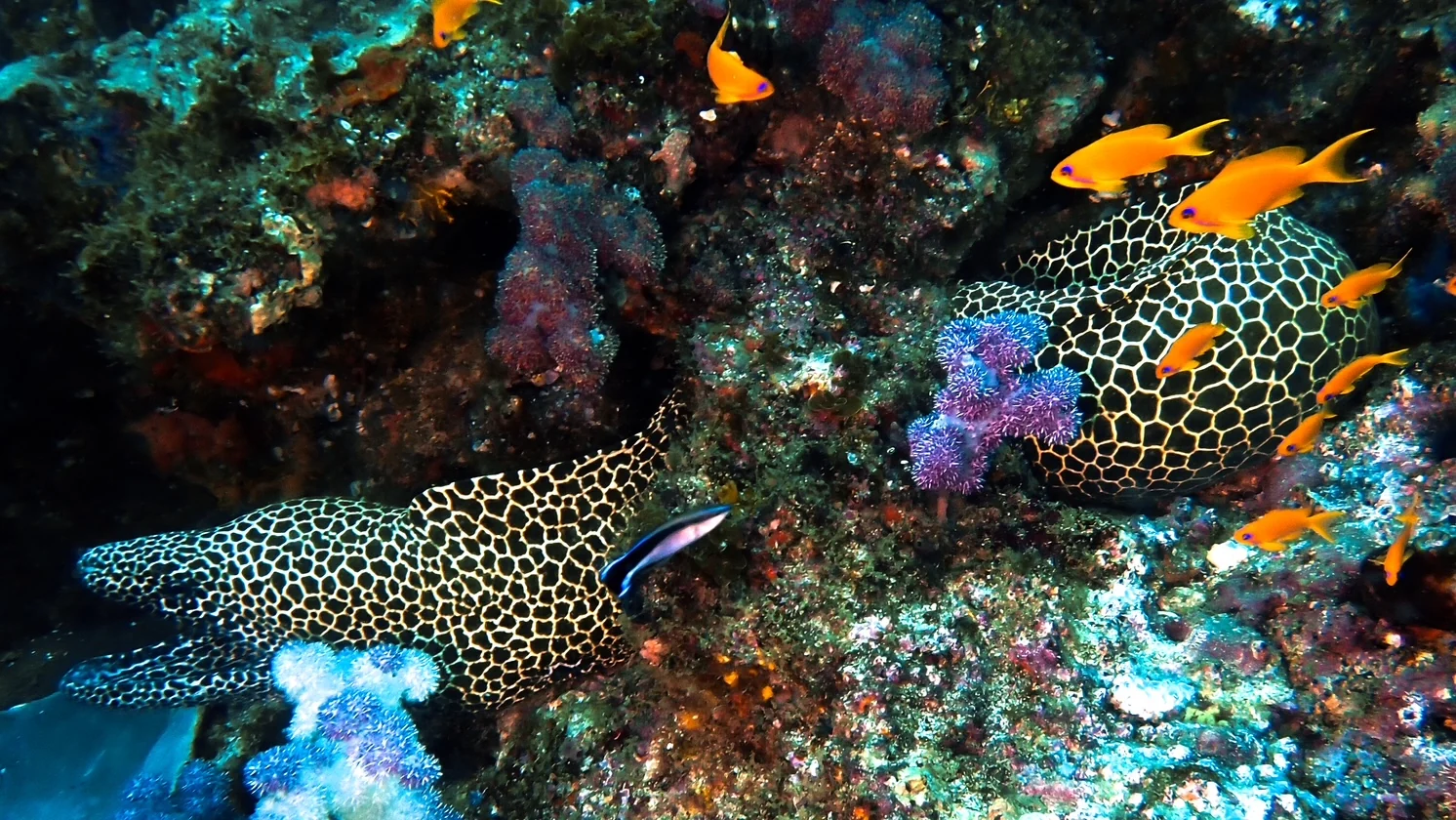
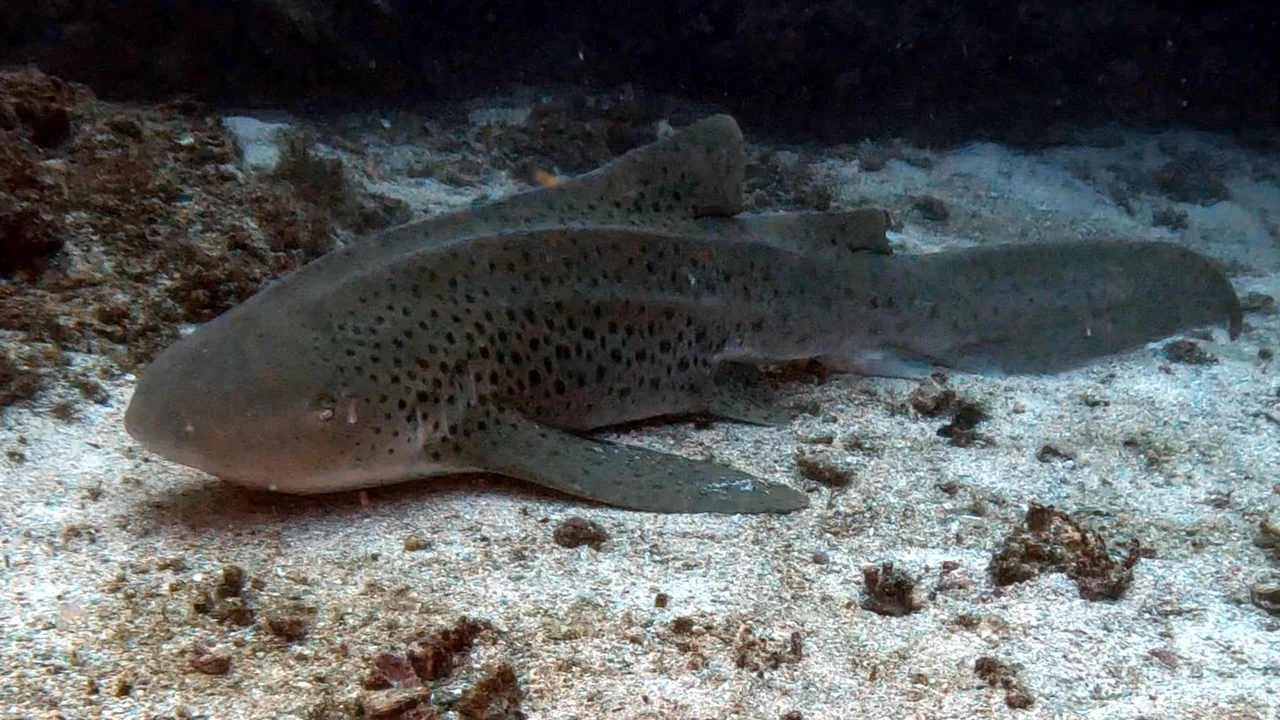
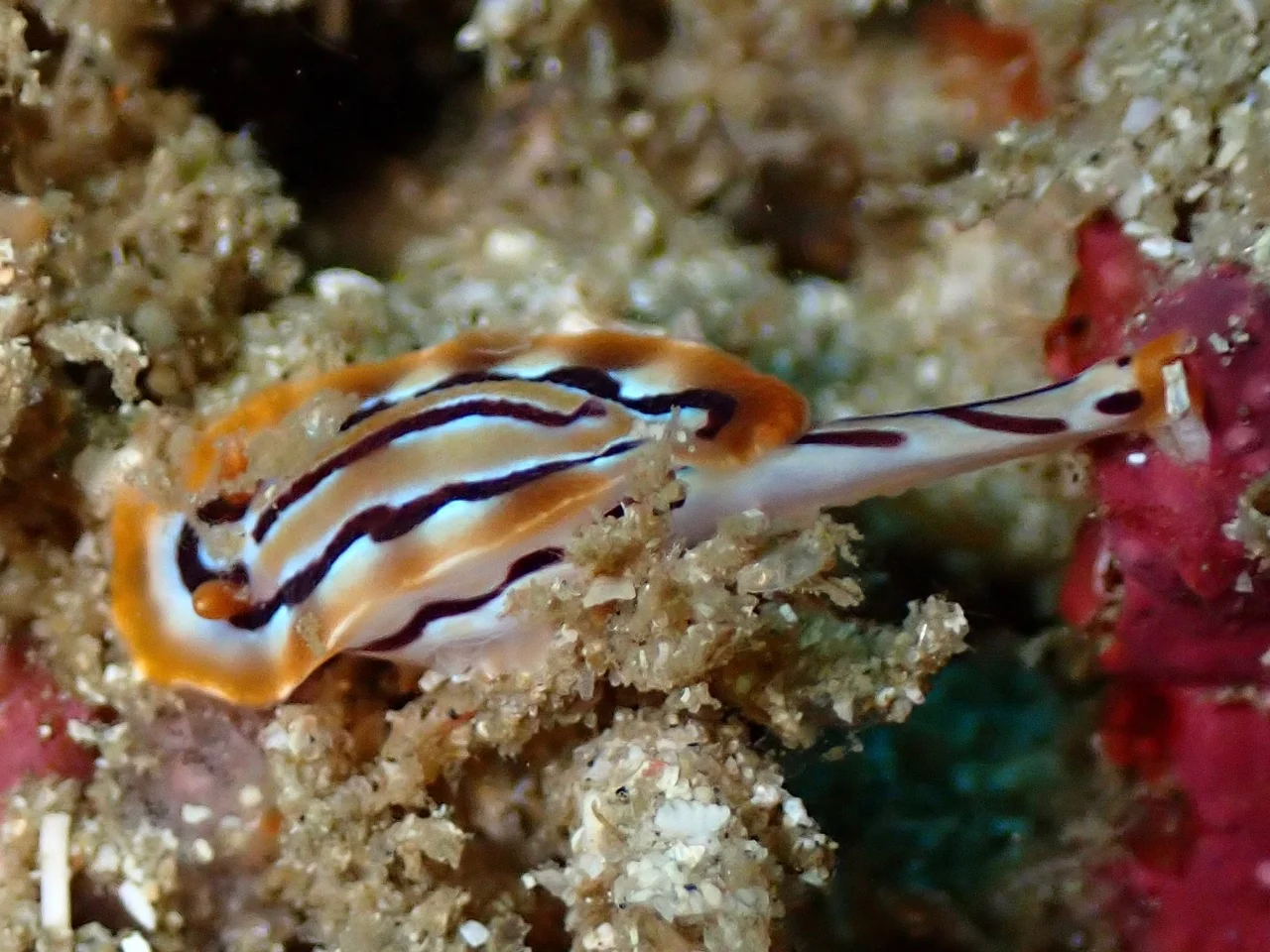
Mozambique is not a classic muck-diving destination in the same way as places like Anilao or Ambon, but it can still offer interesting small subjects alongside broader Indian Ocean reef diving.
MacroDivers is based on real trips, not just a list of famous macro sites. Mozambique adds useful contrast because it shows small-subject photography in a different type of diving destination.
Nudibranchs can be found, but Mozambique should not be approached with the same expectations as dedicated Coral Triangle macro destinations.
Photographers should expect a broader reef-diving destination, with macro opportunities depending on the site, conditions and how carefully you look.
Anilao and Ambon are more focused macro and critter destinations. Mozambique offers a different Indian Ocean diving experience where macro is part of the story rather than the whole focus.