TG-7 camera
- Mode: Aperture Priority / A Mode for general macro
- Aperture: f/8 as my normal starting point
- File type: RAW + JPEG
- ISO: 100
- Focus mode: AF-S
- Focus: AF Super Macro
- Image stabilisation: on
- Drive: single shot
- Saved setup: C1
Underwater Macro Photography
A practical, travel-friendly underwater imaging system built around the OM System Tough TG-7, PT-059 housing, Backscatter Mini Flash 2 and Kraken TR-8 tray. For wider reef scenes and video, we also mount a GoPro Hero 11 in a dedicated underwater housing on the cold shoe of the PT-059 housing.
Why This Setup Works
Underwater macro photography rewards patience, stability and the ability to get close. For nudibranchs, shrimps, frogfish, seahorses and other small subjects, a compact system can often be more practical than a large interchangeable-lens setup.
This setup is designed for real diving rather than studio-style perfection. It is compact enough for travel, easy to handle on a muck dive, and quick to position when a guide points out a tiny subject on sand, rubble or coral. The TG-7 gives strong close-focus capability, the PT-059 housing protects and expands the camera for scuba use, the Backscatter Mini Flash 2 provides clean directional light, and the Kraken TR-8 tray makes the system steadier in the water.
Camera Body
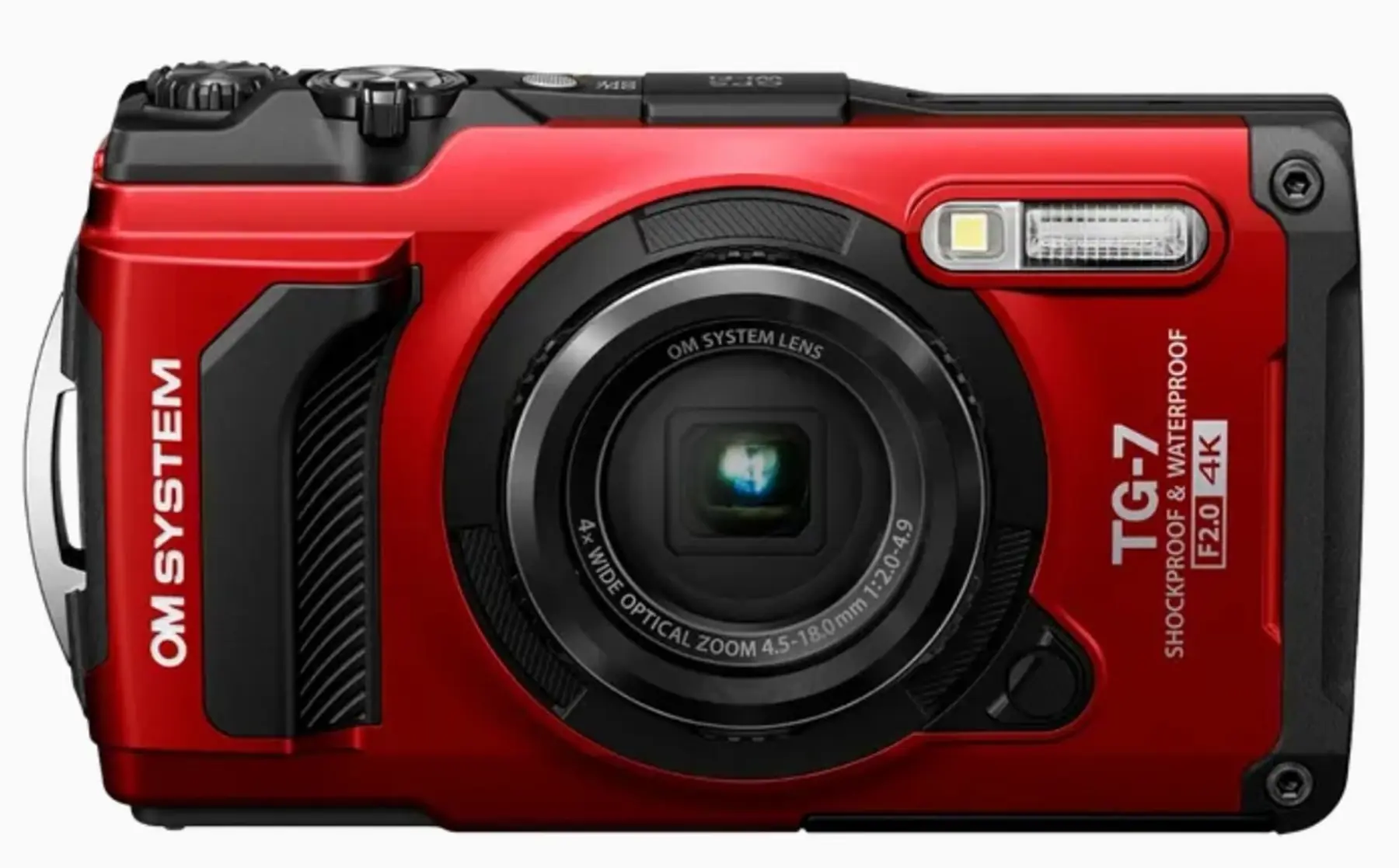
The OM System Tough TG-7 is one of the most useful compact cameras for underwater macro because it focuses extremely close, is simple to operate, shoots RAW, and is rugged enough to tolerate the knocks and moisture that come with dive travel.
Its biggest strength for MacroDivers is the close-focus system. The TG-7 can focus down to around 1 cm in its macro modes, which makes it excellent for nudibranchs, tiny shrimps, fish portraits and detail shots where a larger system may struggle to frame and light the subject cleanly.
The camera is not perfect. It has a small sensor, so lighting and careful technique matter. But that is also why it pairs so well with a dedicated macro strobe. Once the flash is configured well, the TG-7 becomes a very capable underwater macro tool rather than just a rugged holiday camera.

Underwater Housing
Although the TG-7 is waterproof on its own, the PT-059 housing is the sensible choice for scuba diving. It increases the practical dive depth, gives better physical protection, provides larger underwater controls, and allows the use of trays, fibre-optic strobes and wet accessories.
For macro photography, the housing is especially useful because it gives a stable platform for lighting. The built-in camera flash can trigger the external strobe through a fibre-optic cable, while the tray and handles help keep the camera still at close range.
Video System
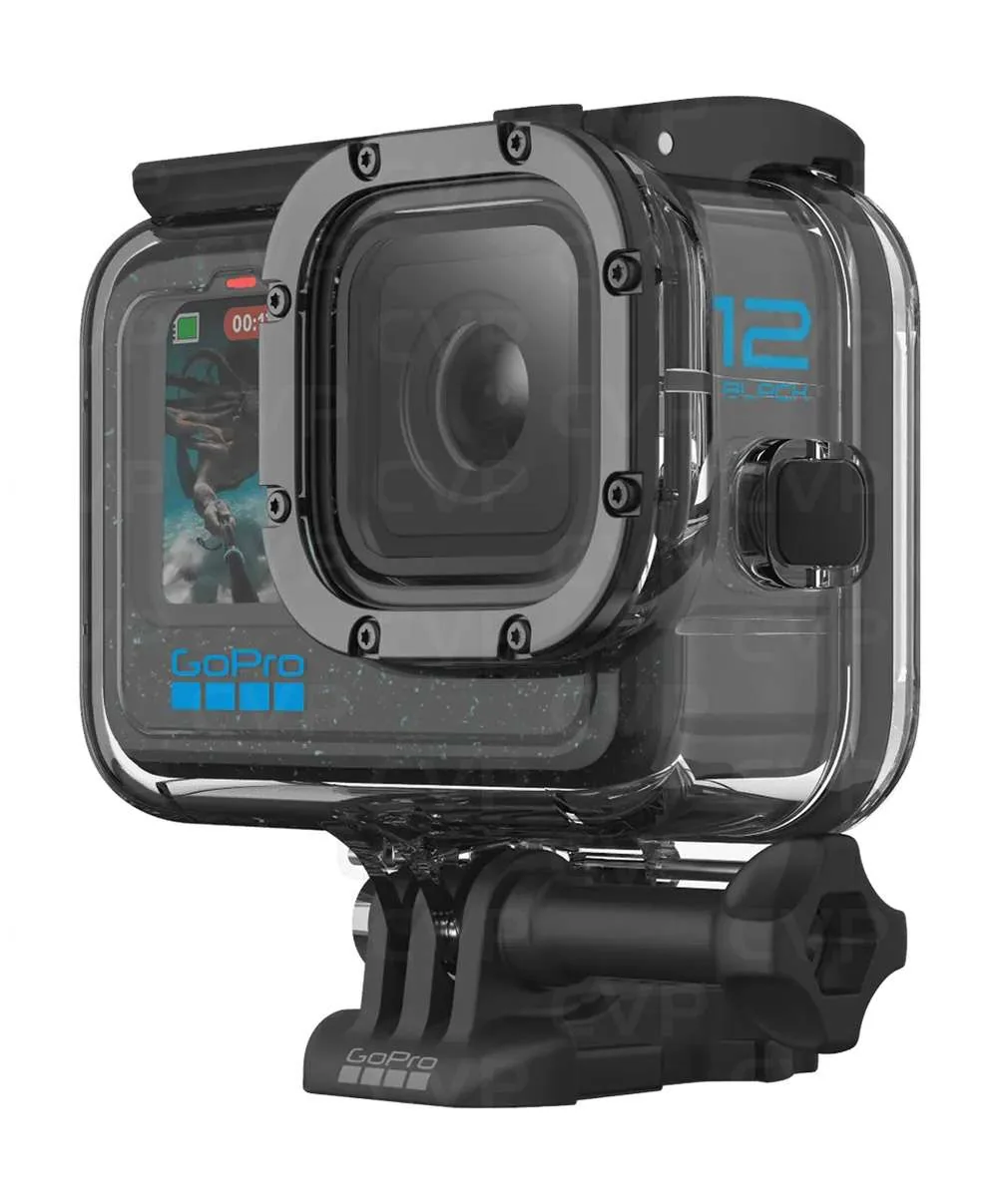
While the TG-7 is our primary camera for underwater macro photography, we also carry a GoPro Hero 11 in a dedicated underwater housing mounted on the cold shoe of the PT-059 housing.
The GoPro serves a different purpose. Rather than photographing nudibranchs, shrimps and other small subjects, it is used to capture wider reef scenes, diver interactions, marine life encounters and general dive video.
Mounting the GoPro directly on the housing creates a compact, travel-friendly system that allows us to capture both still photographs and video during the same dive without carrying a second camera rig.
Lighting
The Backscatter Mini Flash 2 is a compact underwater strobe built with macro photography in mind. It is small enough to keep the TG-7 system travel-friendly, but powerful enough to bring back colour, contrast and crisp detail when shooting small subjects underwater.
It pairs particularly well with the TG-7 because the camera can use its internal flash to trigger the strobe via fibre-optic cable. This keeps the system simple and reliable. The Mini Flash 2 also works well with Backscatter's macro accessories, including snoot-style lighting for black-background and creative macro images.
For best results, treat the strobe as your main light source rather than just a little fill flash. Keep the strobe close to the lens axis for tiny subjects, then angle it slightly outward to reduce backscatter from sand or particles in the water.


Tray and Handling
The Kraken TR-8 tray gives the TG-7 housing a more stable platform underwater. That matters more than people think. At macro distance, tiny movements are magnified, so a tray and handles help with framing, steady shooting and repeatable strobe positioning.
A tray also makes the whole system easier to carry, pass up to a boat crew, and configure with arms or clamps. The aim is not to make the compact camera bulky; it is to make it controllable.
Recommended Starting Point
These are the settings I normally start a dive with. They are saved to C1 so the camera is predictable before I enter the water. They are starting settings, not magic settings.
On a macro dive, the goal is to keep the system simple. Set the camera before entering the water, select the setup saved to C1 and test the strobe at the surface. I normally start in A Mode at f/8 and ISO 100, with AF Super Macro, AF-S, image stabilisation on and single-shot drive. I use RAW + JPEG and start the MF-2 in Smart Control Macro for ordinary close-up work.
I normally change my position, working distance or strobe angle before I start changing camera settings underwater. If the subject angle needs a different depth of field, I can change the aperture, but I do not begin every photograph by chasing menus.
Before entering the water, use our pre-dive safety check for underwater photographers. During the dive, keep camera awareness and underwater photography task loading under control before concentrating on a photograph.
Practical Advice
Many TG-7 images fail not because the camera is weak, but because the light is too flat, too harsh, or coming from the wrong angle. The Mini Flash 2 gives you control over colour, contrast and separation. Once you learn to move the strobe before changing the camera settings, the quality of your macro images improves quickly.
For MacroDivers, this setup is about repeatability. It is small enough to take on every dive, capable enough for serious macro, and simple enough that you can focus on the animal rather than fighting the equipment.
Camera Guides
These articles expand on the camera setup above, with practical settings and technique advice for underwater macro photography, reef video and general underwater shooting.
Our exact TG-7 and Backscatter Mini Flash 2 starting point for nudibranch photography.
A detailed setup guide covering A Mode, TTL, strobe position and subject-specific settings.
How to improve macro images through buoyancy, lighting, focus placement and composition.
Why the TG-7 works so well as a compact travel camera for underwater macro photography.
Best GoPro Hero 10, 11, 12 and 13 settings for reef video and general underwater shooting.
Plain-English explanations of the camera and lighting terms used throughout these guides.
Put the animal, habitat and good buoyancy before the photograph.
Return to the Photography Academy section to explore camera setup, TG-7 guides, lighting, composition and underwater macro photography techniques.
Return to Photography