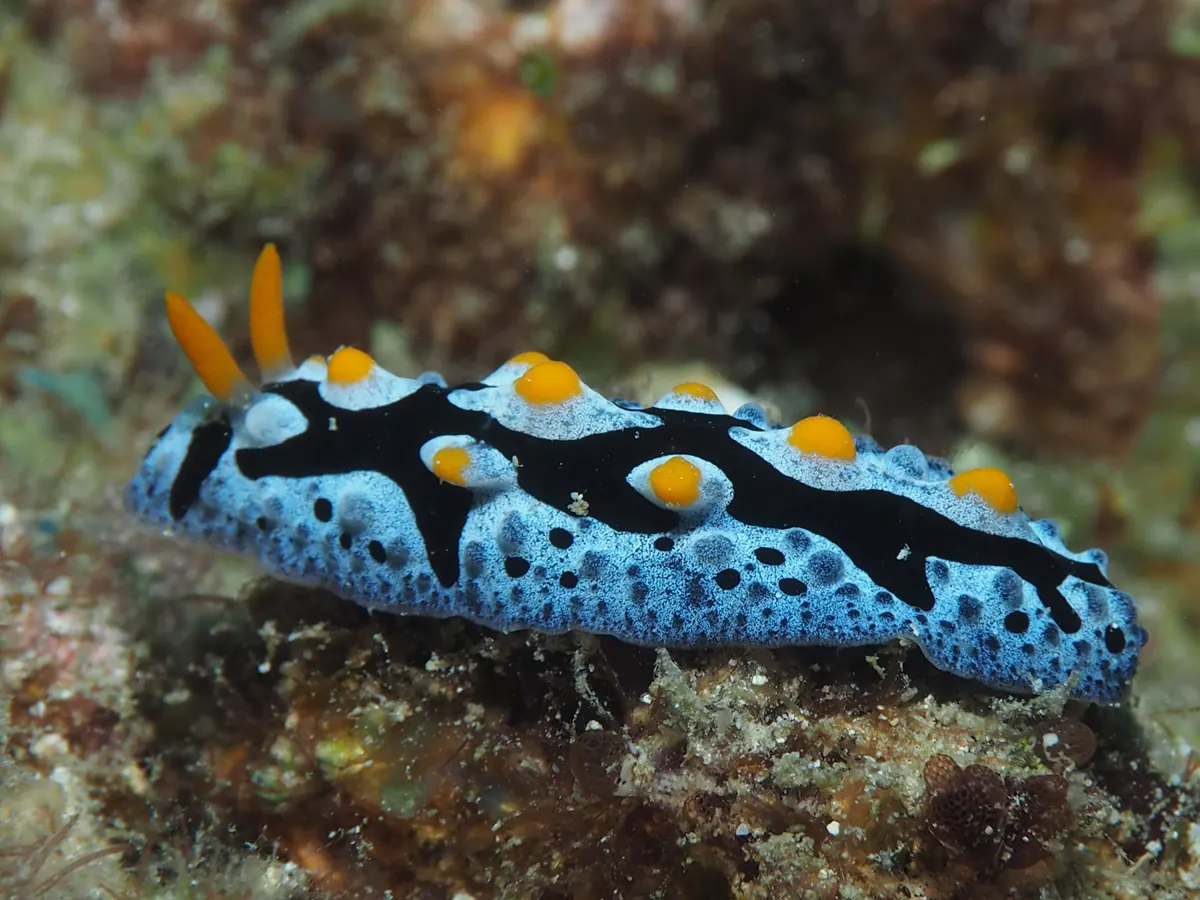
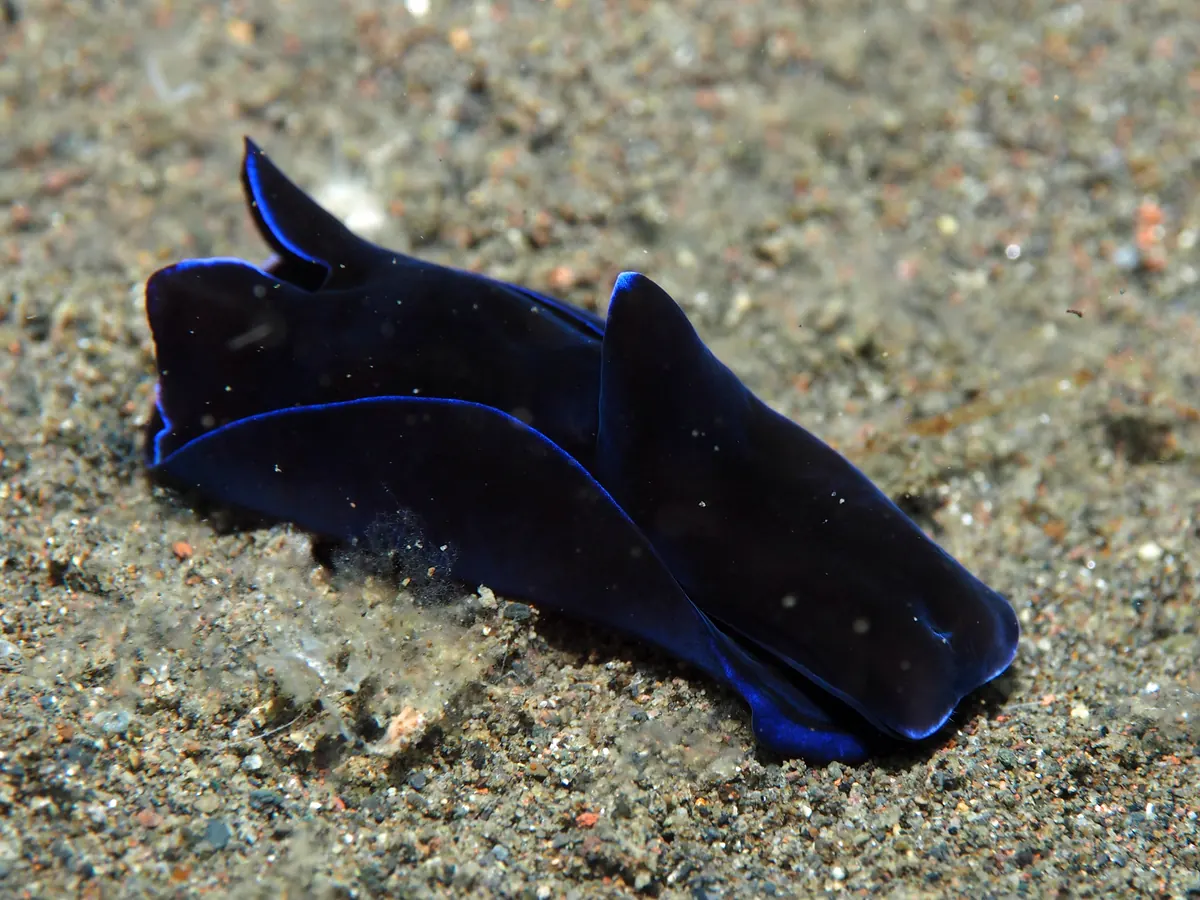
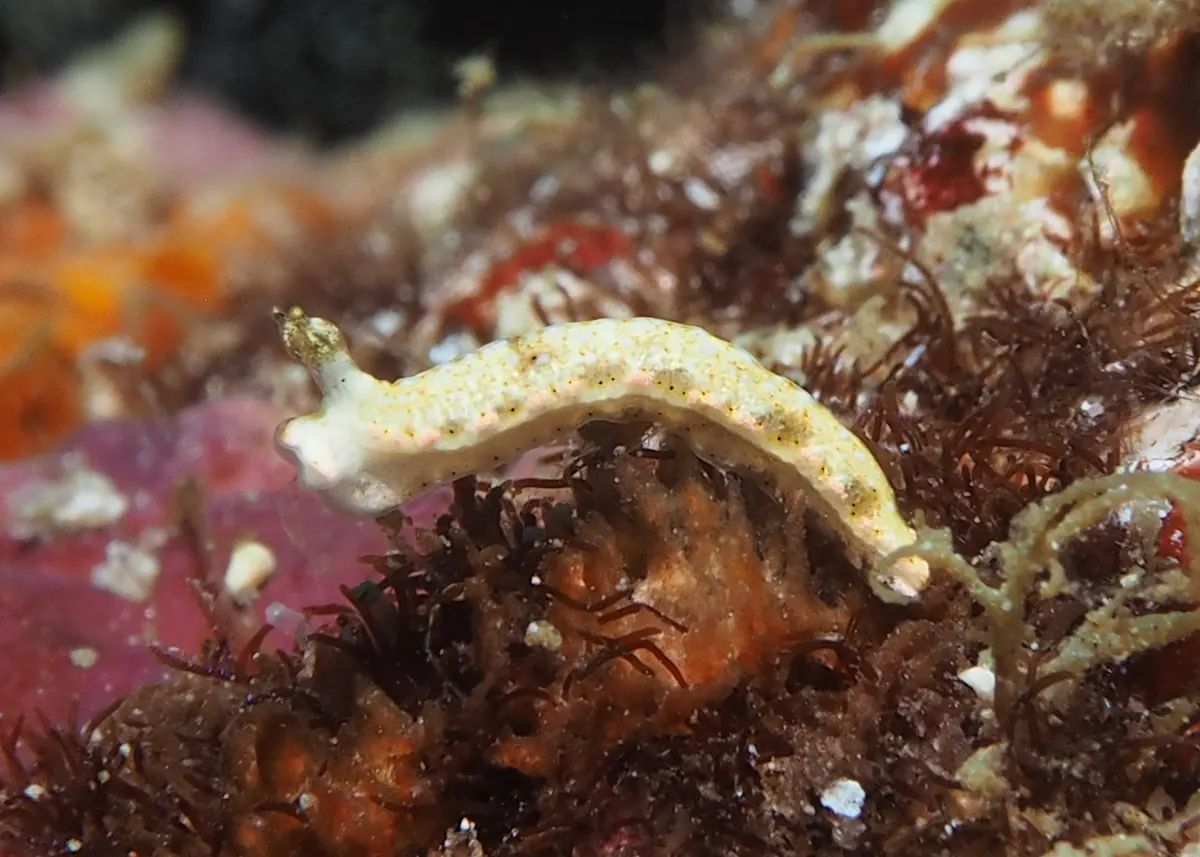
What do nudibranch gills do?
Nudibranch gills extract oxygen from seawater so the animal can respire. Depending on the group, this may be done through a dorsal plume, cerata, hidden gills or gas exchange across the body surface.
MacroDivers Academy
A practical guide to the breathing structures that help divers identify nudibranchs and other sea slugs.
Gills are one of the most useful features for identifying nudibranchs and other sea slugs. Some species carry a feathery plume on their back, others breathe through cerata, and some hide their gills beneath the mantle or rely on the body wall for gas exchange.
Understanding gill position and structure can help divers narrow down what they are looking at, especially when colour patterns are variable or confusing.
Gills are the structures sea slugs use to respire, extracting oxygen from seawater. Their shape, structure and position are among the most useful features for classification and identification. Gills are also vulnerable to predation and damage, which is why some species expose them clearly while others protect or hide them.
Look beyond colour: a feather-like plume at the rear, rows of cerata, or no obvious gill plume can immediately narrow the identification options.
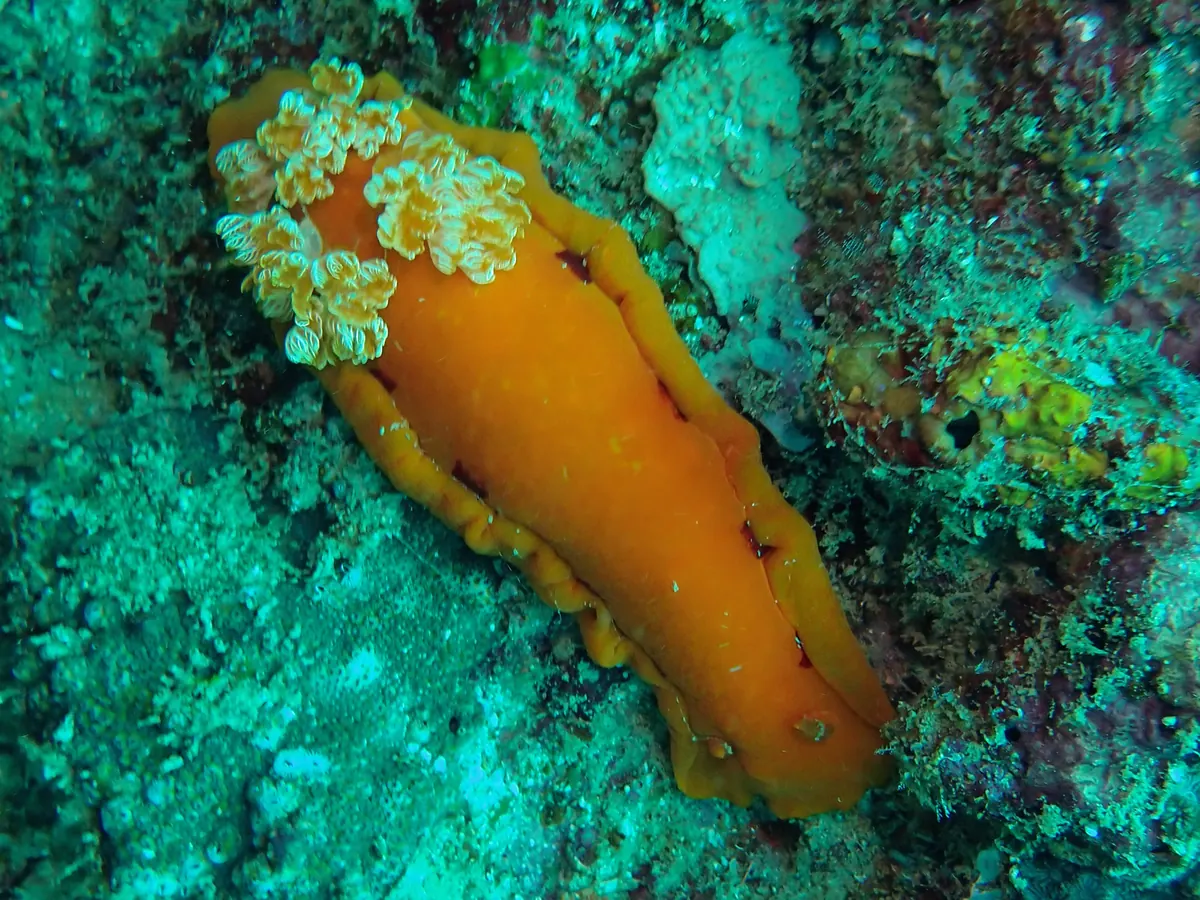
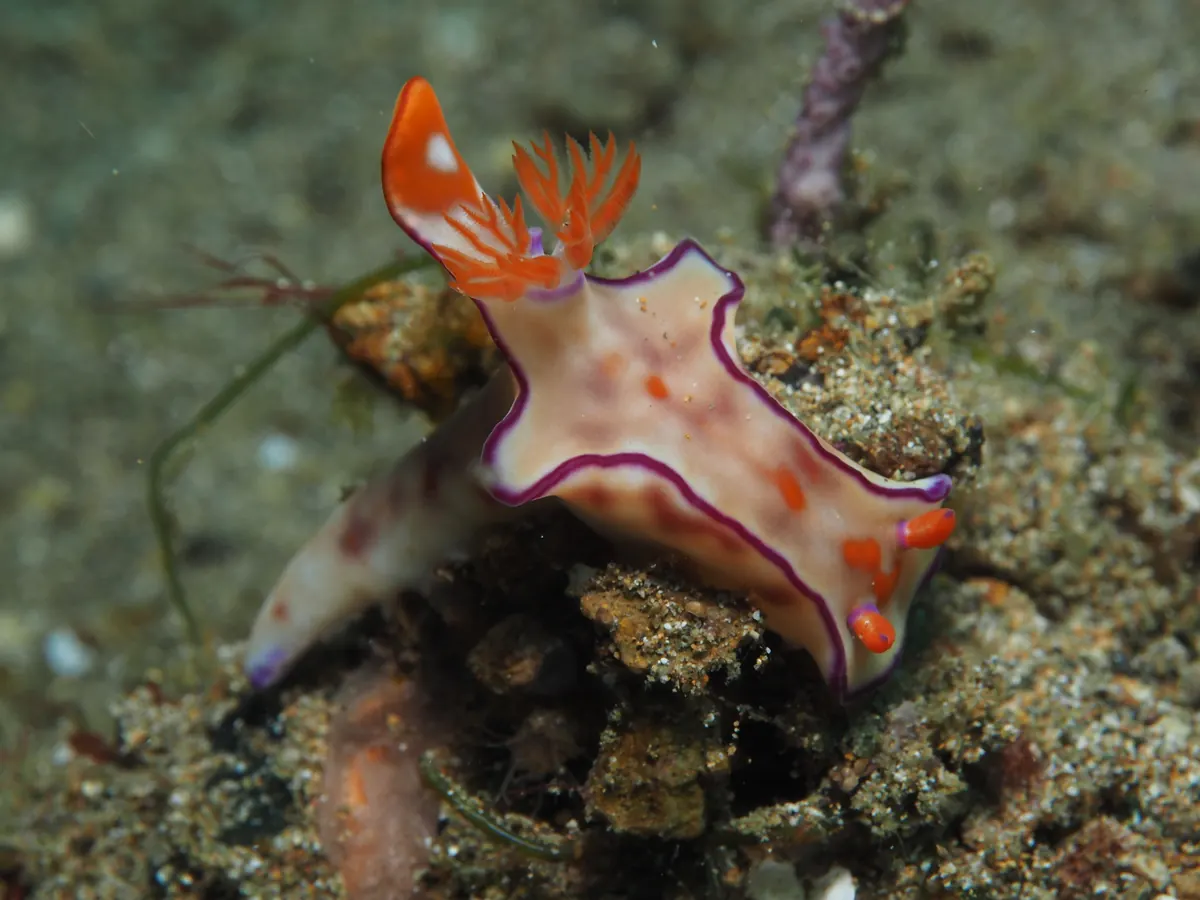
This is the classic nudibranch condition and the most familiar type for many divers. The gills form a feather-like plume exposed on the back of the slug, usually surrounding the anus. In some species the plume can retract into a pocket for protection, while in others it remains exposed. A few genera have appendages or body structures that help shield the gills.
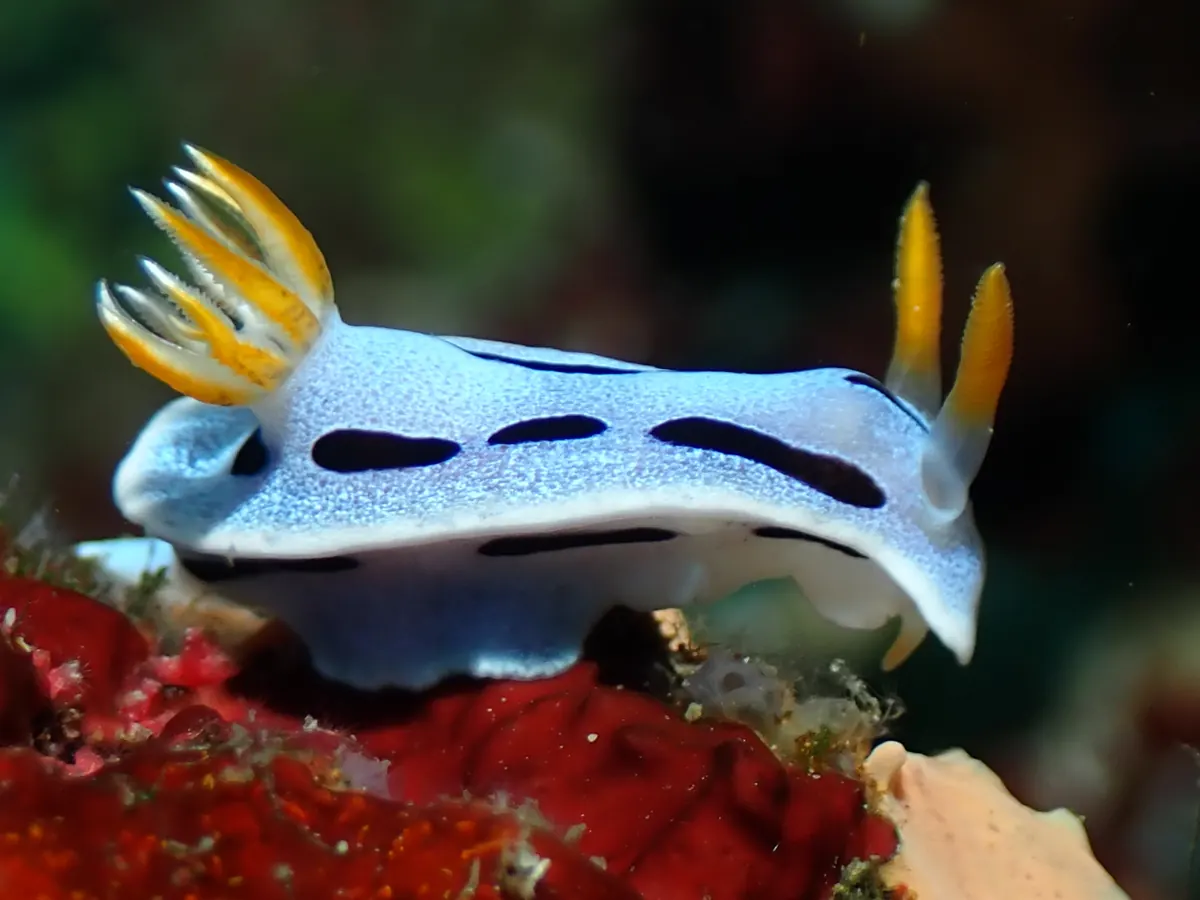
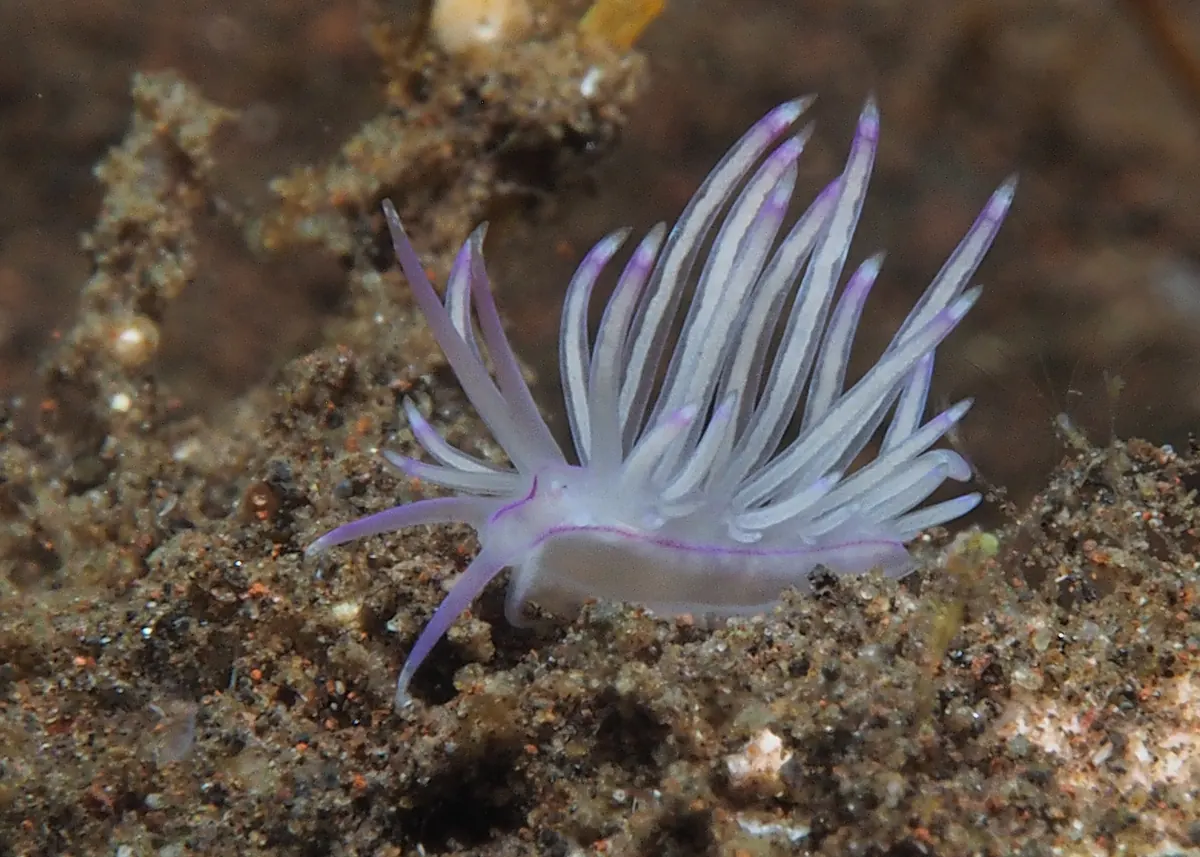
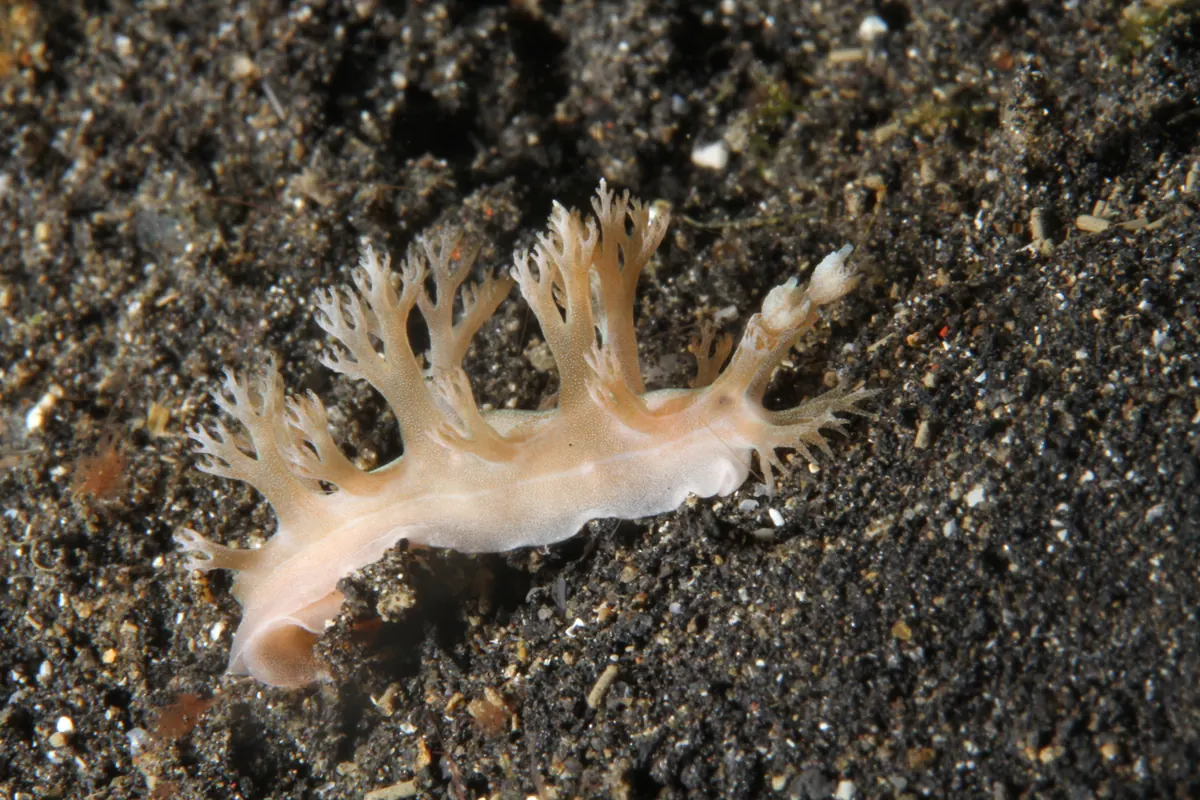
Cerata are not anatomically true gills, but they increase the slug's surface area and play a major role in respiration. They come in a wide range of forms including slender fingers, branches, leaf-like lobes and sac-like structures. In some species they also contain visible digestive tissue, defensive cells or symbiotic algae.
Important distinction: cerata are not true gills in the strict anatomical sense, but they are highly important for respiration and sea slug identification.
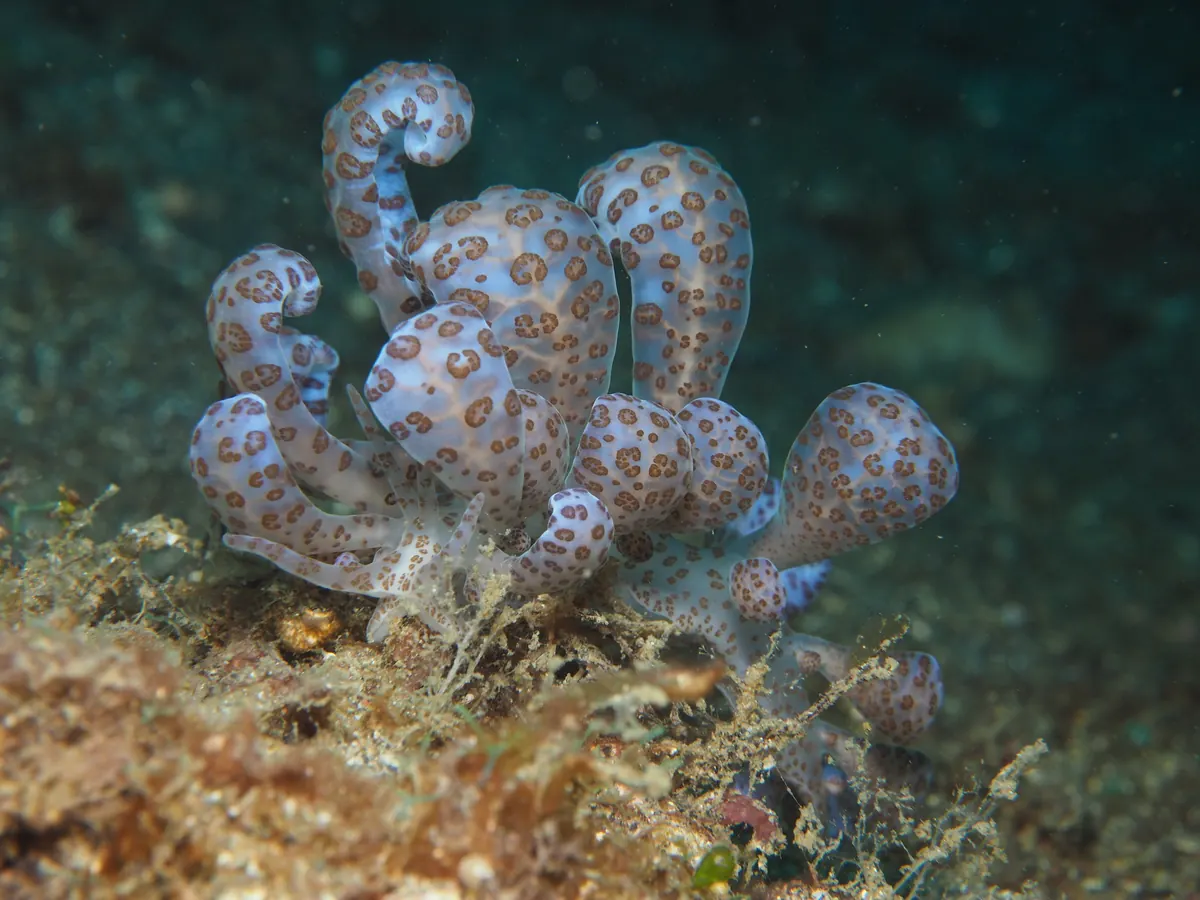
Nudibranch gills extract oxygen from seawater so the animal can respire. Depending on the group, this may be done through a dorsal plume, cerata, hidden gills or gas exchange across the body surface.
No. Some have obvious external gill plumes, some use cerata, and others hide their gills beneath the mantle or have greatly reduced specialised gill structures.
Not in the strict anatomical sense. Cerata are specialised appendages that increase surface area and often play an important role in respiration, but they are not the same as a classic external gill plume.
Gills are used for respiration, while rhinophores are sensory organs used mainly to detect chemicals in the water. Both are important for identification, but they perform different jobs.
Many dorid nudibranchs can retract their external gill plume into a pocket for protection, but not all species can do this.
Gill position and shape help narrow down major groups quickly. A feather-like plume, cerata or hidden gills often point you toward different families or styles of sea slug.
In some species the gills are concealed beneath the mantle, kept inside a mantle cavity, or replaced by other respiratory strategies such as gas exchange across the body wall.
Gill type is only one clue. Combine it with body shape, rhinophores, behaviour and food source to build a more reliable identification.